


Canadian Leader Prepares Nation for Enduring Trade Conflict
The Canadian government is currently engaged in what experts describe as a "punishing economic and political fight" with the United States. This struggle is characterized by intense pressure stemming from the Trump administration's tariff policies, creating a challenging environment for Canada. According to reporting from The Walrus, there is no clear or easy resolution in sight for the ongoing dispute, suggesting a protracted period of economic and political tension.
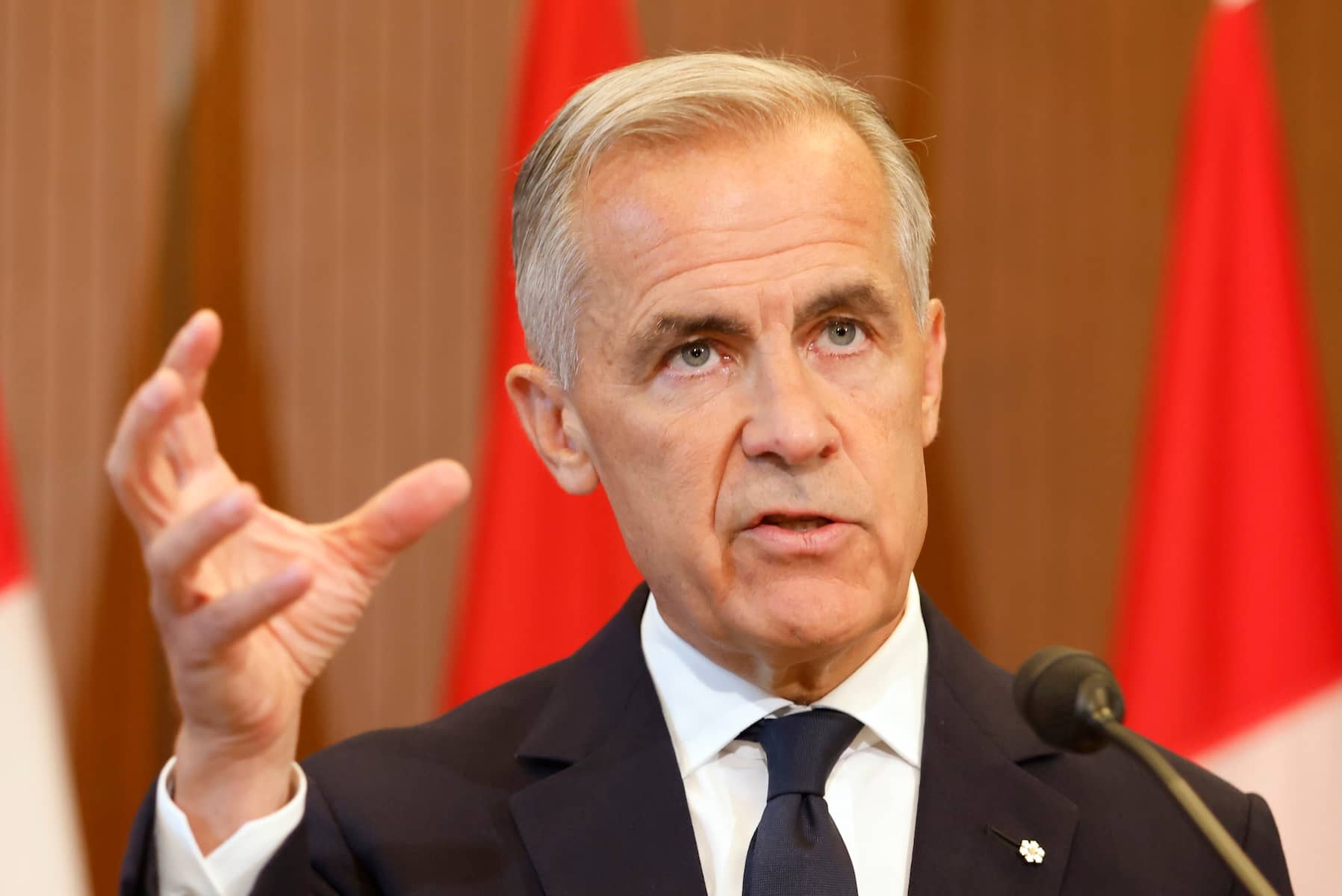
In a significant shift in public posture, Mark Carney, identified in the source material as the prime minister, has adopted a demeanor that observers have likened to wartime leadership. During a Saturday briefing, Carney appeared before the media with a "sombre mien," an observation made by one expert. This expert noted that Carney's appearance transcended that of a standard official discussing routine trade negotiations. Instead, he presented himself more like a leader preparing the nation for a "long ordeal" after a feared turn of events had arrived, signaling the gravity of the situation to both the public and international observers.
This description suggests a profound shift in the government's approach, moving from routine diplomatic engagement to a state of heightened national alert. The leadership's communication style underscores the seriousness with which Canada is treating the trade dispute, framing it as a challenge that demands national unity and resilience. This strategic framing aligns with the experts' collective assessment that the conflict is both economic and political, requiring a comprehensive and sustained response.
The immediate focus of the Canadian government's efforts is an intense, all-out campaign aimed specifically at preventing the imposition of new tariffs. These potential tariffs, as characterized by experts, are seen as "potentially crushing" to the Canadian economy, highlighting the high stakes involved in the ongoing diplomatic and economic maneuvers.
Experts Assess Canada's Path Amidst Tariff Pressures
Analyzing the Economic and Political Struggle
Seven specialists have provided critical insights into how Canada might navigate and survive the current trade war. Their collective assessment highlights the severe nature of the situation, noting that the country faces significant hurdles without a straightforward path to resolution. The experts' analysis underscores the complexity of the challenge, which is not merely economic but deeply political, involving intricate diplomatic relations and national interests.
The description of the situation as a "punishing economic and political fight" emphasizes the dual nature of the pressures Canada is enduring. Economically, the tariffs threaten key industries and supply chains, while politically, they test the long-standing relationship between two closely integrated nations. This dual challenge necessitates a multifaceted response that addresses both the immediate financial impacts and the broader geopolitical implications.
Strategies for Resilience and Survival
The core of the expert analysis centers on Canada's resilience and the development of survival strategies amidst the tariffs imposed by the Trump administration. The specialists did not offer predictions of immediate success or an easy resolution, but rather outlined the difficult landscape Canada must navigate. Their focus on resilience suggests a need for robust internal economic measures and diversified trade relationships to mitigate the impact of the tariffs.
These survival strategies are crucial given the immediate and unresolved threat of additional economic penalties. The ongoing, active efforts to halt further tariff implementations indicate that Canada remains in a precarious position, constantly working to avert escalation. The experts' insights provide a framework for understanding the scale of the challenge and the sustained effort required from Canadian leadership.
The reporting indicates that the Canadian leadership's response has been one of serious preparation for a protracted conflict. By framing the domestic address as a wartime-style announcement, the government has signaled the gravity of the trade dispute to the public. This approach aligns with the experts' view that the fight is both economic and political in nature, demanding a unified and enduring national response.
Preventing Further Economic Strain: The Diplomatic Push
High Stakes in Tariff Negotiations
The primary objective for Canadian officials at this stage is to stop the implementation of new tariffs. The source material describes these potential tariffs as "crushing," underscoring the exceptionally high stakes involved in the ongoing negotiations. The qualitative description of the threat, even without specific numerical values or dates for the tariffs, remains central to the expert assessment, highlighting the severe potential impact on the Canadian economy.
The absence of an "easy end" to the conflict, as noted by the sources, indicates that any resolution will likely require sustained effort over a considerable period. This perspective reinforces the idea of a "prolonged ordeal" for which the Canadian leadership is preparing the nation, requiring strategic endurance and adaptability in the face of persistent pressure.
Mobilizing Resources Against New Tariffs
The efforts to prevent these tariffs are described as "intense" and "all-out," suggesting a comprehensive mobilization of diplomatic, economic, and political resources. This includes extensive engagement with U.S. counterparts, advocacy through various channels, and potentially the exploration of alternative trade avenues to bolster Canada's economic position. The intensity of these efforts reflects the critical importance of averting further economic damage.
The article by Various Contributors, published on August 24, 2026, and updated on August 25, 2026, confirms that the situation remains active and dynamic. The Canadian Press contributed to the coverage, providing visual context through photography by Patrick Doyle, which notably captured Carney's somber demeanor during the briefing. This visual element further communicated the gravity of the situation to the Canadian public.
The experts' insights collectively serve as a robust framework for understanding the scale and complexity of the challenge facing Canada. By comparing the current leadership's posture to that of a wartime leader, the reporting emphasizes the profound seriousness with which Canada is treating the trade war, signaling a national commitment to navigating this difficult period.