

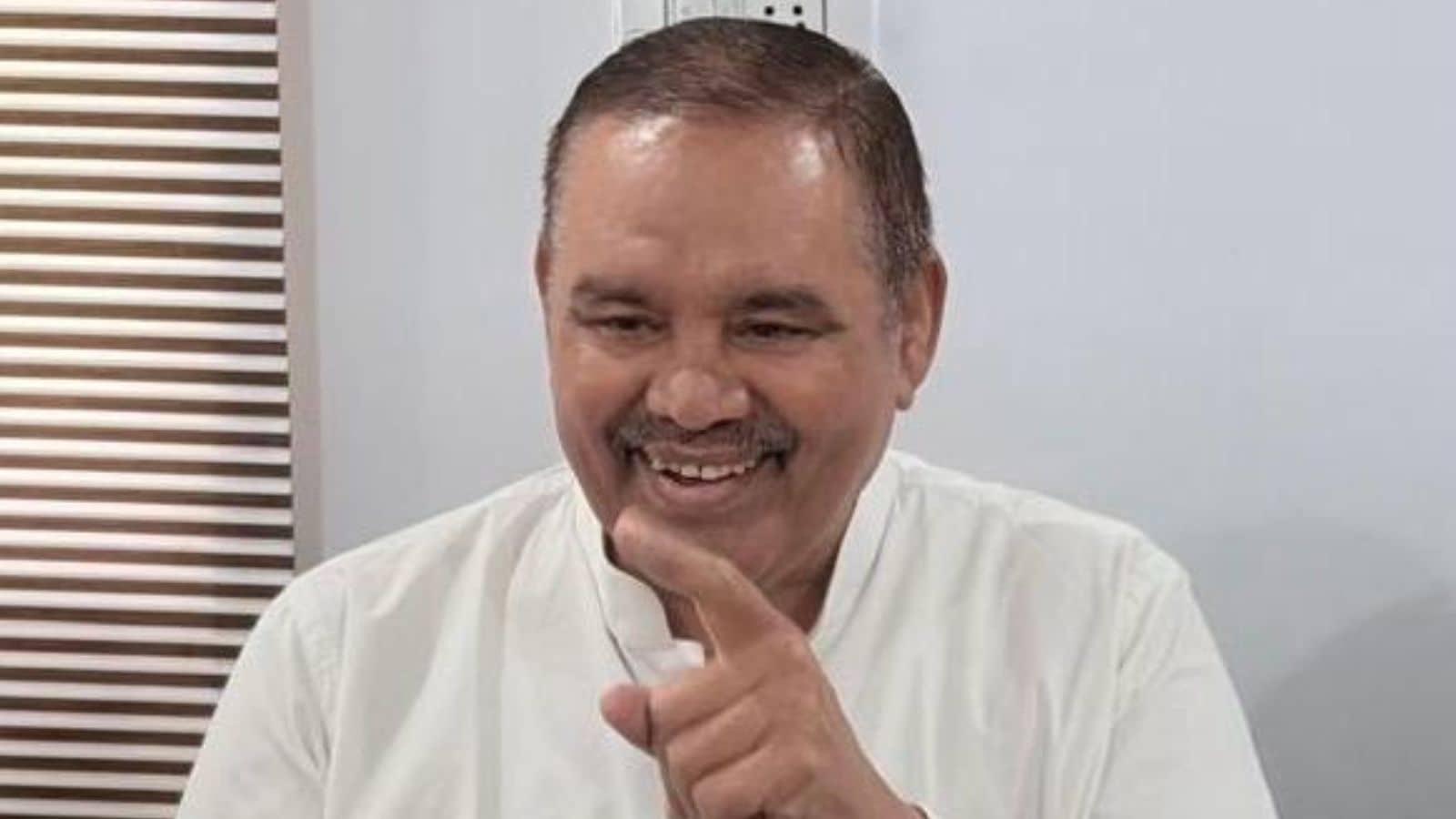

Official Summons Marks Extended Inquiry Timeline
A Special Investigation Team (SIT) in Punjab has issued a summons for former Union minister and senior Bharatiya Janata Party leader Vijay Sampla. The official directive states that this action represents another procedural step within the continuing probe into sacrilege cases reported to have occurred in 2015.
According to reports, the investigation team first summoned Mr. Sampla on June 20 of the current year. He was subsequently asked to appear before investigators at the Punjab Armed Police (PAP) complex located in Jalandhar by June 23.
The summons carries a stated purpose linked directly to the historical incidents from nearly a decade ago. The investigation focuses specifically on allegations surrounding temple entry and sacrilege that took place during 2015, which remains the primary official reason cited for bringing Mr. Sampla into custody of questioning.
Questions Regarding Timing and Selectivity
The timing of this summons has generated discussion regarding its significance beyond standard investigative procedure. Reports indicate that Mr. Sampla is being summoned nearly 11 years after the initial sacrilege incidents were reported in Punjab.
This delay coincides with a specific document allegedly submitted by Mr. Sampla or his representatives in 2018. The investigation team reportedly intends to question him over this memorandum, though details regarding its contents remain part of the ongoing inquiry process.
Allegations Concerning Procedural Transparency
Critics and observers have raised concerns about the transparency of the investigative process leading up to Mr. Sampla's appearance before the SIT. Reports state that there are allegations suggesting the Special Investigation Team has not provided Mr. Sampla with the specific document on which they intend to question him.
These claims emerged despite repeated requests made by representatives or associates associated with Mr. Sanpla for access to the relevant files and documents prior to his summons. The lack of such documentation before questioning remains a point of contention in reports covering this development.
Alliance Dynamics Complicate Political Narrative
The political context surrounding Vijay Sampla's summons involves complex historical dynamics regarding coalition governance in Punjab. At the time when the 2015 incidents occurred, and during subsequent years including the period around 2018, the Bharatiya Janata Party (BJP) maintained an alliance partnership with the Shiromani Akali Dal (SAD).
Reports highlight that representations made to state governors regarding temple entry issues were generally executed jointly by leaders from both parties. This cooperative stance contrasts sharply with the current situation where Mr. Sampla is reportedly being singled out for questioning.
Divergence From Joint Representation History
The summons has led to questions about why Vijay Sampla remains the only leader currently facing interrogation under this specific probe. When compared to historical records, such representations were typically joint efforts between BJP and SAD leadership during their alliance tenure.
According to available reports, no other leaders from either party have been summoned in a similar capacity for these same sacrilege cases involving temple entry issues since the incidents of 2015. This selective approach has prompted inquiries into whether Mr. Sampla's summons is based on unique evidence or procedural anomalies.
Political Implications of Selective Summons
The decision to summon only one leader from a former alliance partnership raises questions about the scope and intent behind the Special Investigation Team's actions. Reports suggest that this development could signal broader political arguments beyond mere procedural inconsistencies in an investigation into sacrilege cases.
Observers note that while the official reason remains tied to 2015 incidents, the manner of execution invites scrutiny regarding how investigations proceed when former coalition partners are involved. The disparity between joint historical representations and current individual summonses forms a central element of political discourse surrounding this case.
Potential Broader Implications for State Governance
The investigation into Vijay Sampla extends beyond the immediate scope of temple entry allegations, according to reports analyzing its broader impact on state politics. The timing and nature of the summons suggest that factors other than standard investigative timelines may be influencing the decision-making process.
Reports indicate that Mr. Sampla's role as a former Union minister adds another layer to his profile within this investigation. His previous positions in central government structures do not appear explicitly mentioned as grounds for summoning, but rather context surrounding his summons is being analyzed by political commentators and observers tracking the case developments.
Investigative Process Under Scrutiny
The Special Investigation Team operates under specific mandates to probe sacrilege cases in Punjab. While their official mandate focuses on incidents from 2015, reports indicate that procedural aspects of their investigation have come under review by external observers and political stakeholders.
Reports state that Mr. Sampla was asked to appear before the SIT at a designated location within Jalandhar. The Punjab Armed Police complex serves as the venue for these interrogations according to official directives issued prior to his summons on June 20.
Lack of Document Access Remains Central Issue
Central to reports covering this investigation is the allegation that Mr. Sampla was not provided with documents outlining specific charges or evidence before being summoned. This lack of pre-summons documentation stands in contrast to repeated requests made for such materials.
The SIT has maintained its position regarding the necessity of questioning without prior disclosure, though representatives have argued that access to relevant files would aid preparation and ensure fair proceedings during interrogations scheduled around June 23.