


The Emergence of Sodium-Ion Technology in Commercial Markets
For years, the electric vehicle industry has been dominated by lithium-ion batteries. However, a new contender is rapidly gaining momentum within the sector.
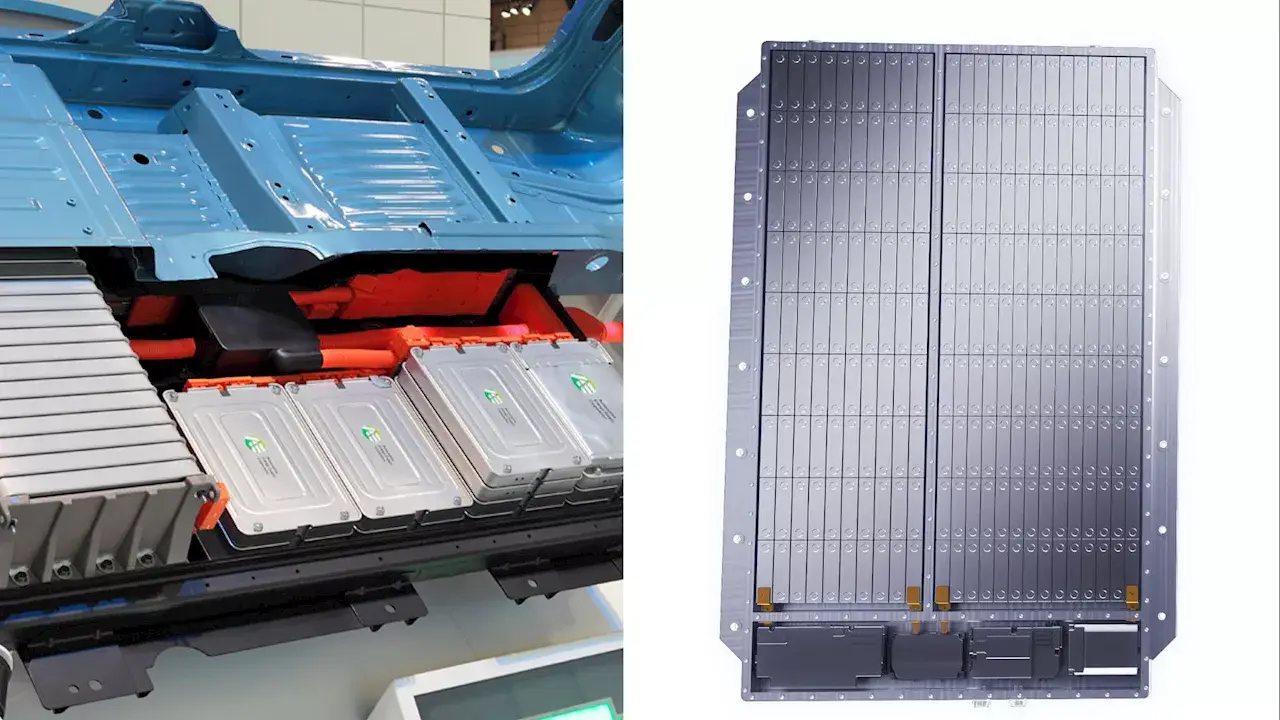
Sodium-ion batteries are now entering commercial production. This shift marks a transition from what was once considered merely a laboratory curiosity to a viable component of modern energy storage infrastructure.
Several automakers have begun exploring this technology for integration into future vehicle models. Concurrently, major industry players such as CATL are unveiling second-generation sodium-ion cells, signaling the maturation of the manufacturing process and an increase in available capacity.
Distinguishing Roles: Complementary Technology Rather Than a Total Replacement
Despite the growing interest and technical advancements, experts indicate that these batteries will not replace lithium-ion technology overnight. The prevailing assessment suggests they are unlikely to supplant lithium-ion batteries entirely in all applications.
Instead of acting as a direct successor, sodium-ion batteries could become an important complementary technology within the broader energy storage landscape. This distinction is critical for understanding how manufacturers plan their long-term supply chains and vehicle architectures.
The Case for Sodium-Ion Advantages
Sodium-ion batteries offer several compelling advantages that drive interest among industry stakeholders. These benefits include specific operational characteristics suited to certain use cases, such as stationary energy storage or lower-cost applications where extreme performance metrics are not the primary requirement.
Limitations Preventing Universal Adoption
The technology faces inherent limitations that restrict its ability to compete directly with established lithium-ion standards in every scenario. While sodium is more abundant and cheaper than lithium, factors such as energy density currently favor lithium-ion for long-range electric vehicles.
Industry Perspectives on Market Integration
The rapid gain of momentum by this new battery type has led to an obvious question regarding its market position: Could sodium-ion batteries replace lithium-ion batteries? The consensus emerging from current data points toward a hybrid future rather than a singular transition.
Manufacturing Progress and Second-Generation Cells
The unveiling of second-generation cells by companies like CATL highlights the iterative nature of battery development. Each generation aims to improve performance, reduce costs, or address specific weaknesses identified in previous iterations.
Strategic Implications for Energy Storage Shifts
The integration of sodium-ion batteries represents a significant step forward in diversifying energy storage options. By entering commercial production now, these technologies provide alternatives that can alleviate pressure on lithium supply chains.
Balancing Supply and Demand Dynamics
As automakers explore the technology for future vehicles, they must balance the cost benefits of sodium against the performance requirements demanded by consumers. This balancing act defines the strategic implications for the next decade of automotive engineering.
The Path Forward: A Hybrid Battery Ecosystem
The trajectory suggests a hybrid battery ecosystem where different technologies serve different purposes. Sodium-ion batteries may find their niche in applications requiring high cycle life and low cost, while lithium-ion retains dominance in performance-critical segments like long-distance transportation.
Future Exploration by Automakers
Several automakers are actively researching the deployment of sodium-ion cells. Their exploration phase involves rigorous testing to ensure reliability under various environmental conditions and usage patterns before mass implementation.
Evaluating Technical Specifications and Performance Metrics
Technical specifications play a pivotal role in determining which battery chemistry is suitable for specific applications. Sodium-ion batteries demonstrate distinct performance metrics that differ from their lithium counterparts, influencing decisions made by engineers at vehicle manufacturers worldwide.
The Role of Abundant Resources
Sodium is significantly more abundant than lithium globally. This resource availability offers a strategic advantage in terms of supply chain security and cost management over the long term. However, abundance alone does not dictate market success without corresponding performance improvements.