

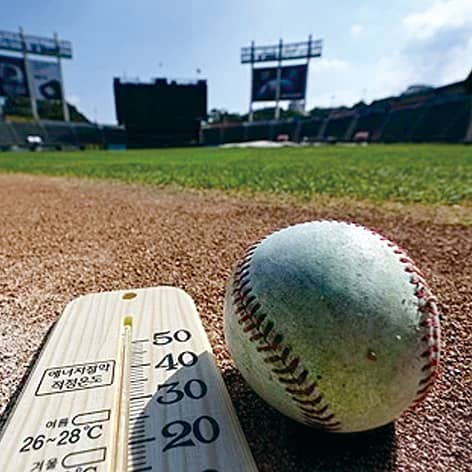

Koshien Tournament Opens Amidst Persistent Heat Concerns
The 108th National High School Baseball Championship, widely known as Koshien, commenced on August 5 in Japan. The tournament features 49 teams that advanced to the finals after competing against more than 3,370 teams across the country during regional qualifiers. The event is described as the "dream stage" for Japanese high school baseball, with outcomes at the competition having tangible effects on school admissions and student careers.
Organizers of the championship have faced ongoing scrutiny regarding the conditions under which student athletes compete. The tournament is held annually in August, a period that coincides with peak summer heat in Japan. This timing has historically resulted in frequent instances of players collapsing from exhaustion during games.
In response to persistent safety concerns, tournament organizers implemented a structural change to the schedule starting in 2024. The new format divides play into two sessions: one in the morning and another in the afternoon. This adjustment was designed specifically to avoid scheduling games during the hottest part of the day. Despite this mitigation measure, participants and observers continue to call for further changes, including modifications to the tournament schedule or a relocation of the venue to cooler environments.
South Korean Tournaments Face Backlash Over Facility Access
Similar controversies regarding extreme heat and athlete safety are occurring in South Korea. National high school tournaments in the country draw persistent criticism for requiring students to compete in hazardous weather conditions. The issue gained specific attention following a recent national high school baseball tournament held in Pohang, located in North Gyeongsang Province.
During this event in Pohang, games were scheduled and played during midday hours even as daytime temperatures reached 37 degrees Celsius. The decision to proceed with matches under these conditions drew significant criticism from observers and potentially affected parties regarding the safety protocols in place.
Criticism of Organizing Bodies
A specific point of contention in Pohang involved the availability of cooling infrastructure for the athletes. Organizers of the Pohang tournament faced backlash for failing to provide players with access to air-conditioned facilities and locker rooms. The lack of these amenities during extreme heat conditions was cited as a failure to protect student athletes from the physical demands of playing in high temperatures.
The situation in South Korea mirrors the long-standing debate surrounding Koshien. Both nations host prestigious national high school baseball championships that attract widespread attention due to their cultural significance and the intense competitive nature of the events. However, the intersection of these tournaments with peak summer weather has created a recurring conflict between tradition and athlete welfare.
In Japan, the call for schedule or venue changes continues among participants in Koshien, even after the introduction of the morning and afternoon session format. In South Korea, the criticism focuses heavily on the immediate lack of protective facilities during active competition days. These parallel developments highlight the challenges faced by sports organizers in East Asia as summer temperatures continue to rise during the peak season for high school athletics.