

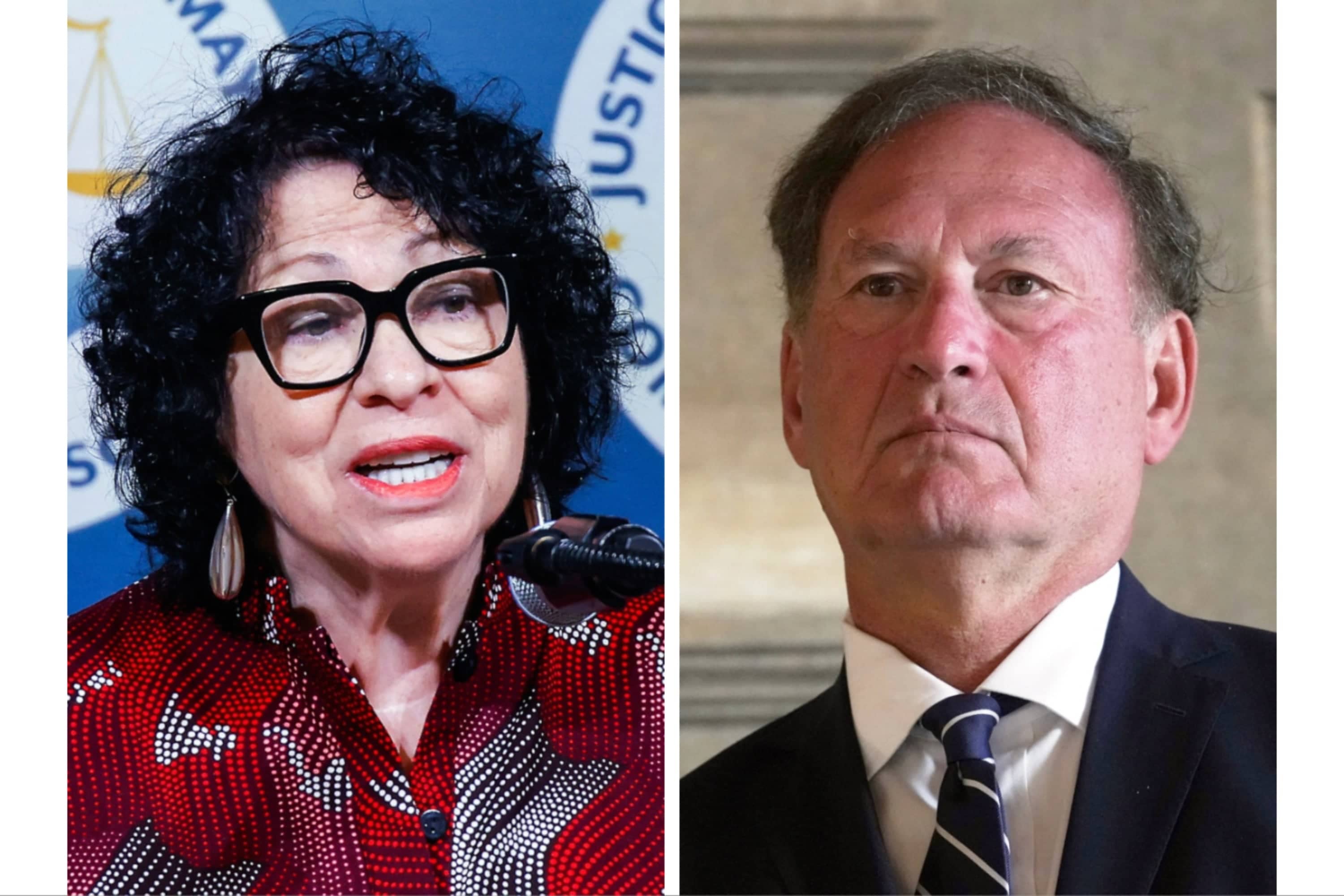

Visible Fractures Within the High Court
Disagreements between Supreme Court justices are increasingly surfacing in public view as the nation anticipates major rulings. The visibility of these internal conflicts marks a notable shift in how the court's deliberations and divisions are perceived by the public and legal observers.
The increasing transparency of these disputes coincides with a period of significant activity for the judiciary. As the court prepares to issue decisions on high-profile cases, the nature of the justices' interactions has drawn attention. The timing of these visible disagreements aligns with the looming schedule of important judicial determinations that are expected to impact national policy and legal standards.
Procedural Approvals in Election and Immigration Cases
In parallel with the observed internal dynamics, the Supreme Court has taken specific actions regarding pending litigation. The court has approved procedures for an election case, establishing the framework through which the matter will be heard. This procedural approval is a critical step in the lifecycle of the litigation, setting the stage for subsequent legal arguments and judicial review.
Simultaneously, the court issued rulings on two separate immigration matters involving former President Donald Trump. In both instances, the Supreme Court sided with Trump. These decisions represent significant developments in the ongoing legal challenges surrounding immigration policy and executive authority during his tenure and post-presidency. The alignment of the court's vote in these two distinct cases highlights specific judicial stances on issues central to the former president's legal portfolio.
International Judicial Developments
While domestic legal proceedings advance, judicial bodies abroad are also addressing electoral integrity through procedural mechanisms. In Armenia, the Constitutional Court unanimously approved procedural rules for hearing a consolidated election case. This approval was based on an application submitted to the court, signaling a formal move toward adjudicating the dispute.
The action by Armenia’s highest judicial body was reported by the Panarmenian Net. The unanimous nature of the decision in Yerevan contrasts with the reported public disagreements within the United States Supreme Court, illustrating different judicial approaches to electoral litigation in different jurisdictions.
Constraints on Source Verification
Information regarding these events is primarily derived from available reports and research notes. Specific details from certain U.S.-based news outlets are currently inaccessible. Sources including Boston 25 News, Action News Jax, and 960 The Ref are unavailable due to geographic access restrictions, categorized as Error 451.
These restrictions prevent the extraction of specific dates, direct quotes, or detailed content from those particular reports. Consequently, the available factual record relies on the confirmed actions of the Supreme Court and the Armenian Constitutional Court as documented in accessible sources. The inability to access these specific U.S. outlets does not alter the verified facts regarding the court's procedural approvals and rulings but limits the volume of descriptive detail available from those specific publishers.
Implications of Judicial Actions
The combination of visible internal disagreements and decisive rulings on election procedures and immigration cases suggests a complex period for the Supreme Court. The approval of election case procedures provides a pathway for legal resolution in that specific matter, while the siding with Trump on immigration issues establishes immediate precedents or outcomes for those particular disputes.
As major rulings loom, the public visibility of justice disagreements may influence perceptions of the court's unity and authority. The simultaneous progression of cases in both the United States and Armenia underscores the global relevance of electoral and constitutional legal frameworks. The unanimous approval in Armenia and the divided outcomes in U.S. immigration cases present contrasting judicial landscapes.
The Supreme Court's movement on these fronts occurs without additional commentary from the justices themselves in the available records. The focus remains on the procedural milestones achieved and the specific alignments in voting patterns, particularly regarding the former president's legal challenges. The ongoing visibility of disagreements among the justices continues to be a subject of observation as the court navigates its docket.