

FanzizFanziz
Politics

Tareq Saleh Retreats From Mocha As Houthis Take Over Key Red Sea Harbor

Houthi forces have seized the strategic port of Mocha, forcing General Tareq Saleh to withdraw. Conflicting reports regarding Saleh's whereabouts and the military implications of the loss are emerging.

By Neha JoshiPublished 3 Min Read
Tareq Saleh Retreats From Mocha As Houthis Take Over Key Red Sea Harbor
Advertisement

Full story

Strategic Port of Mocha Falls to Houthi Forces

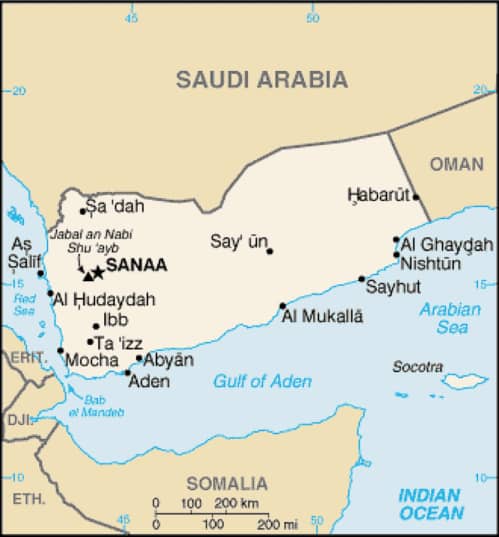
Yemen’s western front experienced a significant territorial shift after Houthi forces seized control of the strategic Red Sea port city of Mocha. The capture has compelled military units under the command of General Tareq Saleh to withdraw from the city and surrounding positions. The loss of Mocha is being characterized as a major reversal for Saudi-backed Yemeni forces and represents a notable alteration in the military balance along the Red Sea coast. Mocha has long held strategic importance due to its location on the Red Sea, making its capture by Houthi fighters a pivotal development in the ongoing conflict. The withdrawal of Saleh’s forces from the area marks a tangible change in control over key infrastructure and coastal access points in western Yemen.

Conflicting Reports on General Tareq Saleh’s Whereabouts

Following the Houthi advance on Mocha, General Tareq Saleh has become the focus of conflicting reports regarding his personal location and the nature of the military retreat. Saleh serves as the commander of Yemen’s National Resistance Forces and holds the position of deputy chairman of the Presidential Leadership Council. Reports from RT indicate that Saleh left Yemen by boat for Eritrea. However, this account has not been independently confirmed by other sources. The claim presents a narrative of personal flight rather than organized military movement. In contrast, reporting by Reuters describes a different scenario regarding the general’s actions. According to Reuters, Saleh ordered his forces to withdraw from threatened positions and establish an alternative command center in a safer location south of Mocha. This reporting characterizes the movement as a strategic military withdrawal and regrouping effort rather than a flight. The distinction between these two accounts is significant for understanding the operational status of the National Resistance Forces. Reuters’ reporting suggests that the retreat was a calculated tactical decision to preserve command structures and regroup forces, whereas the RT report implies a breakdown in command continuity leading to personal evacuation.

Implications for the Western Front

The fall of Mocha has immediate implications for the security dynamics on Yemen’s western front. The strategic port serves as a critical node for logistics and coastal defense. Its seizure by Houthi forces removes a key stronghold previously held or influenced by Saudi-backed elements. General Saleh’s dual role as military commander and political deputy chairman places him at the center of both tactical and political responses to the loss. The conflicting narratives about his whereabouts reflect broader uncertainties regarding the cohesion and command structure of the National Resistance Forces in the wake of the retreat. While some reports suggest a complete departure from Yemen, others indicate that the forces are repositioning south of Mocha. This regrouping effort, if accurate as reported by Reuters, suggests an attempt to maintain a defensive line further inland rather than a total collapse of military presence in the region. The situation remains fluid as verification of these conflicting reports continues. The strategic value of Mocha ensures that its control will remain a focal point for subsequent military operations and political maneuvering in western Yemen.