

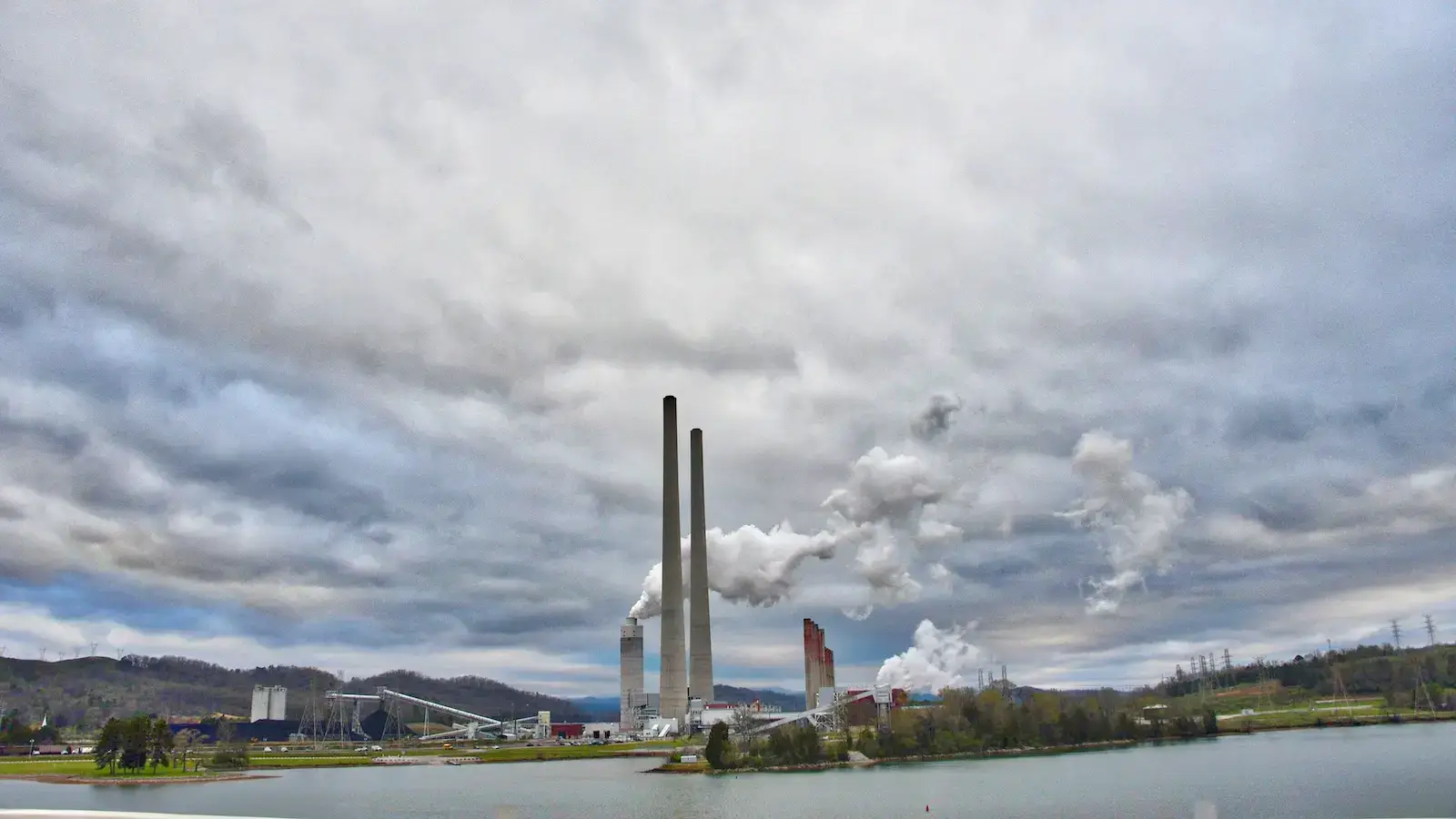

TVA Shifts Strategic Focus in Revised Energy Plan
The Tennessee Valley Authority (TVA), identified as the nation’s largest public utility, has revised its energy plan to significantly increase its reliance on coal, natural gas, and nuclear power generation. This strategic adjustment marks a distinct pivot away from previous priorities, involving a doubling down on fossil fuels and nuclear energy while reducing focus on solar and wind power.
The decision comes as the utility aligns its operational directives with guidance issued by the Trump administration. The revised plan reflects a broader administrative push to prioritize traditional energy sources within the region’s power grid infrastructure.
Long-Standing Plans for Rural Tennessee Facility
Central to this shift is the development of gas-fired electrical facilities in rural areas of Tennessee. For the past four years, Angie Mummaw has been informed about a planned gas-fired electrical facility in rural Tennessee. The inclusion of this project in the revised plan underscores the utility's continued commitment to natural gas infrastructure despite broader national debates regarding energy transitions.
The timeline for these developments indicates that planning for such facilities predates the current revision, suggesting a long-term strategy that is now being formalized under new administrative guidance. Mummaw’s awareness of the project over this four-year period highlights the prolonged nature of utility infrastructure planning in the region.
Alignment with Federal Directives
The Tennessee Valley Authority's move to prioritize coal, gas, and nuclear power follows specific directives from the Trump administration. This alignment suggests that federal policy is playing a direct role in shaping the energy mix of the nation’s largest public utility.
By shying away from solar and wind power, the TVA is effectively reducing its investment in renewable energy technologies in favor of established fossil fuel and nuclear methods. This decision has implications for the regional energy landscape, potentially affecting carbon emissions profiles and the stability of the power grid in the Tennessee Valley region.
Implications for Regional Energy Mix
The revised plan signals a clear preference for baseload power sources that are less dependent on weather conditions compared to solar and wind. Coal and nuclear power provide consistent generation capabilities, while natural gas offers flexibility in response to demand fluctuations. The reduced focus on renewables indicates a strategic choice to rely on these traditional sources for the foreseeable future.
As the largest public utility in the United States, the TVA's decisions often serve as a barometer for broader trends in public power management. The doubling down on coal, gas, and nuclear power represents a significant operational adjustment that will likely influence energy markets and policy discussions within the region and potentially nationwide.
Operational Details and Timeline
The specific details of the revised plan include an increased capacity for coal-fired generation, expanded natural gas infrastructure, and continued operation and maintenance of nuclear facilities. The utility has not provided a detailed timeline for the phase-out of renewable projects, but the reduced focus suggests that future investments will be directed elsewhere.
The announcement of this revised energy plan coincides with the publication date of July 10, 2026, marking a formal step in the implementation of these strategic changes. The utility's leadership has cited administrative directives as the primary driver for this shift, emphasizing compliance with federal policy goals.
Community Impact and Planning
The ongoing planning for gas-fired facilities in rural Tennessee remains a key component of this strategy. Angie Mummaw’s long-standing awareness of these plans indicates that local communities have been aware of the potential for increased natural gas infrastructure for several years. The formalization of these plans in the revised energy plan may lead to further development activities in these areas.
The TVA's decision to prioritize these energy sources will require continued investment in existing plants and potentially new construction projects. The utility’s role as a major employer and economic driver in the region means that these operational changes will have tangible effects on local economies and workforce requirements.