


Oil Benchmarks Climb Amid US-Iran Tensions
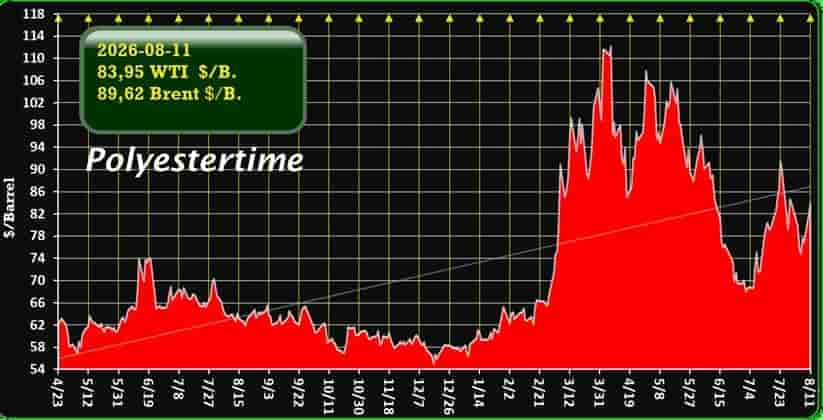
Global oil prices have experienced a significant surge, driven by escalating tensions between the United States and Iran, which has led traders to factor in an increased risk of supply disruptions, particularly through the critical Strait of Hormuz. As of August 11, 2026, the international benchmark Brent crude was trading at approximately $89 per barrel. Concurrently, West Texas Intermediate (WTI), the primary U.S. crude benchmark, hovered near $83 per barrel. These price points represent some of the highest valuations recorded for both benchmarks since the close of July, reflecting a market highly sensitive to geopolitical developments.
The latest upward movement in prices was not isolated, following a roughly 5% increase during the previous trading session, a detail reported by Polyestertime. The immediate catalyst for this pronounced shift in market sentiment was renewed uncertainty surrounding ongoing negotiations concerning the Strait of Hormuz. Specifically, discussions around compensation demands and the conditions necessary for a more durable cessation of hostilities between the two nations have stalled, contributing to market jitters.
Market analysts are emphasizing that the current pricing structure incorporates a substantial geopolitical premium. This premium is not merely a reflection of immediate physical shortages in oil supply but rather a proactive measure by traders to account for the potential for future disruptions. This dynamic has fostered a highly volatile trading environment, where prices can fluctuate rapidly in response to diplomatic breakthroughs, security incidents, or even rumors emanating from the region.
Diplomatic Impasse Fuels Energy Security Concerns
The persistent upward pressure on oil costs is largely attributable to the diminishing prospects for a swift and comprehensive settlement between Washington and Tehran. The market had previously held out hope for a diplomatic breakthrough that could alleviate tensions, and such a resolution would likely lead to a reduction in the geopolitical premium currently embedded in oil prices. However, the continued failure to reach a substantive agreement sustains, and in some cases exacerbates, market anxiety regarding global energy security.
Weakened hopes for a reliable reopening of the Strait of Hormuz under stable conditions are also a significant contributing factor to the current market sentiment. The immediate cause for the price movement was renewed uncertainty regarding negotiations over the Strait of Hormuz, specifically concerning compensation demands and the conditions for ending hostilities. The lack of clarity on these fronts directly impacts the perceived stability of a vital global trade artery.
Strait of Hormuz: A Critical Global Chokepoint
The Strait of Hormuz remains a central point of market volatility due to its unparalleled strategic importance in global energy transport. This narrow waterway, situated between the Persian Gulf and the Gulf of Oman, is a conduit for a substantial portion of the world's seaborne oil. Consequently, the market is meticulously monitoring the reliability of the strait’s operational status and the stability of shipping lanes within it.
Industry assessments indicate that any further attacks on shipping vessels or energy infrastructure in the region could trigger another sharp and significant increase in crude prices. Such incidents would not only directly threaten supply but also intensify the geopolitical risk premium, potentially leading to widespread market panic. The current price snapshot underscores the delicate balance between immediate supply risks and the possibility of recovering production capacity from various global sources.
While broader global demand factors and existing supply levels certainly play a role in the overall oil market, the dominant driver in this specific period of price action is unequivocally the risk premium associated with potential hostilities and their profound impact on critical maritime trade routes. The market is not merely reacting to current barrel counts but to the perceived probability of future supply interruptions.
Market Volatility and Future Price Trajectories
Oil prices continue to exhibit high volatility, with the quoted figures representing a transient moment within a rapidly evolving geopolitical landscape. The August 11 data points clearly indicate that market participants are actively reassessing the probability of a near-term agreement between the United States and Iran, with current sentiment leaning towards prolonged uncertainty.
The Associated Press reported that oil prices held near their recent highs as traders meticulously weighed the implications of stalled negotiations. The intricate interplay between ongoing diplomatic efforts and persistent security concerns continues to dictate price movements, and there is no clear consensus among analysts regarding the duration of these elevated price levels. Market observers consistently emphasize that prices are highly susceptible to change, contingent upon new developments in the underlying conflict or any progress made through diplomatic channels.
The market's sensitivity means that even minor shifts in rhetoric or perceived threats can lead to significant price swings. The current environment is characterized by a constant re-evaluation of risk, making long-term price predictions exceptionally challenging. The geopolitical premium, driven by the unresolved tensions and the vulnerability of key shipping routes, is expected to remain a dominant factor until a more stable and predictable resolution emerges from the diplomatic sphere.