


Decline in SNAP Qualifications Linked to Legislative Changes
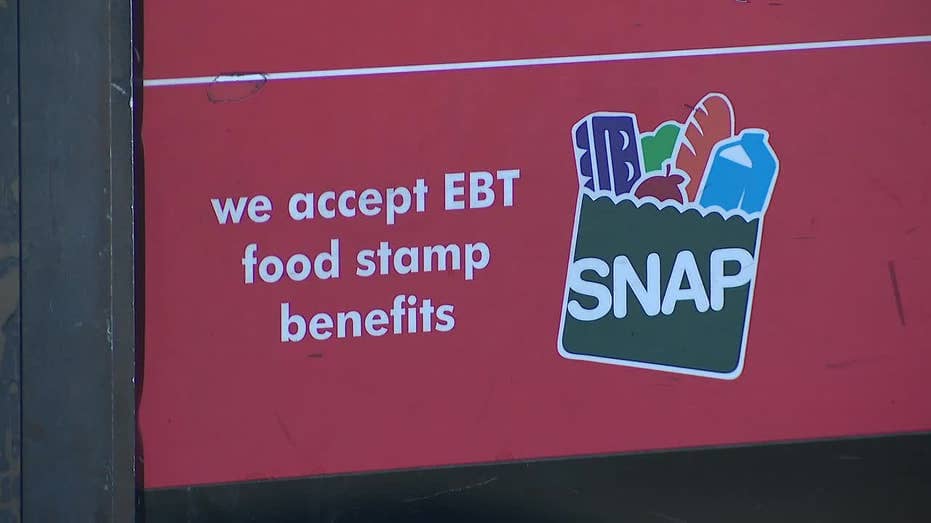
Fewer people in Texas qualify for Supplemental Nutrition Assistance Program (SNAP) benefits. This reduction is reported as putting additional pressure on local food banks and community pantries.
The decline involves more than half a million fewer Texans receiving the assistance, according to reports citing changes to work requirement rules that became law last year under HR-1. The legislation is known as the "One Big Beautiful Bill Act" and was passed by President Donald Trump.
Impact of New Work Requirements
Celia Cole, executive director of Feeding Texas—a network comprising 20 food banks across the state—explained that HR-1 created new work requirements for specific populations previously exempt from them. Previously, able-bodied adults were required to work to receive SNAP benefits, while seniors and parents with children were exempt.
Under the new rules established by Cole's account of the legislation:
- Adults aged 60 to 64 must now be working in order to qualify for benefits. Failure to meet these requirements results in being cut off from food assistance if an individual fails to work for more than three months.
- The same requirement applies to parents with children, who are no longer exempt under the new framework.
Cole stated that there is concern among Feeding Texas regarding whether adults aged 60 to 64 and parents with kids can meet these newly imposed requirements. The organization noted that those populations are struggling to comply with the mandates.
Increased Demand at Food Pantries
The shifting eligibility rules have resulted in more individuals turning to food pantries and community giveaways for assistance. An event held Friday morning at UNT Dallas served as an example of this increased demand.
Organizers at the UNT Dallas food giveaway reported a confirmed uptick in the number of people utilizing resources offered during such events. During the specific Friday morning distribution:
- A total of 22,000 pounds of food were distributed to attendees.
- Approximately 1,000 people received fresh and healthy food at the event.
Fiscal Implications for States
The HR-1 legislation also introduces a new financial requirement for states. For the first time under this act, states will be required to pay a portion of the SNAP supplement program based on the percentage of inaccurate payouts made by the state for various reasons.