


The article titled "The Islamabad Memorandum: Why Trump's Iran deal is unlikely to last" was published by The Sunday Guardian on June 21, 2026.
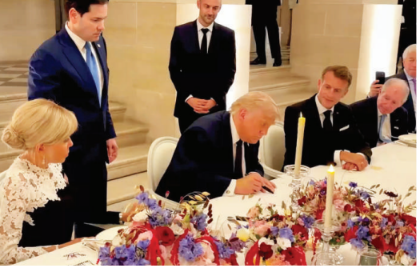
Donald Trump signed the Iran MoU at the Palace of Versailles according to reports from the source text.
The author states that the real test of the Islamabad Memorandum will not be the photographs, signatures, or press conferences. It will be what happens in the months following the agreement rather than these ceremonial elements.
History has a peculiar habit of repeating itself, according to the article. The source describes this repetition as "carefully choreographed diplomacy wrapped in grand declarations" rather than tragedy or farce.
The recently announced "Islamabad Memorandum" between the United States and Iran was brokered by Pakistan.
Some observers are hailing this agreement as a breakthrough in volatile geopolitical confrontations of the 21st century, though the article questions its viability if Israel believes it threatens national security.
The author asserts that any agreement between Washington and Tehran is unlikely to survive under those conditions "in all probability". The source text poses a fundamental question: can any agreement between Washington and Tehran survive if Israel believes it threatens its national security?