


Israeli Minister Warns Over Emerging Regional Axis
Amichai Chikli, Israel's Diaspora Affairs Minister, expressed concern regarding what he termed a "Türkiye-Qatar-Pakistan axis." Speaking on live radio this week, the minister described the grouping as worrying for Tel Aviv.
In his remarks to Israel's 103 FM station, Chikli characterized the emerging alliance as a "radical and extremely dangerous Sunni axis of evil."
US-Iran Framework Agreement Details
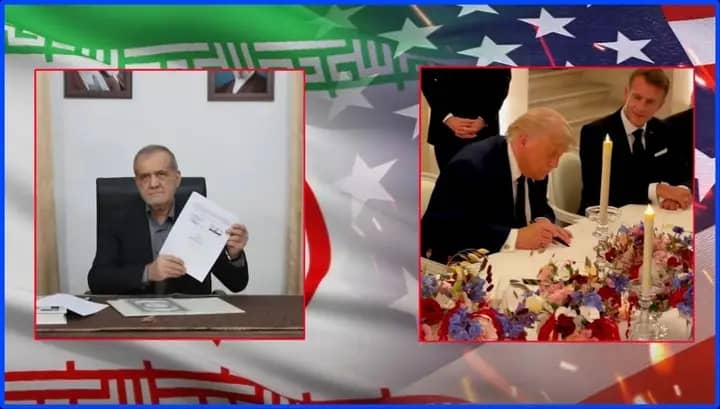
The alleged formation of this axis follows recent diplomatic developments involving Iran. A framework agreement between the United States and Iran is scheduled for formal signing in Switzerland on Friday, June 19, 2026.
This agreement followed a temporary truce announced earlier on April 8.
Roles Attributed to Regional Powers
Pakistan was widely credited as the principal mediator in the US-Iran agreement. Field Marshal Asim Munir of Pakistan's Army Chief maintained contacts with both Washington and Tehran during negotiations.
Qatar reportedly facilitated communication channels between the parties and hosted talks throughout the negotiation process.
Türkiye reportedly provided diplomatic support for a negotiated resolution to the conflict involving Iran.
Turkish President Recep Tayyip Erdogan welcomed the agreement, calling it "a very important step" towards ending the conflict.
Internal Israeli Criticism
Chikli's remarks came amid criticism within Israel regarding Prime Minister Benjamin Netanyahu. Opposition figures alleged that US President Donald Trump excluded Netanyahu from the US-Iran negotiations.
Prime Minister Benjamin Netanyahu reportedly conceded that Israel was not informed of the terms of the US-Iran deal.
Egypt, Pakistan, Saudi Arabia and Türkiye
A "new Middle Eastern quadrilateral" comprising Egypt, Pakistan, Saudi Arabia, and Türkiye is reportedly forming to counterbalance Israeli influence. These nations aim to address shared security concerns in light of the reported war between Israel and Iran.
Foreign ministers from Egypt, Pakistan, Saudi Arabia, and Türkiye held meetings in March and April 2026 to discuss these alignments.
Gulf Cooperation Council Tensions
The United Arab Emirates has reportedly deepened its security partnership with Israel. This development is said to have created tension with Saudi Arabia.Analysts view the reported war between the US, Israel and Iran in 2026 as a turning point that challenges assumptions about American primacy.
Israeli Government Responses
Besides Chikli's comments on radio, Israeli Finance Minister Bezalel Smotrich stated publicly that the US-Iran agreement is "bad for Israel and the entire free world."