


Ethiopia's Fragile Peace Under Renewed Strain
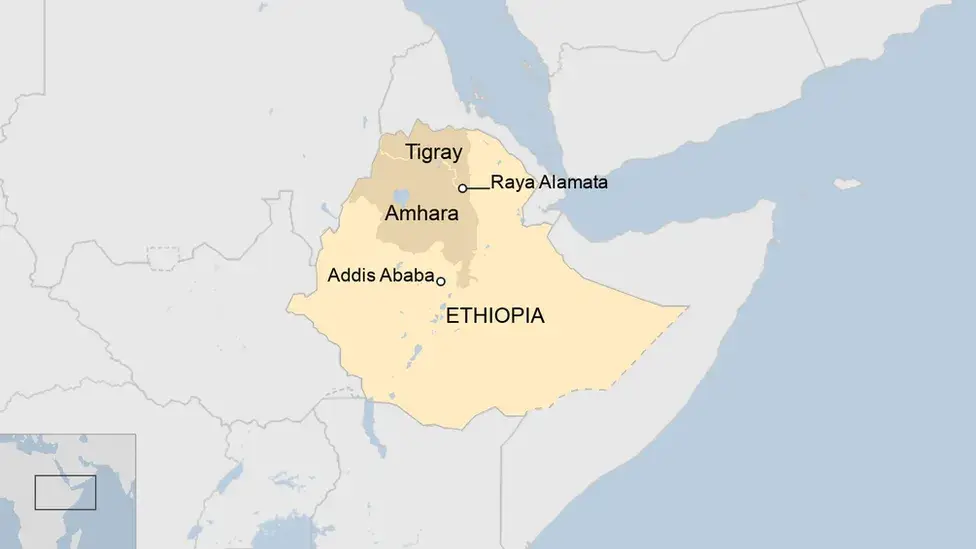
A new phase of instability is emerging in the Horn of Africa as relations between the Ethiopian federal government and the Tigray People’s Liberation Front (TPLF) deteriorate. According to reporting by Abdikarim H. Abdi Buh for WardheerNews, these renewed hostilities are raising fears of a major conflict in northern Ethiopia that could extend far beyond the Tigray region, potentially reshaping the security dynamics of the wider Horn of Africa.
The current deterioration follows the TPLF’s resurgence in political dominance within Tigray and the simultaneous weakening of the transitional administration that had been supported by the federal government in Addis Ababa. This significant shift in power dynamics has placed considerable strain on the political framework established by the 2022 Pretoria peace agreement, which was designed to bring an end to a devastating two-year war in the region.
The 2022 Pretoria Agreement Tested
The Pretoria peace agreement, signed in November 2022, was a landmark effort to quell the conflict that had ravaged Tigray. However, recent violence in western Tigray has further intensified concerns about its durability. Clashes in the area indicate that the peace deal is now facing its most serious challenges since its inception. This escalation suggests that the fragile understanding between federal forces and regional actors is under severe pressure, threatening to unravel the cease-fire terms and reignite widespread conflict.
The resurgence of the TPLF and the weakening of the federal government-backed administration are key developments straining the political understanding that underpinned the Pretoria agreement. These internal Ethiopian tensions are now seen as a critical factor that could lead to a new major conflict, with potential ramifications for regional stability.
Somalia's Security Landscape at Risk
The potential spillover of conflict from Ethiopia into neighboring countries has drawn specific and urgent attention from Somali officials and security analysts. The primary security concern for Somalia revolves critically around the status of Ethiopian troops currently deployed along their shared border and within Somalia itself.
If a new major conflict erupts in northern Ethiopia, Addis Ababa may be compelled to withdraw thousands of troops from its southern border and from within Somalia to reinforce its northern front. This possibility is no longer viewed as an abstract strategic concern but as a tangible and imminent risk that could profoundly reshape the security landscape of Somalia, creating significant vulnerabilities.
Potential Troop Withdrawal and Al-Shabaab Threat
The presence of Ethiopian forces has long been a critical stabilizing factor for the Somali federal government, particularly in its protracted counterinsurgency operations against the militant group Al-Shabaab. These forces have played a crucial role in maintaining security and supporting the Somali National Army in various regions. A sudden or substantial withdrawal would leave a significant security vacuum, potentially allowing armed groups like Al-Shabaab to regroup, consolidate their positions, and expand their operational capabilities across southern and central Somalia, reversing hard-won security gains.
The prospect of Ethiopia diverting its military resources internally highlights the interconnectedness of security challenges in the Horn of Africa. For Somalia, the potential loss of this external security support at a critical juncture in its fight against extremism represents a severe threat to its national stability and ongoing state-building efforts.
Deepening Regional Instability and Diplomatic Challenges
The crisis in Tigray highlights and deepens existing fault lines across the Horn of Africa. The resurgence of the TPLF directly challenges the authority of the federal government, which has historically relied on a complex web of regional alliances to maintain control and project its influence. As the central government’s grip potentially weakens in the north due to internal conflict, its ability to project power and maintain crucial diplomatic security pacts with neighbors like Somalia is significantly compromised.
Wider Implications for Horn of Africa Alliances
Analysts note that the political understanding created by the Pretoria agreement was intended to provide long-term stability not just for Ethiopia, but for the wider region. However, the recent clashes in western Tigray suggest that the agreement may not be sufficient to contain the growing rift between Addis Ababa and Tigrayan leadership. This instability could have ripple effects, influencing other regional dynamics and potentially encouraging other non-state actors or rival groups to exploit the shifting power balance.
Mogadishu's Search for Security Alternatives
The situation creates a complex and uncertain strategic environment for regional partners, especially Somalia. For Mogadishu, the question of Ethiopian troop deployment is particularly consequential, as the security architecture that has developed over the past decade relies heavily on the continued presence of Ethiopian forces in key areas, including Mogadishu and surrounding regions. Any disruption to this long-standing arrangement would necessitate immediate and difficult diplomatic and military adjustments by the Somali government.
The potential loss of Ethiopian support could force Mogadishu to urgently seek alternative security guarantees or significantly increase its reliance on African Union peacekeeping missions, such as ATMIS, which have faced their own set of logistical, funding, and political challenges. The timeline for these developments remains fluid and highly uncertain. As tensions between the federal government and the TPLF continue to escalate, the risk of a broader regional conflict increases, demanding close monitoring from the international community as the durability of the 2022 peace deal is tested by ongoing violence and political maneuvering in northern Ethiopia.