

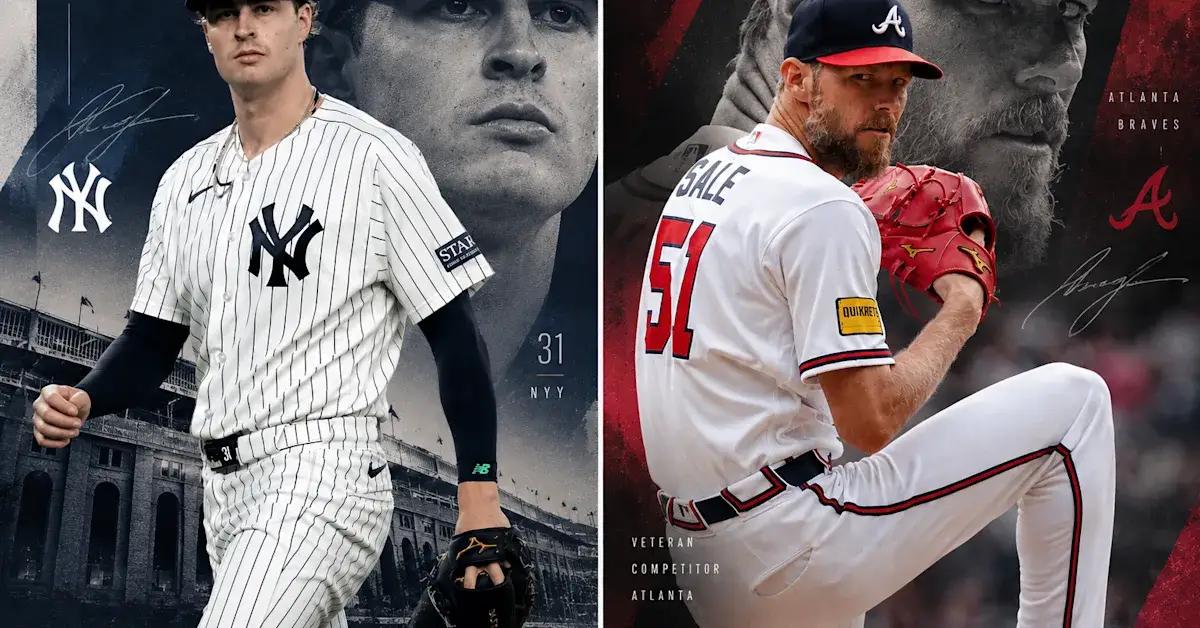

Leading Starters Define the 2026 Landscape
Cam Schlittler, Chris Sale, and Dylan Cease are highlighted as leading starting pitchers in Major League Baseball for the 2026 season. Their prominence underscores a significant shift in how elite pitching talent is valued across the league. A recent assessment of the sport's top arms specifically questions whether Tarik Skubal remains the number one pitcher, indicating a dynamic and competitive landscape at the top.
This evaluation of elite talent comes at a pivotal moment, as the perceived value of starting pitching appears to be undergoing a substantial resurgence. According to recent reporting, the league is witnessing an increase in both the quality and volume of top-tier starters. This current era is drawing comparisons to the early 2010s, a period widely remembered for its exceptional pitching talent, featuring stars like Clayton Kershaw, Justin Verlander, and Max Scherzer in their prime.
The previous decade had seen a trend towards devaluing traditional starters, with teams increasingly adopting strategies such as utilizing "openers" – relievers pitching the first inning – and restricting their best pitchers from facing batting orders three times in a game. This approach often limited a starter's innings pitched, emphasizing bullpen depth over individual ace dominance. However, the current landscape suggests a clear departure from this trend, with a renewed focus on durable, high-caliber starting pitchers who can consistently go deep into games.
Dodgers Bolster Rotation with Skubal Acquisition
Tarik Skubal was traded by the Detroit Tigers to the Los Angeles Dodgers before the trade deadline, a move that sent ripples across Major League Baseball. His availability on the market generated considerable interest, with Los Angeles widely anticipated as his ultimate destination, given their aggressive pursuit of top-tier talent.
The Dodgers acquired Skubal with a clear objective: to significantly strengthen their rotation as they pursue a historic third consecutive World Series title. This strategic acquisition directly addresses significant injury concerns that have impacted the team’s pitching depth throughout the season. Key players such as Shohei Ohtani, Tyler Glasnow, and Blake Snell have all missed substantial time, creating a pressing need for a reliable and dominant arm.
With Skubal's arrival, the Dodgers' rotation transforms into one of the most formidable in baseball. He joins Yoshinobu Yamamoto, who earned recognition as a 2025 postseason hero for his clutch performances. The group is further bolstered by the reported health of Tyler Glasnow and Blake Snell, both of whom are expected to be fully recovered and ready to contribute significantly at this crucial stage of the year. This concentration of talent provides the Dodgers with unparalleled depth and flexibility.
Strategic Implications for Postseason Play
The acquisition of Tarik Skubal underscores the Dodgers' consistent strategy to accumulate elite talent, particularly for the high-stakes environment of playoff contention. In postseason play, where every pitch and every out carries immense weight, having an abundance of high-quality starting pitching is considered not just beneficial, but absolutely essential for sustained success. Short series and intense competition demand pitchers who can deliver dominant outings and alleviate pressure on the bullpen.
By securing Skubal, Los Angeles added what was widely described as the best player available at the trade deadline. This addition perfectly complements the existing strength of Yamamoto and restores critical depth to a rotation that had been hampered by injuries to key arms like Snell and Glasnow. The ability to cycle through multiple elite starters ensures that the Dodgers can maintain fresh arms and optimal matchups throughout a demanding playoff run, significantly enhancing their chances of achieving their ambitious goal of a third consecutive championship.
Shifting Perceptions of Pitching Value
The current environment in Major League Baseball marks a significant departure from recent trends where starting pitchers were sometimes viewed as expendable assets or limited in their roles. For years, analytics-driven strategies often favored shorter outings for starters, relying heavily on specialized bullpen arms to navigate games. This approach, while sometimes effective, inadvertently diminished the perceived value of a traditional ace capable of pitching deep into games.
While casual fans might often gravitate towards the excitement of home runs and high-scoring affairs, experienced observers and baseball purists consistently recognize starting pitching as arguably the most critical component of Major League Baseball. A dominant starter can dictate the pace of a game, control the opposing lineup, and significantly reduce the workload and strain on a team's bullpen, creating a ripple effect that benefits the entire pitching staff over a long season.
This renaissance in starting pitching quality coincides perfectly with the anticipation surrounding the 2026 season. Pitchers like Skubal, Schlittler, Sale, and Cease are now at the forefront of a renewed emphasis on arm strength, durability, and the ability to consistently deliver deep, impactful outings. The comparison to the early 2010s highlights not only the rarity but also the premium value now placed on elite starters in the contemporary baseball market, signaling a return to an appreciation for the foundational role of the starting pitcher.