


Asset Prices Surge Amid Treasury Market Interventions
Treasury Secretary Scott Bessent recently implemented measures in the bond market that triggered substantial price increases for gold and Bitcoin. The movements have positioned holders of these scarce assets as primary beneficiaries of the current financial landscape, according to market analysis. This surge underscores a critical shift in investor sentiment, moving away from traditional government-backed securities towards assets perceived as having inherent value and limited supply.
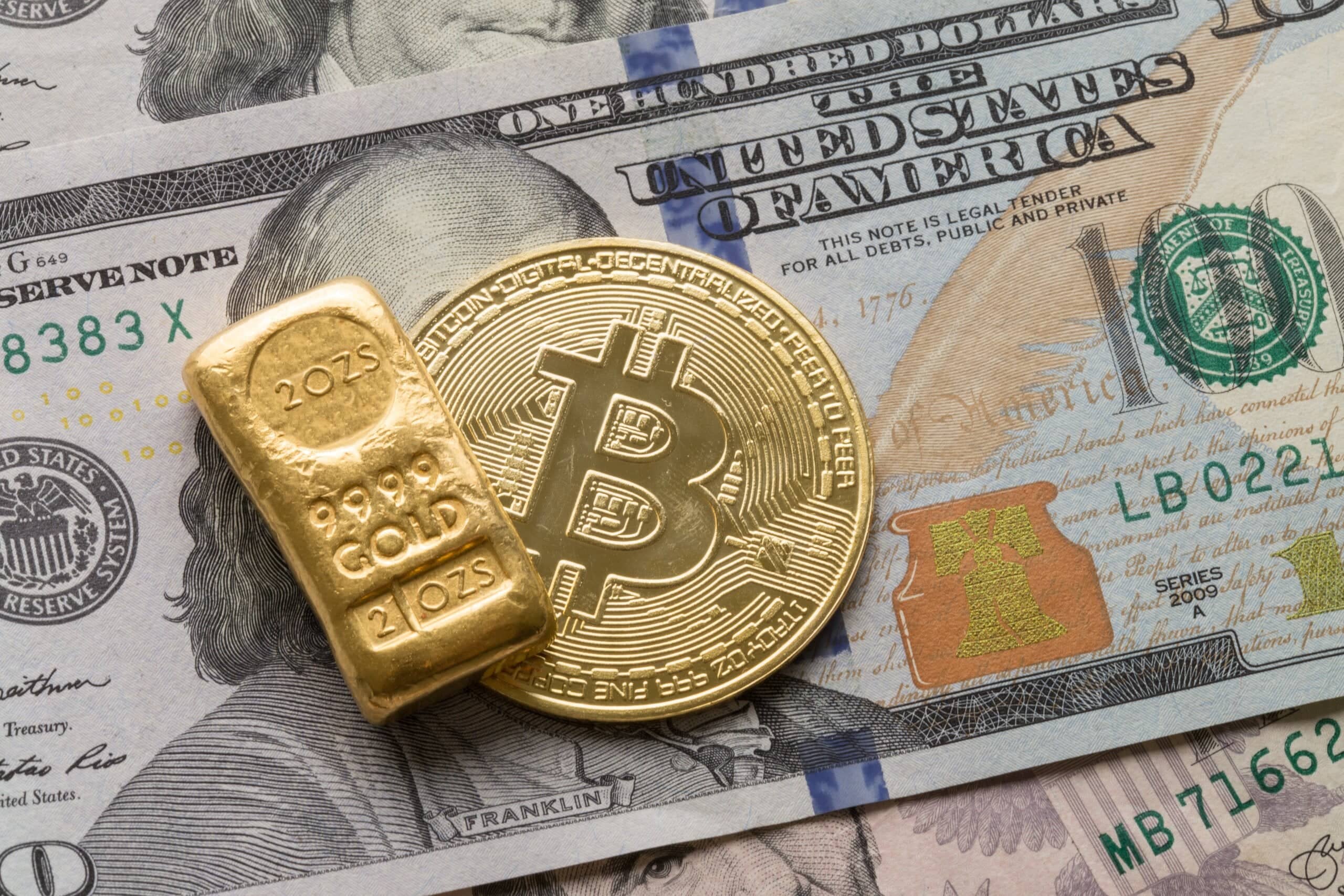
Gold prices increased by 7% to reach $4,730 per ounce, reflecting renewed confidence in the precious metal as a store of value. In a parallel and even more dramatic move, Bitcoin prices jumped 24% to approach $80,000 since the announcement of the Treasury's actions. These simultaneous gains indicate a broad shift in investor demand toward assets with limited supply that operate outside the traditional Treasury system, signaling a potential re-evaluation of risk and value in the global financial markets.
Investors who positioned themselves early in gold and Bitcoin are reportedly experiencing substantial gains. The rapid appreciation of these assets highlights their growing role as alternatives to government-backed securities, particularly during periods marked by significant policy interventions and market volatility. This trend suggests a growing desire among investors for assets that are less susceptible to the direct influence of central bank policies and sovereign debt dynamics.
Gold and Bitcoin: A Flight to Scarcity
The appeal of gold and Bitcoin in the current climate stems from their fundamental characteristic of scarcity. Gold, with its finite geological supply, has historically served as a hedge against inflation and currency debasement. Bitcoin, often referred to as 'digital gold,' offers a similar promise through its programmatically capped supply of 21 million coins, making it immune to inflationary monetary policies.
This inherent scarcity contrasts sharply with the potentially unlimited issuance of fiat currencies and government bonds. As the Treasury Department takes actions that influence the supply and demand dynamics of its own debt, investors appear to be seeking refuge in assets whose supply characteristics are immutable or at least outside the direct control of governmental bodies. This flight to scarcity represents a vote of no confidence in the long-term stability or yield potential of traditional financial instruments under certain policy conditions.
Treasury Policy Shifts Impact Bond Market
The catalyst for this significant market shift was a series of strategic moves by the Treasury Department under Secretary Bessent. These actions directly impacted the supply and demand equilibrium within the bond market, prompting investors to reconsider their asset allocations.
Secretary Bessent doubled the Treasury's bond buyback program to $4 billion. Bond buybacks involve the Treasury repurchasing its own outstanding debt from the market. While often used to improve market liquidity or manage debt maturity profiles, an increased buyback program can signal a desire to influence market rates or reduce the effective supply of bonds, potentially impacting their yields. This move injects liquidity into the market and can be interpreted by some as an attempt to manage the upward pressure on interest rates.
Additionally, there are strong indications that the government may tap $950 billion from the Treasury General Account (TGA). The TGA is the U.S. government's checking account at the Federal Reserve. Accessing these funds would provide the Treasury with a substantial cash infusion, potentially reducing its immediate need to issue new debt. Such a move could further alter the supply dynamics within the bond market, impacting both the availability and pricing of Treasury securities.
Anticipated Yield Caps Fuel Alternative Asset Demand
Market participants are now anticipating that policymakers may intervene to cap rising Treasury yields on demand. This expectation creates a paradoxical effect on asset valuation across the financial spectrum. While capping yields might be intended to stabilize government borrowing costs and prevent an uncontrolled rise in interest rates, it simultaneously diminishes the attractiveness of holding Treasury bonds for investors seeking yield.
When yields are artificially suppressed or capped, the real return on investment for traditional fixed-income instruments can become less appealing, especially in an environment where inflation is a concern. This perceived limitation on yield growth for Treasuries has significantly strengthened the case for owning scarce assets like gold and Bitcoin. Investors are increasingly viewing these assets as essential hedges against potential policy interventions that could diminish the relative attractiveness and purchasing power of traditional fixed-income instruments and the dollar itself. The expectation of yield caps thus acts as a powerful incentive for capital to flow into non-yielding, scarce assets that are perceived to be outside the direct manipulation of monetary policy.
Investor Gains Signal Broader Asset Allocation Trends
The substantial gains reported by investors who strategically positioned themselves early in gold and Bitcoin underscore a broader, evolving trend in asset allocation. This shift reflects a growing skepticism among certain segments of the investment community regarding the long-term stability and value proposition of traditional government-backed assets, particularly in the face of aggressive fiscal and monetary policies.
The current environment, characterized by significant Treasury interventions and the potential for yield caps, appears to be accelerating this re-evaluation. Investors are increasingly prioritizing assets that offer a perceived hedge against systemic risks, inflation, and policy-driven market distortions. The performance of gold and Bitcoin in response to these Treasury actions suggests a deepening conviction that scarce, decentralized, or historically resilient assets offer a more secure store of wealth than instruments directly tied to the traditional dollar and Treasury system.