


Directive for New Signage Near National Museum
President Donald Trump has ordered the installation of warning signs near the Smithsonian Institution’s United States history museum. The directive, which was reported by Fox Local politics reporter Nick Viviani on July 25, 2026, mandates that the new signage serve as a caution to visitors regarding the content displayed within the world-famous institution.
According to the order, the signs are intended to tell people not to believe everything they see in the museum. The text of the directive explicitly instructs passers-by to approach the exhibits with skepticism, effectively challenging the curatorial authority of the Smithsonian for the first time through such a direct administrative intervention.
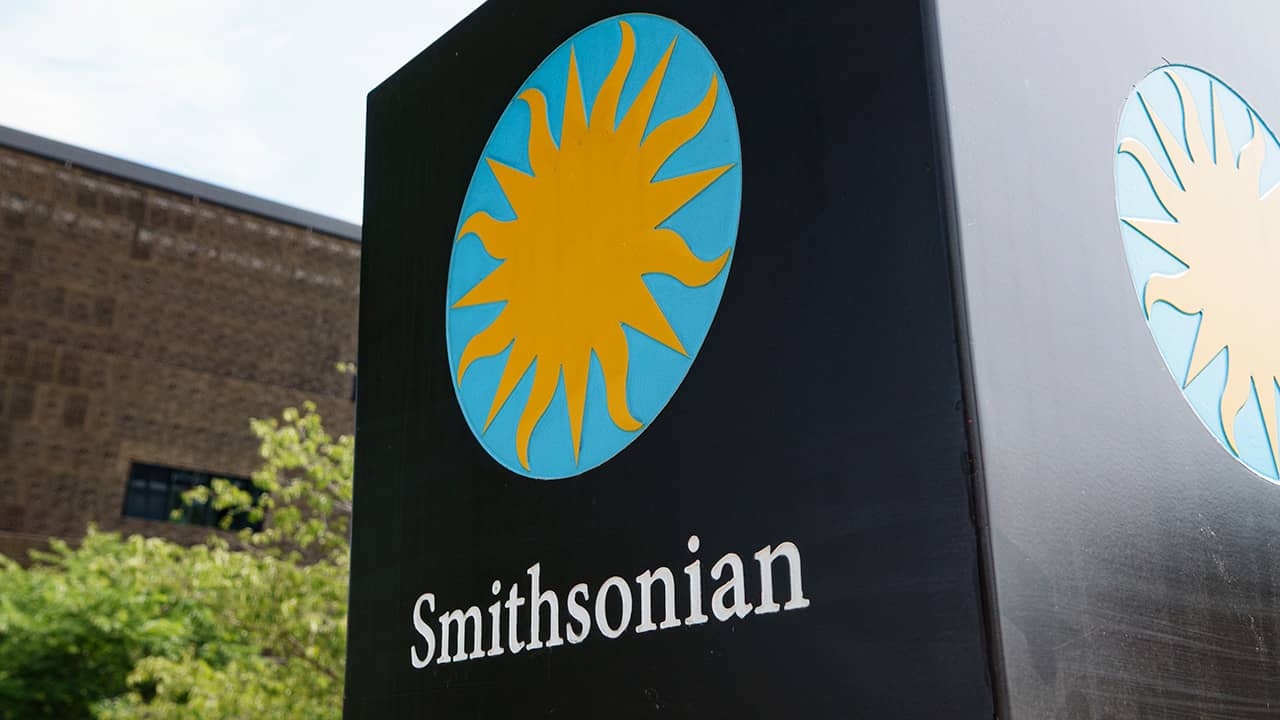
The installation is situated near the National Museum of African American History and Culture, where a photo by Kevin Carter showed a Smithsonian sign on July 10, 2026, in Washington, DC. The new signs will appear in close proximity to this existing infrastructure, altering the visitor experience at one of the nation's most prominent historical sites.
Mandated Content and Administrative Criticism
The Trump administration’s order specifies that the signage must highlight a recent report critical of the Smithsonian leadership. This report serves as the foundational justification for the warning signs, linking the museum's current exhibits to alleged failures or biases in its management.
By requiring the signs to reference this specific critique, the directive ties the physical location of the museum directly to the political narrative being promoted by the White House. The signage is not merely a general warning but a targeted message that references official government documentation regarding the institution's leadership.
Redirecting Visitors to Alternative Historical Narratives
Beyond the warning, the directive includes instructions for visitors to seek out alternative sources of historical information. The signs will direct passers-by to specific websites and locations that recount history from the perspective of the Trump administration.
This component of the order aims to guide public perception by providing a curated list of resources that align with the White House's approved historical narrative. The goal is to ensure that visitors who are skeptical of the museum's exhibits are immediately provided with an alternative viewpoint that supports the administration's interpretation of American history.
Implementation and Timeline
The announcement of this directive was made on July 25, 2026. While the order has been issued, the timeline for the physical installation of the signs remains subject to administrative processing. The directive requires the Smithsonian to comply with the new signage requirements, which represent a significant shift in how the federal government interacts with its cultural institutions.
Observers note that this move is part of a broader strategy to influence public understanding of history through direct government intervention. By placing these signs at the entrance or near the facilities, the administration ensures that the warning and the alternative narrative are encountered before visitors engage deeply with the museum's permanent collections.
Implications for Museum Autonomy
The order raises questions about the operational autonomy of the Smithsonian Institution. As a trust instrumentality of the United States, the Smithsonian has historically maintained a degree of independence in its curatorial decisions. The new directive challenges this tradition by imposing specific messaging requirements on its facilities.
Supporters of the move argue that it provides necessary balance to what they view as biased historical accounts. Critics, however, may view the signs as an attempt to politicize a neutral educational space. Regardless of the debate, the directive is now in effect, and the signs will soon be visible to the public.
The installation marks a distinct moment in the relationship between the executive branch and the nation's primary historical repository. By mandating that visitors question the exhibits and seek out White House-approved history, the administration has formally integrated political messaging into the physical landscape of Washington, DC's museum district.