


Ankara Aligns With US Strategic Shifts in the Middle East
As the United States undertakes a comprehensive redesign of its strategic posture in the Middle East, Turkey’s capital, Ankara, is preparing to assume new roles within this altered geopolitical framework. According to reports from BirGün Daily, the Trump administration has assigned specific missions to the Turkish government, which is described as eager to accept these assignments in exchange for external support.
The ruling Justice and Development Party (AKP) is reportedly seeking to secure legitimacy that it claims to have lost domestically by aligning with what analysts describe as imperialist powers. This strategic pivot comes amid a broader reconfiguration of alliances and responsibilities across the region, with Turkey positioning itself to play a central role in the new order.
Foreign policy experts point out that there is a clear desire within this framework to transform Turkey into a Middle Eastern regime that is exempt from criticism regarding human rights and democracy. This transformation is viewed as a necessary condition for Ankara to fully integrate into the new US-led regional structure without facing international scrutiny on internal governance issues.
Domestic Legitimacy and External Support
The driving force behind this realignment appears to be the AKP’s need to regain domestic legitimacy. By securing support from external powers, particularly the United States, the ruling party aims to bolster its standing at home. The willingness to accept roles assigned by "imperialists" suggests a pragmatic approach to foreign policy, prioritizing political survival and stability over traditional ideological stances.
Recent developments have underscored this shift in Turkey’s diplomatic posture. Remarks made by US Ambassador Tom Barrack have been cited as indicators of the deepening cooperation between Washington and Ankara. These statements reflect a mutual interest in stabilizing the region through new partnerships and shared responsibilities.
The Mecca Agreement and Regional Implications
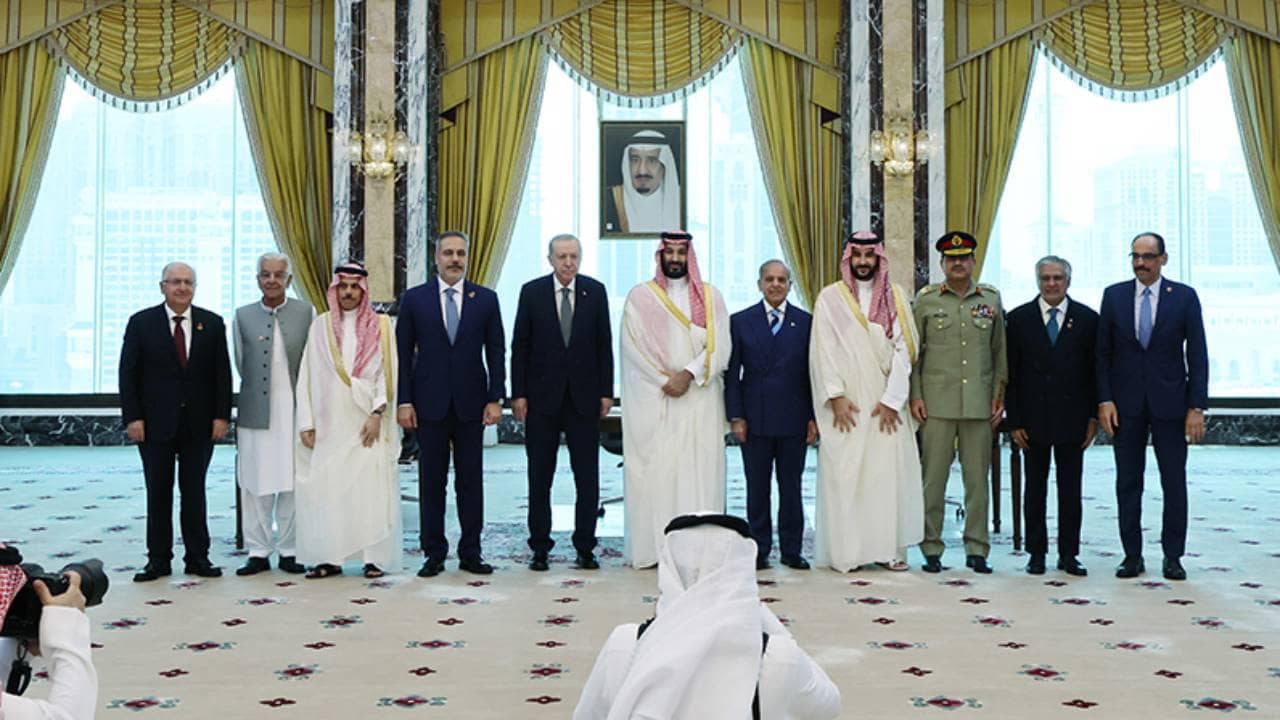
A significant component of this new regional architecture is the Mecca Agreement, which has emerged as a key element in the US redesign of the Middle East. The agreement signals a move toward consolidating alliances among key regional players, with Turkey playing a pivotal role.
The Russia-Ukraine war has also influenced these developments, adding complexity to the geopolitical landscape. As global powers navigate the consequences of the conflict, the Middle East becomes a critical theater for diplomatic maneuvering. Turkey’s ability to balance its relationships with various international actors is seen as crucial to maintaining regional stability.
Experts note that the integration of Turkey into this new framework requires careful navigation of existing tensions and alliances. The country’s historical position as a bridge between Europe and Asia gives it unique leverage, which the US seeks to exploit in its broader strategic goals.
Implications for Human Rights and Democracy
The suggestion that Turkey could become a regime exempt from criticism regarding human rights and democracy raises concerns among international observers. Foreign policy experts argue that this exemption is a deliberate strategy to facilitate Turkey’s acceptance into the new regional order without facing pressure to reform its domestic policies.
This approach contrasts with previous US administrations, which often linked strategic partnerships with conditions related to democratic standards. The current shift indicates a prioritization of geopolitical stability over ideological consistency, reflecting a broader trend in international relations where pragmatic interests outweigh normative concerns.
Future Trajectories and Diplomatic Challenges
As the US continues to redesign its Middle East strategy, Turkey’s role will likely evolve in response to changing dynamics. The success of this new alignment depends on the ability of both nations to manage internal political pressures and external expectations.
The AKP’s reliance on external support highlights the fragility of its domestic position. By aligning with powerful international actors, the party hopes to insulate itself from domestic criticism and consolidate its power. However, this strategy carries risks, including potential backlash from segments of the population who oppose closer ties with Western powers.
International observers will be watching closely to see how Turkey navigates its new role. The balance between maintaining sovereignty and fulfilling assigned missions will be a critical test for Ankara’s diplomatic capabilities. The outcome of this realignment could have lasting implications for the Middle East, shaping regional security and cooperation frameworks for years to come.