

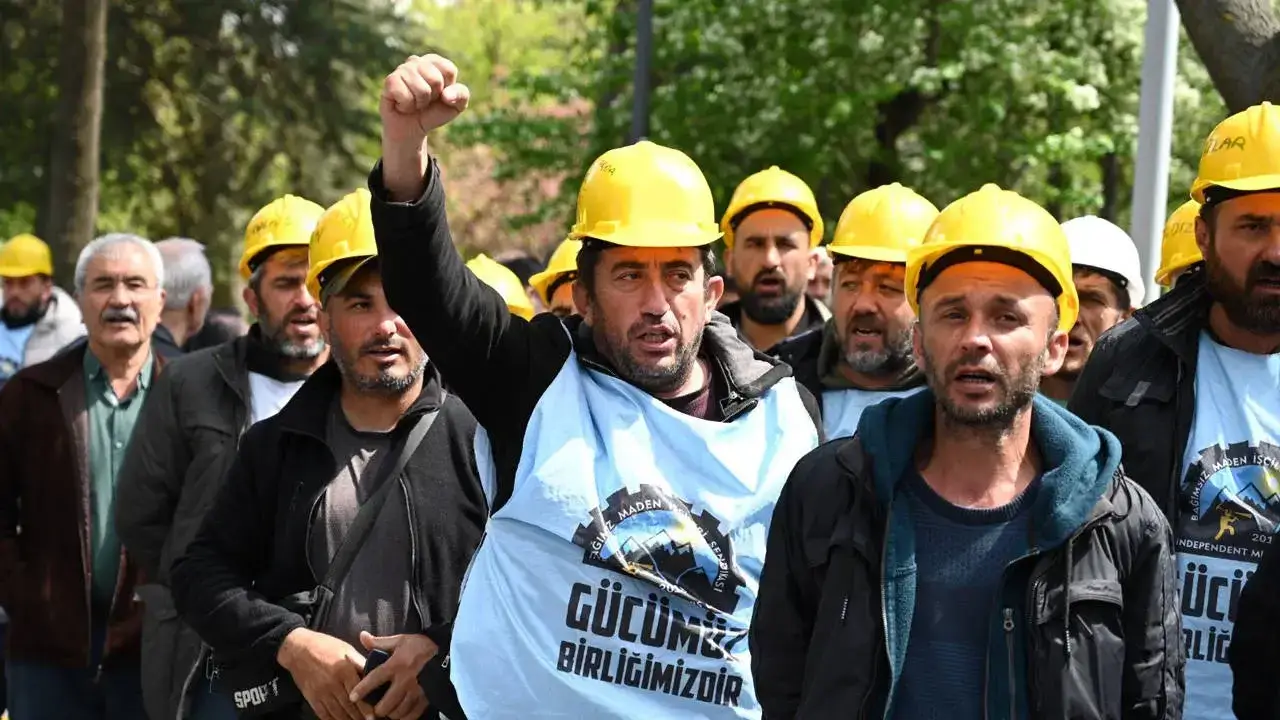

The Silence of Labor Amidst Economic Anxiety
Workers in Turkey are awaiting the outcome of upcoming economic decisions as living costs rise and unemployment threats persist. The Minimum Wage Determination Commission is scheduled to convene in early December 2026 to set pay rates that will directly affect nearly half of the workforce.
According to figures from the Turkish Statistical Institute (TUIK), the pay rise rate for public sector workers and pensioners will also be determined at the end of 2026. Despite these critical deadlines, trade unions have remained largely silent regarding the hardships faced by employees. Birgun describes this silence as a state of calm or quietude while workers face deep poverty, unemployment threats, and high living costs.
Tripartite Consultations and Union Strategies
The government exercises considerable control over the labour movement through confederations representing workers and civil servants that it has brought under its influence. Birgun reports that confederations such as HAK-İŞ, TÜRK-İŞ, and Memur-Sen continue to operate far from the demands of the working class.
The Tripartite Consultative Council convened on October 6, 2026, chaired by Labour and Social Security Minister Vedat Işıkhan. Representatives from TÜRK-İŞ, HAK-İŞ, and DİSK attended this meeting, yet their subsequent actions have diverged significantly. TÜRK-İŞ intends to sit out minimum wage negotiations this year, maintaining a stance similar to its position last year.
Meanwhile, DİSK is holding weekly "Workers’ Meetings" focused on income justice, taxation, and political issues, marking a period of detachment from broader political developments. This strategic withdrawal contrasts with the active engagement seen in other sectors of the labor movement.
Memur-Sen’s Growing Role
Memur-Sen holds significant influence due to many managerial figures within the organization being members of the AKP parliament. The union has successfully kept public sector workers out of politics while negotiating with the government and Kamu-Sen to establish a 5% trade union threshold.
This proposed threshold would make Memur-Sen the sole authorized body across all sectors if implemented. In contrast, KESK is described as weakened and paralyzed, representing a significant weakness for the opposition in the labor sphere.
Education Ministry Action Against Meta
In a separate development regarding digital safety, Turkish Education Minister Yusuf Tekin announced that the Ministry of Education is preparing to file a lawsuit against Meta. Tekin stated that the legal action would cite reasons including children being exposed to age-inappropriate content that negatively affects their academic and personal development.
Tekin indicated that Meta must either restrict access to such content for children or modify it so it does not harm them.