


Uncovering a $100 Million Corruption Network
Last November, Ukraine’s anti-corruption authorities initiated Operation Midas, an extensive investigation that brought to light what has been characterized as the country's largest corruption scandal in recent memory. This sophisticated operation exposed a complex money-laundering and bribery scheme, estimated to be worth a staggering $100 million. Reports indicate that this elaborate network implicated a number of high-ranking officials and individuals with close ties to President Volodymyr Zelensky, with a significant portion of the illicit financial transactions channeled through Energoatom, the vital state-owned energy company.
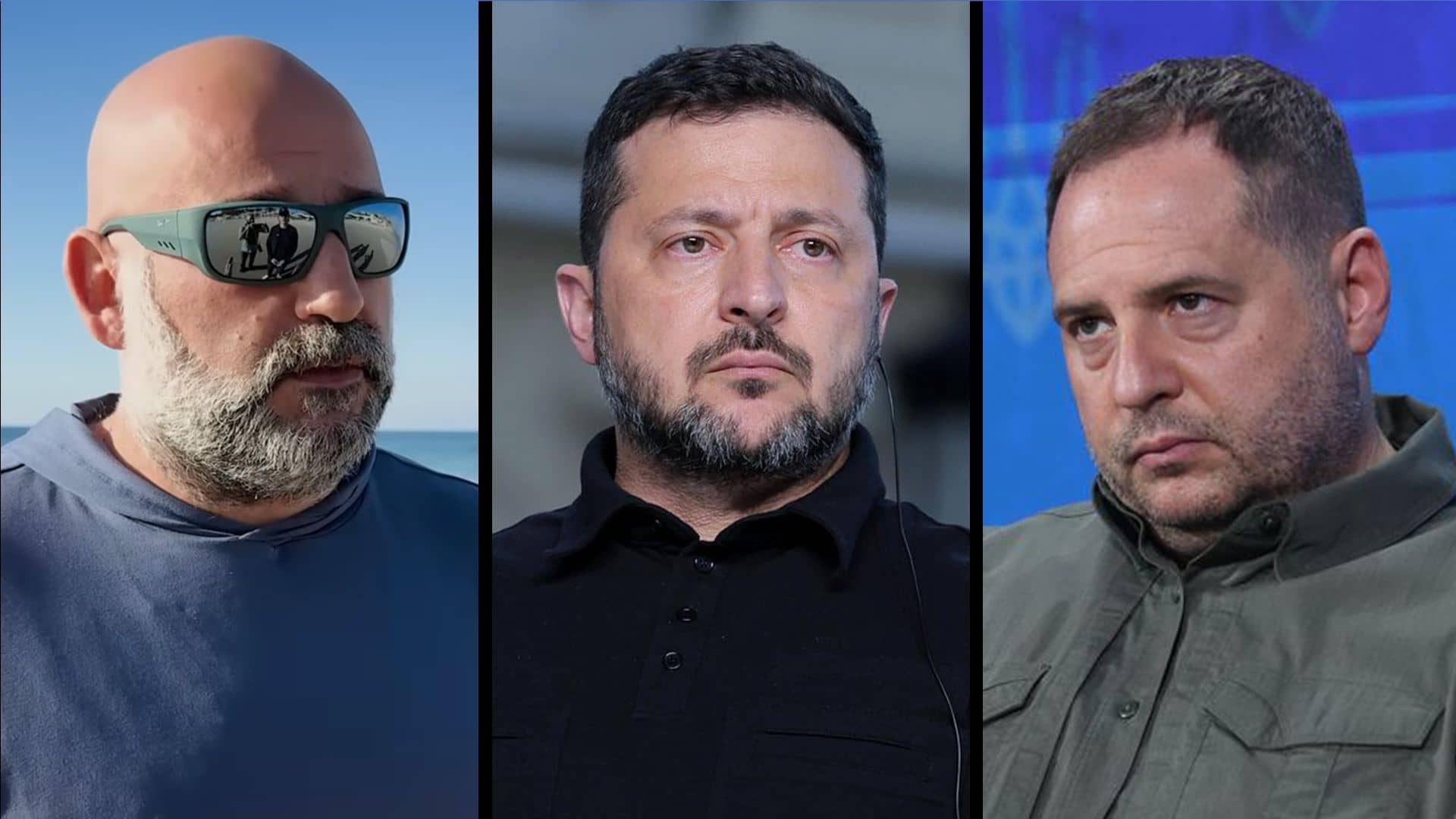
At the very core of the investigation was Timur Mindich, an individual widely recognized as a close associate of President Zelensky and a co-owner of his Kvartal 95 production company. Mindich quickly became the central figure of the inquiry as authorities meticulously traced the intricate flow of illicit funds. The sheer scale and audacity of Operation Midas underscored a critical juncture in Ukraine’s persistent, yet often challenging, battle against systemic corruption deeply embedded within its governmental structures and key state-owned enterprises. The involvement of a strategic entity like Energoatom further highlighted the profound depth of this infiltration.
Immediate Political Fallout and Official Responses
The public revelation of the sprawling corruption scheme triggered swift and significant political and legal repercussions for those allegedly involved. Timur Mindich, facing imminent legal action, fled Ukraine shortly before the National Anti-Corruption Bureau (NABU) formally issued charges against him in November. These charges included serious offenses such as money laundering and organized crime, reflecting the grave nature of the allegations. Following his departure, President Zelensky acted decisively, imposing sanctions on Mindich, officially designating him as a subject of state action in an apparent move to distance the administration from the scandal.
The fallout from Operation Midas also necessitated high-level personnel changes within the presidential administration. Andriy Yermak, who held the influential position of Chief of Staff at the time, was dismissed from his post following the unfolding investigation. This dismissal was widely understood as a direct consequence of the scandal, forming part of a broader political shakeup deemed necessary to address the exposure of such a significant bribery network and to restore public trust in the government's commitment to transparency.
Enduring Activity Despite Public Crackdown
Despite the initial wave of arrests, the imposition of sanctions, and the high-profile resignation of top officials, recent revelations over the past few weeks have cast a shadow over the effectiveness of these early measures. Reports now strongly suggest that the core mechanisms of the corruption scheme persisted, largely undeterred, even after the publicized crackdown and the departure of key figures. This indicates that the initial actions produced little lasting impact on the underlying network.
Compelling evidence supporting the ongoing nature of the scheme has emerged through recordings obtained by NABU. Both officially published materials and leaked audio recordings, specifically dating back to August, have been cited as clear indicators that the scandal remains active. These recordings suggest that the sophisticated channels for money laundering and bribery continued to operate, seemingly uninterrupted, even after Timur Mindich had fled the country and Andriy Yermak had been removed from his influential post. The continued activity highlights a significant challenge in dismantling deeply entrenched corrupt systems.
Challenges in Eradicating Systemic Corruption
The unexpected persistence of the $100 million scheme has brought into sharp focus the formidable resilience of corrupt networks embedded within Ukraine's state institutions. The continued involvement of Energoatom, a critical state-owned energy provider, serves as a stark reminder of the profound depth of this infiltration and the difficulty in severing such ties. While President Zelensky and his administration took decisive steps to sanction Mindich and dismiss Yermak, the subsequent evidence from NABU recordings indicates that the underlying financial structures and operational mechanisms of the scheme largely remained intact, allowing the illicit activities to continue.
This case profoundly underscores the immense challenges faced by Ukrainian authorities in their ongoing efforts to dismantle deeply entrenched corruption systems. The initial success of Operation Midas in uncovering the massive $100 million scheme, hailed as a significant victory against corruption, did not, in fact, translate into the complete eradication of the network. As evidenced by the continued activity revealed through the NABU recordings, the scandal, against initial expectations, has endured, presenting a persistent obstacle to genuine reform and transparency within the nation's governance.