


Permanent Basing Shift for Long-Endurance Surveillance Assets
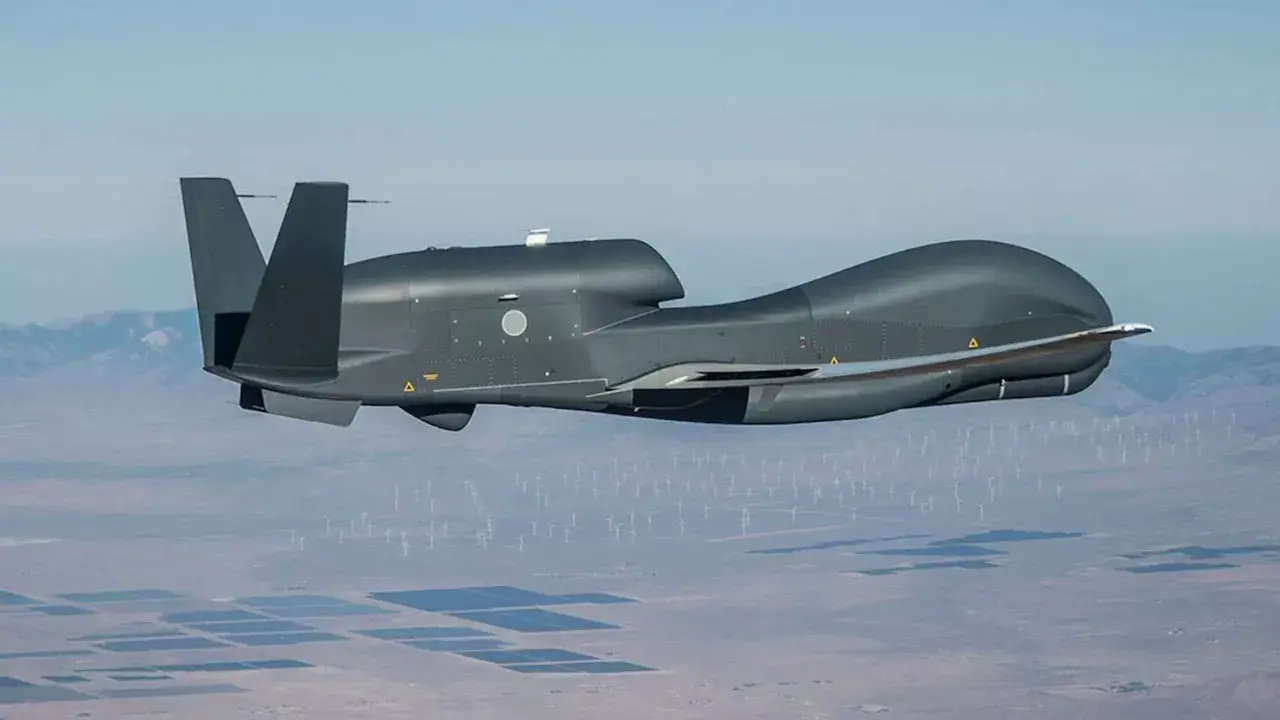
The United States Air Force has executed a permanent relocation of three RQ-4B Global Hawk surveillance drones from Andersen Air Force Base in Guam to Yokota Air Base near Tokyo, Japan. This significant logistical change, announced by the U.S. Air Force on June 15, marks a definitive transition from previous seasonal deployment patterns to a fixed basing arrangement for these long-endurance unmanned aerial vehicles. The decision specifically involves Northrop Grumman RQ-4B Global Hawk Block 40 drones, which are designed exclusively for intelligence, surveillance, and reconnaissance (ISR) missions, focusing on data collection rather than offensive combat roles.
By establishing a permanent presence in Japan, the service aims to substantially strengthen its ISR footprint across the critical Indo-Pacific region. This strategic relocation places these high-value assets closer to key operational areas within the theater, according to official statements regarding the adjustment. The move underscores a commitment to maintaining robust and uninterrupted intelligence-gathering capabilities in a strategically vital part of the world, moving beyond the temporary, rotational deployments that characterized their previous operational status.
Enhanced Surveillance Capabilities and Regional Stability
Global Hawk's Persistent Eye in the Sky
The RQ-4B Global Hawk is uniquely characterized by its ability to conduct extended surveillance operations without requiring mid-air refueling or landing for prolonged periods. These advanced unmanned aircraft can remain airborne for more than a day, providing continuous monitoring capabilities that significantly distinguish them from shorter-range unmanned systems or manned reconnaissance aircraft with more limited endurance. This capacity for sustained flight allows for comprehensive and persistent intelligence gathering over vast maritime and terrestrial areas, offering an invaluable asset for maintaining situational awareness across the Indo-Pacific.
The primary capability of the Global Hawk lies in its long-endurance surveillance, which translates into an ability to collect critical data over extended missions. This persistent presence is crucial for tracking developments, monitoring activities, and providing timely intelligence to U.S. forces and allied nations. The Block 40 variant, specifically, is equipped with advanced sensor packages designed to gather a wide array of intelligence, making it a cornerstone of modern ISR operations.
Mitigating Weather Disruptions for Continuous Operations
Official U.S. Air Force statements cited weather resilience as a primary and compelling factor in the decision to permanently move the drones to Japan. Guam, where the Global Hawks were previously based, is frequently subject to severe typhoon seasons. These powerful weather events can significantly disrupt flight operations, ground-based logistics, and maintenance schedules, leading to periods where surveillance coverage is either reduced or entirely unavailable. Such interruptions can create critical gaps in intelligence gathering, especially in a region where continuous monitoring is paramount.
Relocating these essential ISR assets to Yokota Air Base is specifically intended to mitigate these weather-related interruptions. Japan's climate, while experiencing its own seasonal variations, offers a more stable operational environment compared to Guam during typhoon season, thereby ensuring greater availability and reliability of the Global Hawk fleet. This permanent basing arrangement allows for more persistent and uninterrupted ISR support for U.S. forces and allied nations in the region, directly addressing previous limitations imposed by seasonal weather patterns that affected the availability and consistency of surveillance coverage from Andersen Air Force Base.
Strengthening the Indo-Pacific Intelligence Footprint
Yokota's Role in Regional Defense Architecture
The permanent stationing of the three RQ-4B Global Hawk drones at Yokota Air Base near Tokyo significantly enhances the base's role as a central hub for U.S. Air Force activities and broader American strategic interests in Japan. Yokota Air Base serves as the headquarters for U.S. Forces Japan and the Fifth Air Force, making it a critical node in the regional defense architecture. The presence of these long-endendurance surveillance assets at such a strategically important location contributes directly to the broader network of allied defense infrastructure and intelligence capabilities in the Indo-Pacific. This move solidifies Yokota's position not just as a logistical and command center, but also as a key operational base for advanced intelligence gathering.
Bolstering Allied Intelligence and Situational Awareness
This relocation aligns with ongoing and intensified efforts by the United States to maintain robust intelligence capabilities and strengthen its security posture across the Indo-Pacific. The continuous data provided by the Global Hawks supports enhanced situational awareness for both American and partner forces operating in the theater. By ensuring a more consistent and reliable flow of intelligence, the U.S. Air Force aims to improve decision-making processes, enhance regional stability, and bolster deterrence against potential adversaries. The permanent presence of these drones facilitates closer integration with allied intelligence networks, allowing for more effective shared understanding of the operational environment and coordinated responses to emerging challenges. This strategic adjustment is a tangible demonstration of the U.S.'s enduring commitment to its alliances and to regional security in the face of evolving geopolitical dynamics.