

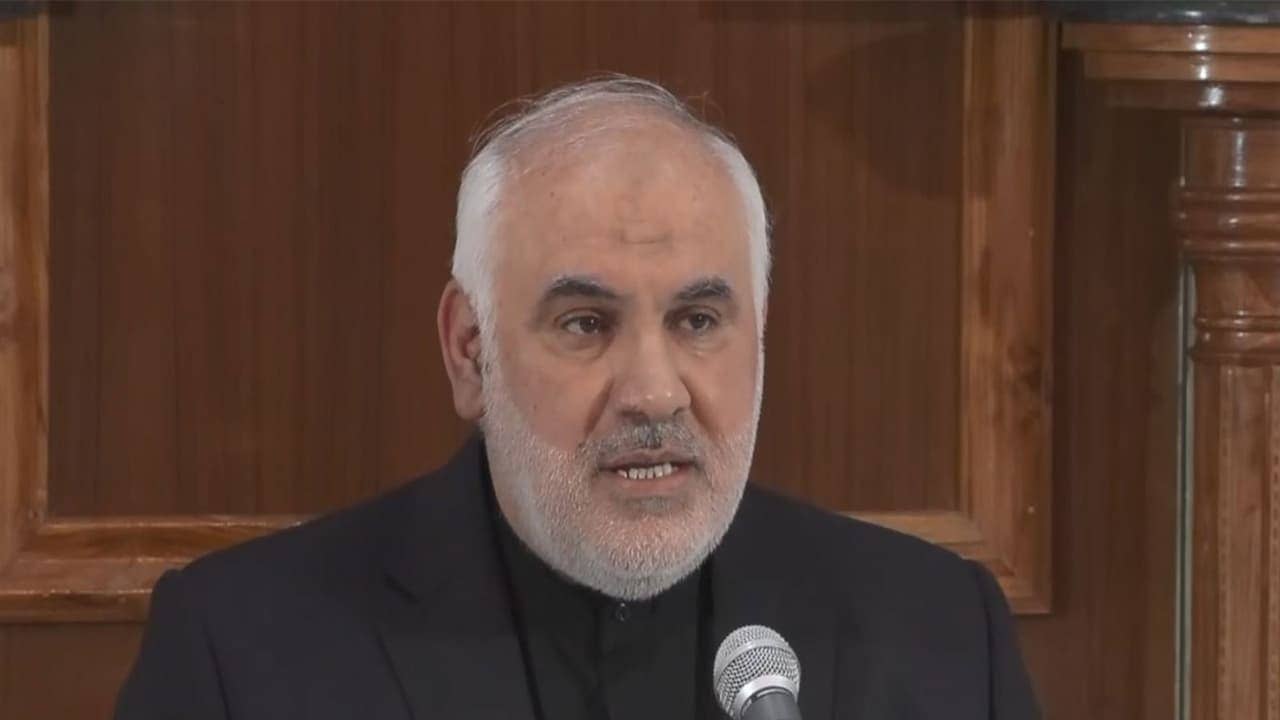

Iran's Ambassador to India, Mohammad Fathali, hailed a historic US-Iran peace deal on Thursday, June 18, 2026. The ambassador reaffirmed Tehran's commitment to security in the Strait of Hormuz.
The agreement includes provisions for an immediate cessation of military operations, including in Lebanon. It reportedly provides for sanctions relief and a USD 300bn economic plan for Iran.
Signing Ceremony Details
US President Donald Trump and Iranian President Masoud Pezeshkian signed the agreement at the Palace of Versailles in France on Thursday, June 18, 2026. The signing occurred following a G7 summit.
The document is described as a Memorandum of Understanding (MoU). It contains 14 points addressing various aspects of the conflict and future relations between the two nations.
Commitments Regarding Hormuz
Under Article 5 of the memorandum, Iran commits to making arrangements "using its best efforts" to ensure safe passage of commercial vessels through the Strait of Hormuz and the Persian Gulf. This provision is verified in source texts.
The agreement states that Iran will conduct dialogue with Oman to define future administration and maritime services in the Strait of Hormuz. Discussions are also planned with other Gulf littoral states, according to text provided by sources.
Statements on Maritime Security
Iran's Ambassador to India stated that the Islamic Republic views freedom of navigation in the strategic Strait of Hormuz as a fundamental principle. The ambassador noted recent tensions were the by-product of outside military interference, according to reported statements from Iranian officials.
Analysis on Security Architecture
The MoU includes language placing Iran at the center of future discussions over maritime services. Gcaptain described this role as a major departure from existing security architecture for Gulf shipping. This analysis is based on reporting by the publication.
Sources indicate that these discussions regarding other states are to be held "in line with international law and the sovereign rights of coastal states," according to text provided in source materials.