

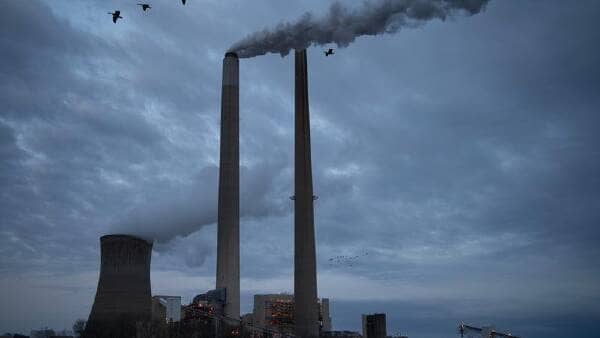

EPA Moves to Dismantle Power Plant Emission Rules
The United States Environmental Protection Agency (EPA) is reportedly on the verge of formally repealing significant carbon pollution standards that apply to coal- and gas-fired power plants across the nation. This impending action targets a suite of existing regulations designed to curb the release of harmful substances, including carbon dioxide, a primary greenhouse gas known for its role in climate change, as well as mercury, a potent neurotoxin, and various other air pollutants emitted from these energy generation facilities.
According to a Sunday report from Bloomberg News, the agency is in the final stages of implementing a portion of an initial proposal that originated during the previous Trump administration. These specific rules, which the EPA is now moving to dismantle, were originally enacted under the tenure of former President Joe Biden. Beyond this immediate repeal, the EPA also plans to introduce a separate, distinct rule. This forthcoming proposal aims to overturn a foundational federal finding that greenhouse gases emitted by power plants pose a direct threat to public health and welfare, a determination crucial for the EPA's regulatory authority.
The timing of this significant regulatory shift appears strategically linked to international diplomatic engagements. Bloomberg, citing sources familiar with the matter, indicated that the formal announcement of the repeal could occur as early as Monday. This timeline would coincide with the sidelines of the G20 energy ministers' meeting currently underway in Houston, Texas, potentially drawing international attention to the U.S.'s evolving environmental policy stance at a forum dedicated to global energy and climate discussions. However, Reuters reported its inability to immediately verify the specific timing or the precise details of Bloomberg's report on Sunday.
When approached for comment regarding the potential announcement and the specifics of the repeal measures, the EPA did not issue a response outside of standard business hours. As of the time of reporting, the agency has not released an official public statement confirming the immediate implementation or public disclosure of these repeal measures, leaving the precise details subject to official confirmation.
A Shifting Landscape for Emissions Controls
The regulations slated for repeal were initially established during the Biden administration with the explicit goal of limiting the output of carbon dioxide and other hazardous air pollutants from power generation sources. These standards represented a commitment to mitigating climate change and protecting public health through stricter environmental controls on one of the nation's largest industrial sectors. The current administration’s move to overturn these measures marks a significant and deliberate departure from those earlier environmental protections, signaling a fundamental shift in federal environmental policy regarding energy production and environmental stewardship.
This sequence of regulatory actions has been widely characterized by observers and in various reports as a "climate rollback." The term underscores the reversal of policies specifically designed to address climate change and reduce greenhouse gas emissions. The current EPA's efforts are seen as a critical component of the administration's broader strategy concerning energy policy and environmental regulation, which has often prioritized deregulation, reduced burdens on industry, and the promotion of fossil fuel industries over stringent environmental safeguards.
Undermining the Basis for Greenhouse Gas Regulation
A particularly impactful aspect of the EPA's planned actions involves proposing a distinct regulatory measure to overturn the foundational federal determination that greenhouse gases from power plants present a danger. This "endangerment finding," originally made in 2009, is a crucial legal underpinning for the EPA's authority to regulate greenhouse gas emissions under the Clean Air Act. Its repeal would not only remove specific emission limits but could also fundamentally undermine the legal basis for future federal climate regulations concerning power plants and potentially other sectors. This move signifies a deeper challenge to the scientific consensus on climate change and the regulatory framework built upon it, potentially creating significant legal and policy uncertainty.
Years of Regulatory Back-and-Forth
The current EPA's actions represent the latest chapter in a protracted regulatory battle over environmental standards for power plants, reflecting a broader political and ideological divide on climate policy in the United States. The rules now targeted for repeal were originally passed under former President Joe Biden, embodying his administration's commitment to rejoining global climate efforts and implementing domestic policies to reduce emissions.
However, the path to these repeals began earlier. The Trump administration had previously proposed repealing these very rules, signaling its intent to roll back what it considered burdensome regulations on the energy sector. The EPA is now moving to finalize parts of that initial proposal, effectively continuing a policy direction initiated by the prior administration. This administrative continuity in deregulation highlights a consistent effort across certain administrations to lessen federal oversight on emissions from coal and gas power plants.
Observers note that the agency's plan to also propose a separate rule to repeal the federal finding that greenhouse gases from power plants pose a threat is a more profound step. This finding is not merely a regulation but a scientific and legal determination that has served as the bedrock for many subsequent environmental protections. Overturning it would not only reverse specific policies but could also challenge the fundamental premise upon which a significant portion of U.S. climate policy rests, potentially reshaping the landscape of environmental law for years to come. This series of actions collectively underscores a strategic effort to redefine the federal government's role in addressing climate change and regulating industrial emissions.