

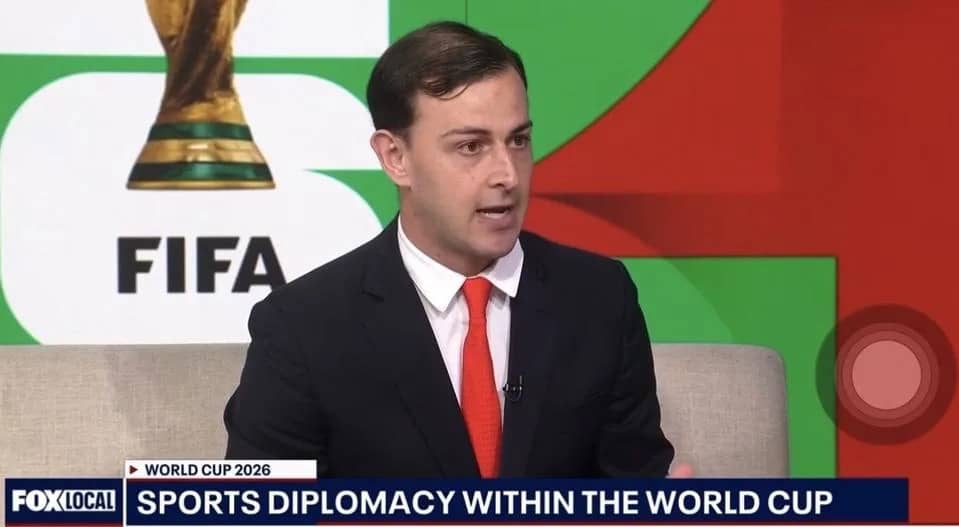

The 2026 World Cup as a Decadal Catalyst for U.S. Hosting
The upcoming 2026 FIFA World Cup is positioned not merely as a standalone tournament but as the kickoff for a pivotal decade of world championships in the United States. This significant assessment comes from strategic advisor Samuel Hymes, who has meticulously analyzed the trajectory of international sports hosting in North America. Hymes looks back at the profound significance of the 2026 event, not just as a major competition, but as a foundational moment, while projecting forward to what he considers a transformative period for global sporting competitions hosted on U.S. soil.
The identification of this decade as "pivotal" suggests a fundamental structural shift in how major international tournaments are distributed and managed globally. With the United States taking a central, leading role, this period is anticipated to redefine the landscape of global sports. The 2026 World Cup serves as the initial, high-profile marker in this ten-year cycle, setting a crucial precedent for the subsequent championships that are expected to follow in the coming years. This shift implies a concerted effort to leverage the nation's extensive infrastructure, vast market, and organizational capabilities to consistently attract and successfully execute events of unparalleled global magnitude.
U.S. Ascends as a Central Hub for Global Sports
The notion of the U.S. becoming a central hub for international sports events signifies a strategic reorientation in global sports management. This isn't just about hosting individual tournaments; it's about establishing a sustained presence and capacity that positions the nation as a preferred destination for the world's most prestigious competitions. Hymes' analysis underscores that the 2026 World Cup is more than an athletic spectacle; it is an economic, cultural, and diplomatic enterprise designed to initiate a long-term strategy. The success of this initial event is seen as critical to solidifying the U.S.'s reputation and paving the way for a continuous stream of high-profile international sporting events throughout the decade, thereby reinforcing its central role on the global stage.
Sports Diplomacy: A Strategic Imperative at Major Events
Central to Hymes' comprehensive analysis is the concept of sports diplomacy, a practice that leverages athletic competition and cultural exchange to foster international understanding and cooperation. He profoundly emphasizes the importance of utilizing major international events, such as the FIFA World Cup, to cultivate and strengthen diplomatic relations and facilitate meaningful cultural exchange. According to Hymes, these large-scale gatherings transcend mere athletic contests; they provide unique and invaluable opportunities for nations to engage with one another beyond the often-restrictive confines of traditional political channels. The shared passion for sports can create common ground, breaking down barriers and building bridges between diverse cultures and peoples.
The strategic advisor’s perspective highlights precisely how the immense infrastructure, global media attention, and widespread public engagement generated by the 2026 World Cup can be strategically utilized to strengthen international ties. By viewing the tournament through the lens of diplomacy, Hymes argues that the event's influence extends far beyond the immediate results on the field or the economic boost to host cities. Its impact can significantly influence geopolitical dynamics, shape positive public perception of the host nation, and lay the groundwork for enduring international partnerships. This approach transforms a sporting event into a powerful tool for soft power and global engagement.
Hymes' Vision for Sustained International Engagement
Hymes’ role as a strategic advisor involves a deep evaluation of the long-term implications and potential legacies of hosting such high-profile international events. His commentary suggests that the ultimate success of the 2026 World Cup will be measured not solely by its operational execution—though that remains paramount—but crucially by its ability to initiate a sustained era of international engagement through sports. This forward-looking viewpoint aligns with broader, evolving trends in global sports management, where host nations increasingly seek to maximize the lasting legacy of their involvement, extending benefits far beyond the event's duration.
For the United States, this means preparing for a series of championships that will rigorously test its capacity to manage complex international logistics, security protocols, and intricate diplomatic expectations over an extended ten-year span. The challenge lies in maintaining the highest standards across multiple events, ensuring each championship contributes to the overarching goal of fostering international goodwill and cooperation. Hymes' insights suggest that careful planning and a consistent diplomatic strategy will be essential to capitalize on the unique opportunities presented by this pivotal decade of global sports hosting.
Charting a Decade of Global Sporting Events and Diplomatic Goals
The declaration that the 2026 World Cup kicks off a decade of championships implies a highly coordinated and strategic effort to firmly position the U.S. as a primary, enduring hub for global sports. Hymes’ forward-looking analysis strongly suggests that subsequent events will systematically build upon the robust foundation laid by the 2026 tournament, creating a cumulative effect of international engagement and visibility. This sustained period of hosting is expected to solidify the nation's reputation as a reliable and capable host for events of the highest caliber, drawing on lessons learned and successes achieved from each preceding championship.
As the United States prepares to host this unprecedented series of world championships, a significant focus remains on the strategic integration of sports diplomacy into national policy. Hymes’ insights provide a crucial framework for understanding precisely how these events can be leveraged to achieve broader diplomatic goals, ensuring that the entire decade is defined not just by thrilling athletic competition, but by meaningful international cooperation and enhanced global understanding. The goal is to transcend the temporary excitement of the games and forge lasting bonds.
The coming years will serve as a critical test, revealing whether the U.S. can effectively sustain this momentum and successfully navigate the multifaceted challenges associated with hosting multiple world championships in quick succession. These challenges include managing vast logistical networks, ensuring security for millions of visitors, coordinating international partnerships, and delivering flawless operational execution repeatedly. Hymes’ consistent emphasis on diplomacy serves as a powerful reminder that the true, enduring value of these events lies in their profound potential to bridge cultural and political divides, foster mutual respect, and create lasting partnerships among nations, extending their impact far beyond the playing fields.