


Gaza Conflict Becomes Fertile Ground for Foreign Influence
U.S. intelligence assessments have unequivocally determined that the protracted and intense conflict in Gaza has created an exceptionally fertile environment for foreign influence operations, specifically targeting Western nations. These assessments reveal that the profound geopolitical turbulence and humanitarian crisis stemming from the war are being actively exploited by adversarial states. Their objective is to strategically advance their interests within the United States and among its key allies, leveraging the conflict's emotional and political volatility.
The intelligence community's findings underscore a sophisticated and coordinated effort. This campaign aims to meticulously shape public opinion, influence policy outcomes, and ultimately sow discord across Western societies. The inherent chaos, deep-seated divisions, and heightened emotional responses associated with the Gaza conflict are not merely incidental; rather, they serve as a potent catalyst. External actors capitalize on this environment to amplify existing societal fault lines and introduce new, divisive narratives, thereby exacerbating internal tensions and challenging the cohesion of Western democracies.
Russia and China Lead Political Warfare Against Israel
At the forefront of this global influence campaign, U.S. intelligence has identified Russia and China as the primary architects and leaders of a concerted political warfare effort specifically targeting Israel. This designation signifies that both nations are actively engaged in a strategic endeavor to systematically erode Israel's international standing and legitimacy. Their methods involve a sophisticated blend of coordinated disinformation campaigns, propaganda, and various influence activities designed to sway global perceptions and diplomatic postures against Israel.
Moscow's Strategy to Divide Western Democracies
Within the broader framework of this political warfare, Russia has been specifically singled out for its particularly active and aggressive role in directing anti-Israel narratives. Intelligence assessments indicate that Moscow is strategically leveraging the intense emotions and political polarization generated by the Gaza conflict. Its primary aim is twofold: to deepen existing divisions and create new fissures among Western democracies, thereby weakening their collective resolve and unity, and concurrently, to significantly weaken Israel's diplomatic position on the global stage. This involves propagating messages that aim to isolate Israel from its traditional allies and foster an environment of international condemnation.
Beijing's Challenge to Traditional Alliances
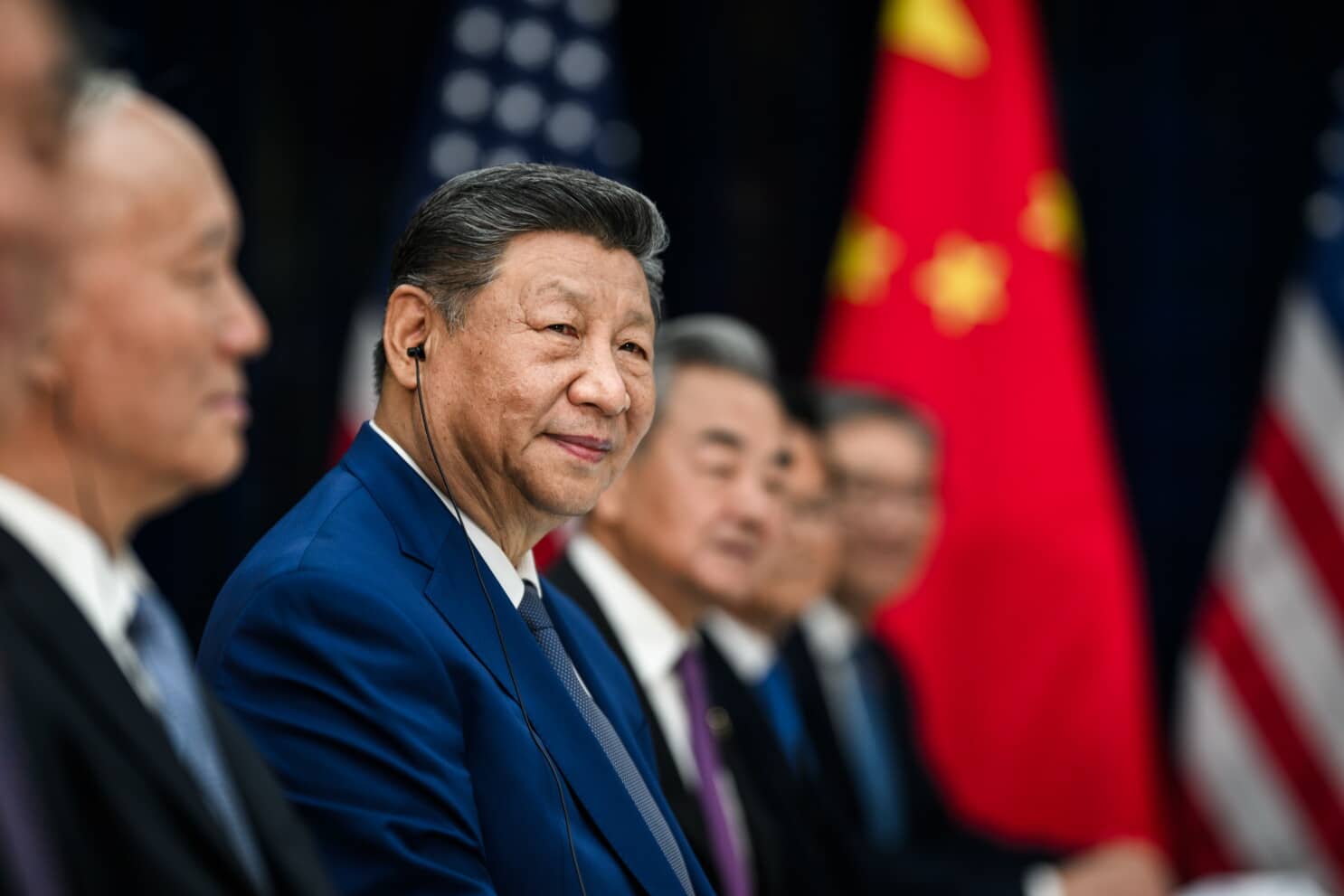
China is likewise identified as a pivotal architect of this sophisticated political warfare campaign. Beijing’s involvement is characterized by a deliberate strategy to align closely with Russia, presenting a seemingly unified and formidable front against Israeli policies and actions. This coordinated stance is not merely symbolic; it represents a direct challenge to the long-standing traditional alignment between Israel and Western powers, particularly the United States. By fostering this narrative of a united opposition, China seeks to reshape international discourse, diminish Western influence in the Middle East, and promote an alternative global order that is less reliant on Western leadership and alliances.
Eroding Support: Strategic Threats to Western Interests
The strategic convergence of Russian and Chinese influence operations, particularly their coordinated exploitation of the Gaza conflict, poses a significant and multifaceted challenge to U.S. national security interests and the stability of its alliances. By systematically targeting the conflict, these adversarial nations aim to actively erode both governmental and public support for Israel among key American partners and within domestic populations in the West. Such erosion could lead to shifts in foreign policy, reduced diplomatic leverage, and increased internal political fragmentation, all of which serve the broader strategic objectives of Moscow and Beijing.
The intelligence community’s intense focus on this evolving dynamic highlights a critical understanding: modern political warfare has fundamentally expanded beyond the conventional confines of traditional military engagements. In this new paradigm, the use of sophisticated information operations has emerged as a primary and highly effective tool. This allows Russia and China to exert substantial geopolitical pressure, manipulate perceptions, and achieve strategic objectives without resorting to direct kinetic confrontation, thereby operating in a 'grey zone' that complicates traditional responses and defense mechanisms.
Conflict's Intensity Amplifies Disinformation Campaigns
A crucial aspect of the U.S. intelligence assessment is the direct linkage between the success and efficacy of these foreign influence campaigns and the specific, volatile conditions on the ground in Gaza. The profound intensity and prolonged duration of the conflict have inadvertently created an exceptionally fertile and receptive environment. This environment is highly conducive to the rapid and widespread dissemination of disinformation, the manipulation of facts, and the potent mobilization of political sentiment, predominantly directed against Israel. The constant flow of information, often emotionally charged, provides ample material for adversarial actors to selectively highlight, distort, or fabricate narratives that resonate with pre-existing biases and amplify anti-Israel sentiment.
U.S. officials interpret this calculated exploitation of the ongoing crisis not as opportunistic but as a deliberate and sophisticated strategy. Adversarial states are leveraging the conflict to achieve significant strategic objectives that would be exceedingly challenging, if not impossible, to attain through conventional diplomatic channels or direct military means alone. By manipulating the information space and public discourse surrounding Gaza, these nations aim to fundamentally alter geopolitical alignments, undermine trust in democratic institutions, and ultimately reshape the global balance of power in their favor.