


US-Iran Tensions Drive Oil Prices Up, European Stocks Down
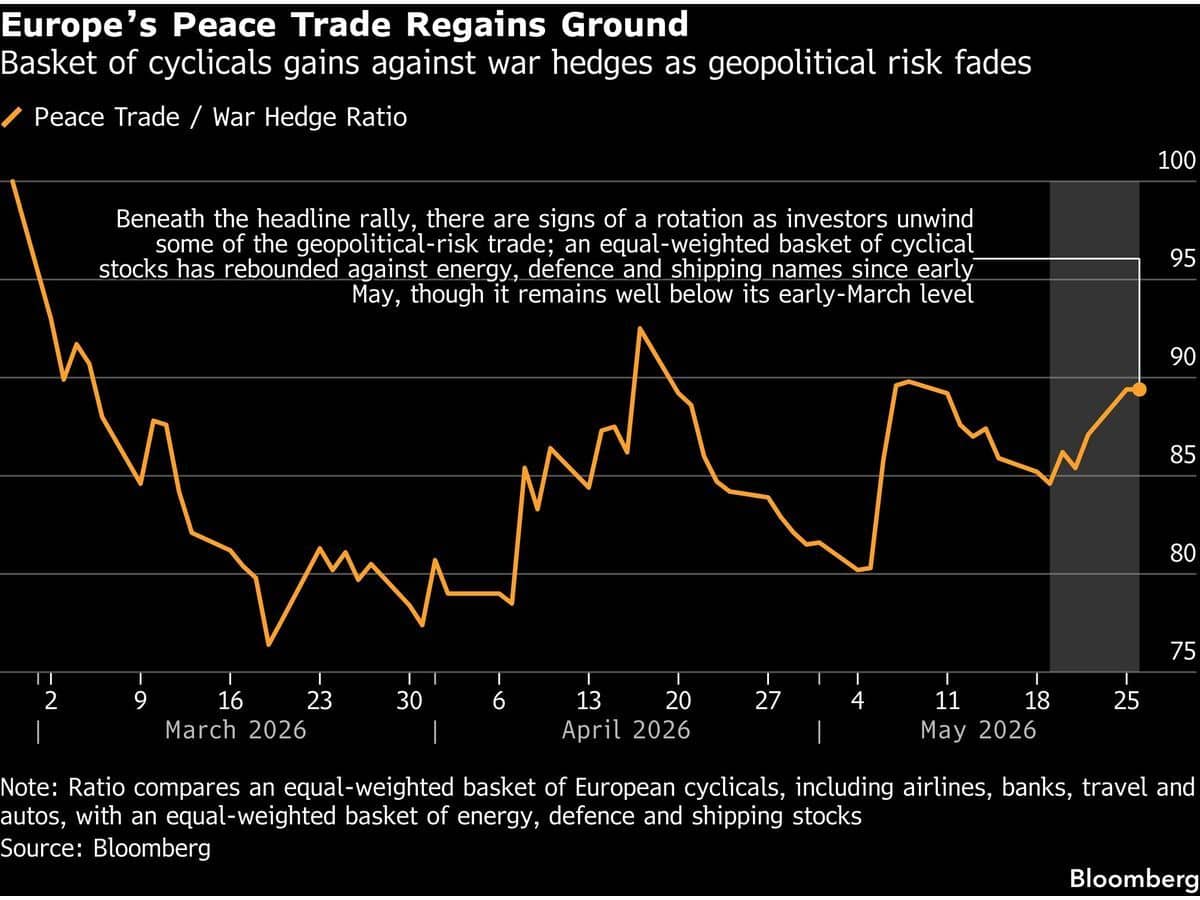
European stock markets experienced a downturn on Tuesday, halting a six-day period of gains, as investors reacted to escalating tensions between the United States and Iran. This geopolitical unease contributed to a notable increase in global oil prices, reflecting concerns over potential supply disruptions.
Market Performance and Investor Sentiment
Major European indices closed lower, signaling a shift towards a risk-off sentiment among investors. The pan-European STOXX 600 index recorded a decline of approximately 0.8%, with a broad array of sectors trading in negative territory. Germany's DAX index fell by 1.1%, while France's CAC 40 dropped by 0.9%. In the United Kingdom, the FTSE 100 index also saw a decrease of 0.7%, influenced by a significant slump in shares of energy giant BP.
The market's retreat followed a period of sustained positive performance, underscoring the sensitivity of financial markets to geopolitical developments. Traders expressed growing apprehension that a diplomatic resolution or a "peace deal" between the US and Iran would remain elusive. This perception of prolonged instability fueled uncertainty, prompting investors to reduce exposure to riskier assets such as equities.
The broad-based nature of the decline indicated a widespread cautious approach. Sectors typically sensitive to global economic outlooks, such as technology, industrials, and automotive, were particularly affected. Even within the energy sector, despite rising oil prices, some major companies saw their stock values decrease as part of the wider market sell-off driven by concerns over the potential impact of geopolitical instability on global economic growth.
Oil Price Surge Amid Supply Concerns
The heightened tensions in the Middle East directly impacted crude oil markets, driving prices upwards. Brent crude futures, the international benchmark, rose by over 1.5%, settling above $70 per barrel during trading. Similarly, U.S. West Texas Intermediate (WTI) crude futures increased by more than 1.8%, surpassing $65 per barrel.
Market analysts attributed the significant price rally to fears of potential supply disruptions in the Persian Gulf, a region critical for global oil transit. The Strait of Hormuz, a narrow waterway bordered by Iran and Oman, is a particularly sensitive choke point, through which approximately one-fifth of the world's total oil consumption passes daily. Any perceived threat to shipping or stability in this strategic waterway tends to trigger an immediate and substantial reaction in global oil prices, as traders price in a "geopolitical risk premium." Higher oil prices can have broader economic implications, potentially impacting inflation, consumer spending, and corporate operating costs across various industries.
Geopolitical Context and Market Anxiety
The current state of US-Iran relations has been characterized by a period of heightened rhetoric, economic sanctions, and various incidents in the region over recent months. Key points of contention include the 2015 nuclear deal (Joint Comprehensive Plan of Action - JCPOA), from which the US unilaterally withdrew in 2018, and the subsequent re-imposition of stringent US sanctions against Iran. These sanctions have targeted Iran's oil exports and financial sector, aiming to pressure the country's leadership.
Beyond the nuclear issue and sanctions, regional proxy conflicts and maritime security concerns in the Gulf have further exacerbated the situation, contributing to an environment of mistrust and confrontation. The perceived lack of clear diplomatic pathways for de-escalation has left investors wary of potential miscalculations or an escalation of hostilities. The prospect of prolonged instability in a key oil-producing and transit region continues to fuel market anxiety, leading to a flight from perceived riskier assets and an increase in commodity prices directly impacted by the geopolitical landscape.
Sectoral Impact and BP's Performance
The broad-based decline across European bourses reflected a general cautious stance. While rising oil prices typically benefit energy companies, the overarching concern about regional instability and its potential impact on global economic growth led to a general retreat from equities. This broader market sentiment often outweighs sector-specific positives in times of heightened geopolitical risk.
BP, one of the world's largest publicly traded oil and gas companies, saw its shares decline as part of this wider market downturn. Despite the increase in crude oil prices, the prevailing sentiment of risk aversion and the potential for geopolitical events to negatively affect global demand or operational stability contributed to the selling pressure on even major players in the energy sector. The company's performance was indicative of the broader market's reaction to the perceived increase in global risk.