


Strategic Deployment of Military and Humanitarian Assets
The United States government has initiated a comprehensive relief operation in Venezuela, deploying military resources alongside humanitarian aid following a series of natural disasters. According to the State Department, which serves as the lead coordinator for this government-wide effort, the United States is mobilizing $150 million in aid to support emergency response efforts.
The deployment includes elite search and rescue teams, Navy vessels, military transport planes, and Starlink satellite internet terminals. This initiative marks a significant logistical undertaking by Washington, utilizing specialized equipment to address critical infrastructure failures in the disaster zone. The State Department outlined the specifics of the relief mission on Friday, detailing how these assets will be utilized to restore essential services.
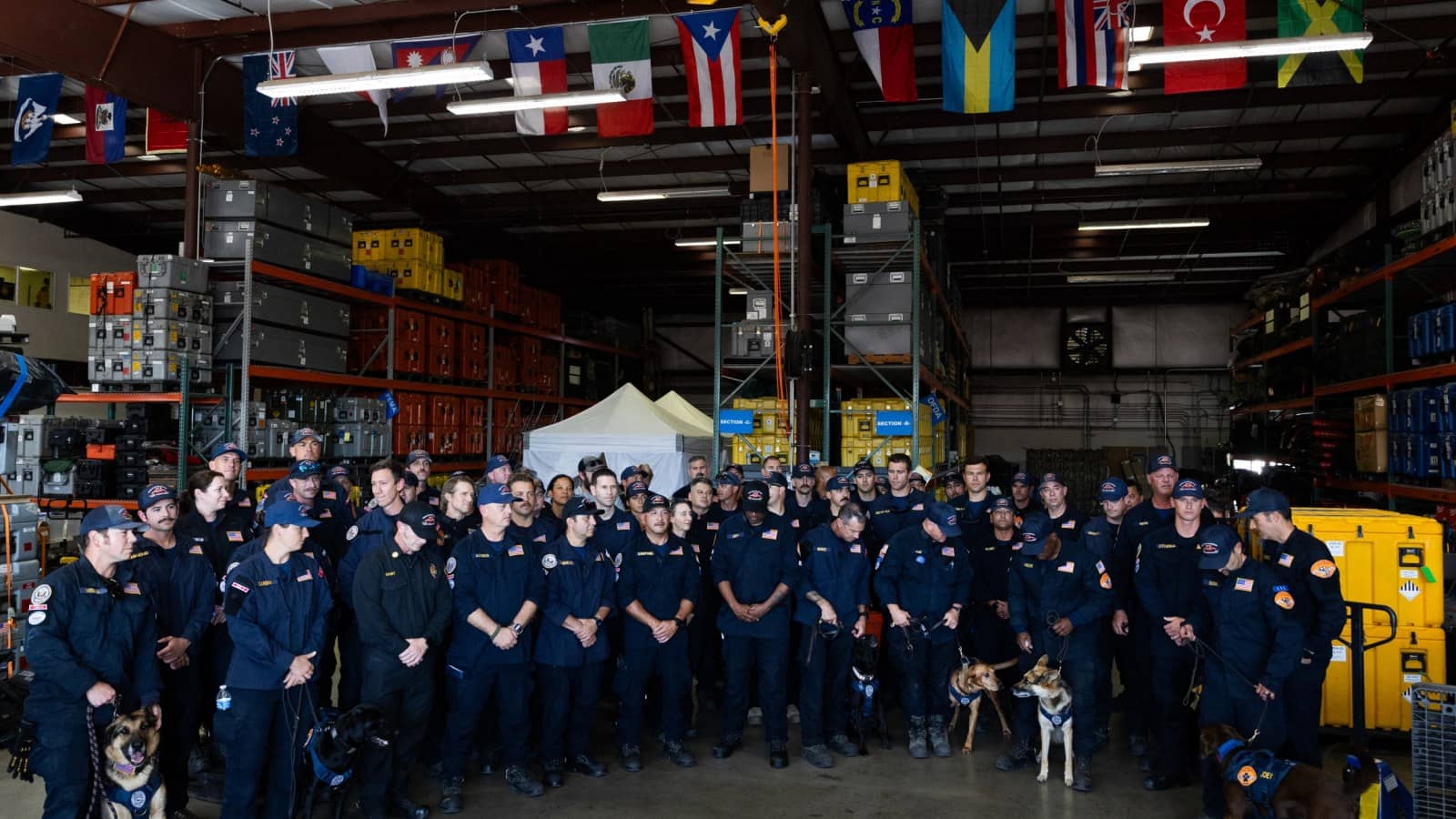
Among the personnel being sent is the County of Los Angeles Fire Department's international urban search and rescue team, designated as USA-2. This unit comprises 71 crew members and six dogs trained for disaster response. The team was preparing to depart from Pacoima, California, on June 25, 2026, in direct response to the earthquakes that struck Venezuela.
Restoring Communications Amid Infrastructure Damage
A primary objective of the U.S. deployment is to restore communications within the affected regions. The State Department noted that a damaged airport has complicated delivery efforts, creating bottlenecks for aid distribution. To mitigate this challenge, the United States is dispatching Starlink satellite internet terminals to ensure connectivity for rescue operations and humanitarian workers.
The inclusion of military transport planes alongside Navy vessels suggests a multi-modal approach to overcoming the logistical barriers presented by the compromised infrastructure. The State Department's plan identifies these assets as critical components in the broader strategy to deliver aid effectively despite the physical destruction caused by the seismic events.
Context of the Disaster and Previous Military Presence
The relief mission follows two powerful earthquakes that have resulted in significant casualties and injuries. Reports indicate that at least 188 people were killed, with hundreds more injured in the disaster. The urgency of the U.S. response is reflected in the rapid mobilization of resources from multiple government agencies.
This operation represents the largest relief push by the United States since the closure of USAID operations in Venezuela. The scale of the current deployment contrasts with previous periods of reduced direct humanitarian engagement, highlighting a shift in the immediate response strategy to the crisis.
Timeline and Geopolitical Implications
The timing of this relief effort occurs against a backdrop of complex geopolitical relations between the United States and Venezuela. The U.S. special forces had previously conducted operations in Venezuela approximately five months prior to this relief effort. This recent history of military activity precedes the current humanitarian mission, adding a layer of strategic context to the deployment of naval and aerial assets.
While the State Department frames the operation strictly as a disaster response, the presence of elite rescuers and military hardware follows closely on the heels of previous special forces raids. The coordination of these efforts remains under the purview of the State Department, which is managing the interagency logistics for the $150 million aid package.
International Response and Aid Distribution
The United States' mobilization is part of a broader international race to provide help. Rescuers from around the world have been racing to assist Venezuela, with the U.S. contribution focusing on specialized capabilities such as urban search and rescue and satellite communications.
The County of Los Angeles Fire Department's team represents one of the key elements of this international effort. Their deployment underscores the reliance on specialized municipal resources for large-scale disaster response when national infrastructure is compromised.
As the relief operation proceeds, the focus remains on overcoming the immediate challenges posed by the damaged airport and the need for reliable communication networks. The State Department's role as lead coordinator involves managing the integration of these diverse assets to ensure that the $150 million in aid reaches the affected population efficiently.
Operational Details of the Relief Mission
The specific composition of the U.S. aid package includes both financial support and tangible resources. The $150 million figure encompasses the costs associated with the deployment of personnel, equipment, and supplies. The use of Starlink terminals addresses the immediate need for internet connectivity, which is vital for coordinating rescue efforts and maintaining contact with isolated communities.
The involvement of Navy vessels indicates that maritime routes may be utilized to bypass the damaged airport and deliver heavy equipment or bulk supplies directly to coastal areas. This multi-pronged approach aims to maximize the reach and effectiveness of the humanitarian aid in a challenging environment.
The operation continues to develop as the State Department coordinates with international partners and local authorities. The deployment of elite search teams and specialized technology reflects the severity of the disaster and the complexity of the response required to address the needs of the 188 victims and hundreds of injured individuals.