

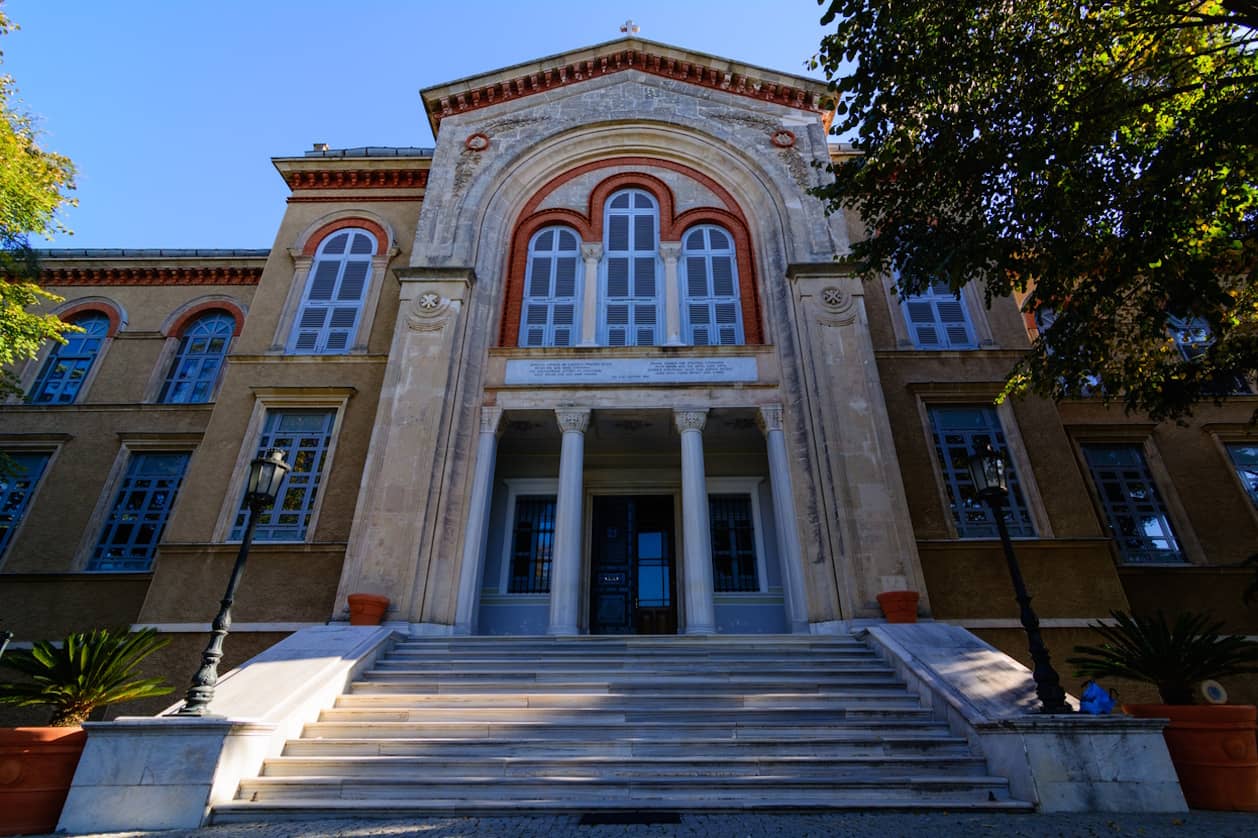

A Half-Century of Legislative Exclusion
The Theological School of Halki, which operates under the jurisdiction of the Ecumenical Patriarchate of Constantinople, has remained shuttered for 55 years. According to reports, the closure was not the result of a single administrative decision but was enacted through laws passed by successive governments of the Republic of Turkey. These legislative measures have been implemented by both military and civilian administrations over the decades, creating a persistent legal barrier to the school's operation.
The prolonged shutdown has drawn attention from observers who view the situation as a deliberate use of state power. The case illustrates how states can utilize legislation and administrative control to diminish the presence of vulnerable communities. In this instance, the legal framework serves to erode the living presence of the community associated with the school and to erase its historical memory.
The Halki case has historically received limited attention in international media outlets. Observers note that the situation does not align with the cynical media adage that "if it bleeds, it leads," suggesting that the lack of violent or immediate crisis imagery contributes to the low level of coverage. This absence of a media spotlight has been matched by a corresponding failure among US foreign policymakers to address what is at stake in the Halki case.
Implications for US Foreign Policy Credibility
The situation at Halki is currently framed by analysts as a crucial test for United States foreign policy. The reopening or continued closure of the seminary serves as an indicator of how seriously Washington treats its stated commitments to a rules-based international order.
Testing Rule-of-Law Commitments
US foreign policymakers have long struggled to maintain credibility in their support for robust protections of international religious freedom. The Halki seminary's status presents a critical test case for these commitments. For the United States, the practical meaning of its rule-of-law commitments is being evaluated against its actions regarding this specific educational and religious institution.
Experts argue that US religious freedom policy has the potential to remedy what they describe as Turkey’s "Potemkin performance" regarding the seminary. The term "Potemkin," historically associated with fake structures built to deceive observers, is used here to suggest that any superficial reopening or symbolic gestures by Turkish authorities may lack substantive legal or administrative reality. The argument posits that only a genuine resolution through US diplomatic pressure could address the underlying legislative barriers.
The closure of Halki is presented not merely as a local Greek-Turkish issue, but as an example of broader geopolitical patterns. It demonstrates how national legislation can be wielded to control religious institutions and suppress historical continuity. For policymakers in Washington, ignoring this case risks undermining the practical meaning of their adherence to international norms regarding religious liberty.
The Gap Between Policy Rhetoric and Action
Despite the significance attributed to the Halki situation by its advocates, the issue remains largely absent from high-level diplomatic discourse. The lack of engagement from US officials contrasts with the school's long history and its importance to the Ecumenical Patriarchate.
The 55-year duration of the closure highlights a persistent gap between the ideals of religious freedom and the reality of administrative control in Turkey. Successive Turkish governments, regardless of their political orientation, have maintained the legal status quo that prevents the seminary from functioning. This continuity suggests that the issue is entrenched in the state's approach to minority institutions.
Observers emphasize that the Halki case requires more than passive observation. The argument is that US foreign policy must actively address the significance of the situation to demonstrate a genuine commitment to international religious freedom. Without such engagement, the rules-based order that the US claims to support may appear inconsistent when applied to cases involving legislative exclusion of religious education.
The potential for US policy to expose any discrepancies in Turkey's handling of the seminary remains a focal point for those advocating for its reopening. The hope is that increased diplomatic scrutiny will force a substantive change rather than a symbolic one, ensuring that the school can operate freely and openly after more than half a century of closure.