


U.S. Announces Precision Strikes on Iranian Military Infrastructure
The United States carried out 10 strikes on Iranian military targets in the Strait of Hormuz region, a significant military action announced by President Donald Trump on Saturday. U.S. Central Command (CENTCOM) confirmed that American forces executed these precision strikes against multiple locations in and around the strategic waterway, a critical chokepoint for global oil shipping.
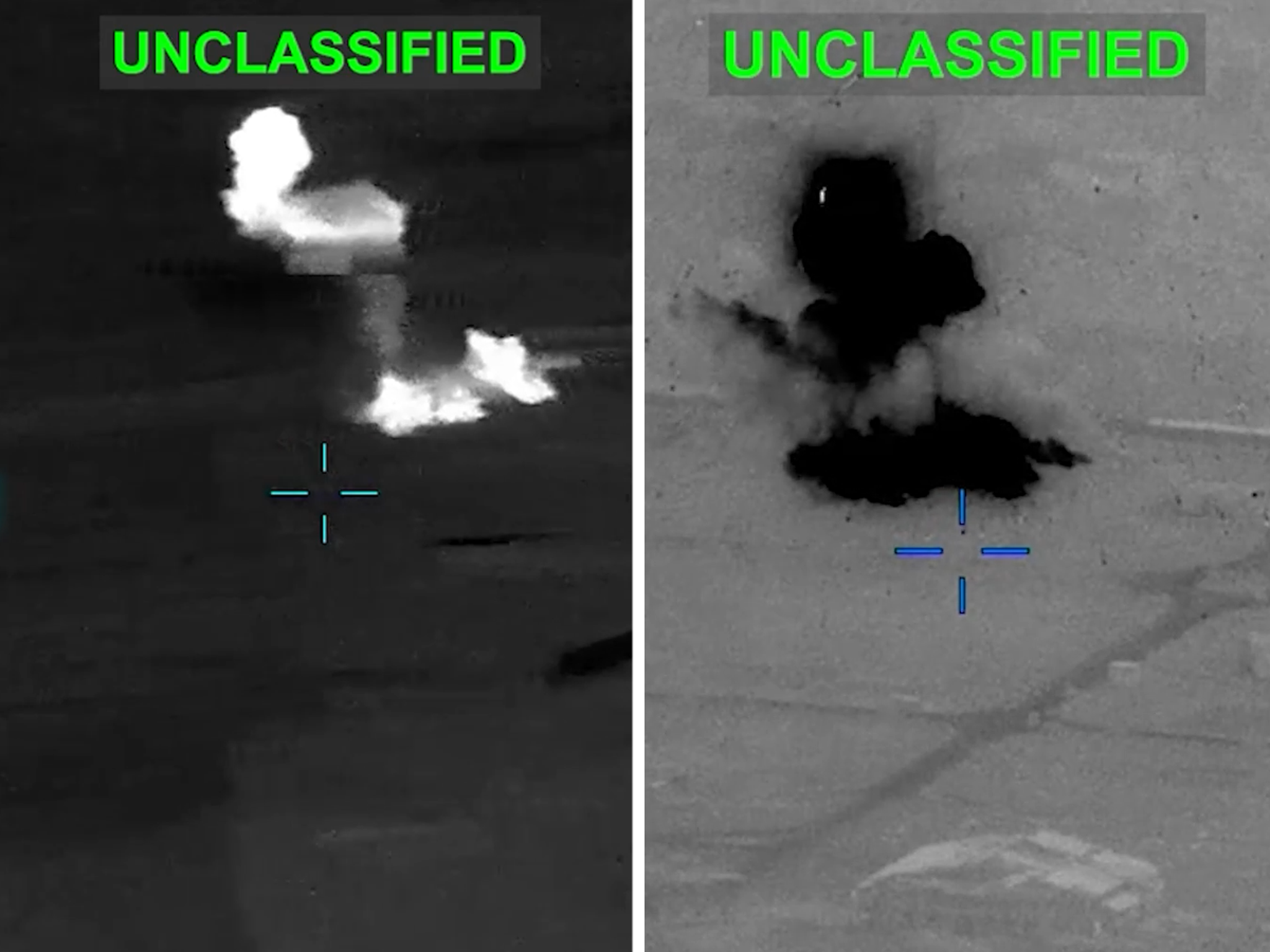
According to CENTCOM, the operation targeted specific Iranian military capabilities deemed crucial for regional operations and potential threats. These included surveillance infrastructure, communication systems, air defense sites, drone storage facilities, and minelayer capabilities. The targeting of these assets suggests a U.S. intent to degrade Iran's ability to monitor maritime traffic, coordinate military actions, defend its positions, launch unmanned aerial vehicles, and disrupt shipping lanes. CENTCOM also posted video footage of the strikes on social media, visually demonstrating the devastation caused by the attacks and underscoring the precision of the operation.
Triggering Incident: Attack on the Kiku Tanker
U.S. officials stated that the decision to launch these airstrikes followed a reported attack on a commercial oil tanker identified as Kiku. The vessel was reportedly attacked while transiting the Strait of Hormuz, a waterway through which a significant portion of the world's seaborne oil passes daily. At the time of the incident, the tanker was carrying more than two million barrels of crude oil, highlighting the potential economic and environmental repercussions of such an attack. U.S. military sources indicated that Iran had an opportunistic motive for the attack on the merchant vessel, suggesting a deliberate act to disrupt international shipping and exert influence in the region.
Tehran Launches Retaliatory Attacks on Gulf States
In a rapid and direct response to the U.S. airstrikes, Iran launched its own drone and missile attacks. These retaliatory strikes specifically targeted Bahrain and Kuwait, two U.S. allies in the Persian Gulf region. Video footage purportedly showing missiles being launched in response to the U.S. strikes was circulated by social media users, further amplifying the sense of escalating conflict. The targeting of these nations underscores the broader regional implications of the U.S.-Iran confrontation, drawing other countries into the immediate line of fire.
The escalation marked a significant and concerning development in West Asia, as these military exchanges occurred despite an interim agreement between Washington and Tehran. This agreement was specifically aimed at reducing hostilities and negotiating a broader peace framework to end the ongoing conflict between the two nations. The immediate tit-for-tat military actions severely tested the durability of this fragile diplomatic understanding.
Tensions in West Asia have escalated sharply following these events, raising alarms across the international community. The U.S. military described its initial strikes as a direct response to the threat posed by Iranian military assets in the region, emphasizing the defensive nature of their actions. CENTCOM specified that the 10 targets were located at multiple sites near the Strait of Hormuz, reinforcing the strategic importance of controlling or influencing this critical chokepoint for global oil shipping and trade.
Fragile Ceasefire Faces Severe Test Amid Regional Volatility
The timing of the U.S. strikes and Iran's subsequent retaliation has raised profound concerns about the stability and viability of the interim ceasefire deal. The U.S. military launched a second round of airstrikes on Sunday, June 28, at the direct instruction of President Trump, signaling a sustained and determined response. This second wave of attacks followed an earlier incident on Kuwait early Sunday, which was described as the first such attack since the ceasefire framework was initially announced, further highlighting the immediate breakdown of the agreement's terms.
This period of heightened military activity also coincided with a decision by a U.S. Navy-backed multinational maritime body to expand a shipping corridor near Oman in the Strait of Hormuz. This expansion, intended to enhance maritime safety and efficiency, has paradoxically increased concerns over maritime security in the region, particularly given the recent attacks on commercial vessels like the Kiku and military sites. The confluence of these events underscores the extreme volatility of the Persian Gulf and the broader West Asian region.
Reports indicate that the ongoing strikes in the Persian Gulf highlight the acute danger of the Iran conflict spinning out of control. The interim deal was specifically intended to help both sides agree on a final accord to end the conflict, providing a pathway to de-escalation and a lasting peace. However, the recent surge in violence strongly suggests that the ceasefire is not merely being tested, but is under severe strain, with its very existence in question. Some reports even suggest that the U.S. may consider relocating military bases from Kuwait and Saudi Arabia in response to the heightened threat level and the perceived instability, a move that would significantly alter the regional military landscape.
The United States and Iran remain in a profoundly fragile state of engagement, with both sides conducting military operations that directly challenge the durability of their diplomatic agreements. The U.S. strikes on Iranian military targets and the subsequent retaliatory attacks on Bahrain and Kuwait vividly underscore the extreme volatility of the current situation in West Asia, where military actions threaten to unravel any progress made towards a peaceful resolution.