

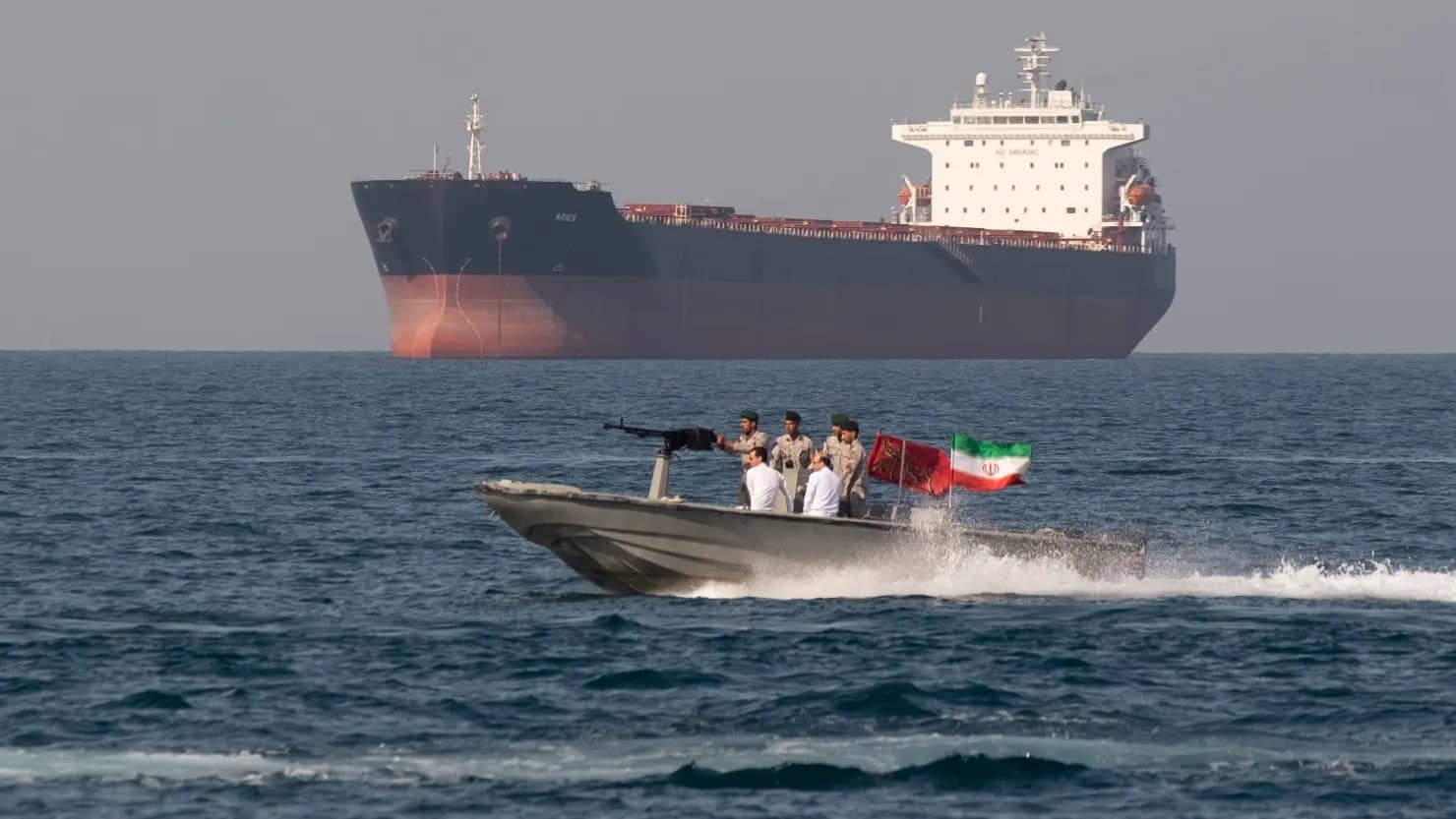

Escalation in the Strait of Hormuz
The Middle East has become a focal point of global market anxiety due to escalating tensions involving the United States and Iran. The United States conducted strikes against Iranian targets near the Strait of Hormuz, a maritime chokepoint widely described as one of the world’s most strategically important waterways and a critical artery for global energy supplies.
The escalation intensified after reports of Iran allegedly launching attacks against other Gulf states, followed by a formal announcement from Tehran declaring the closure of the Strait of Hormuz. These developments sent shockwaves across energy markets and financial assets worldwide, prompting immediate reactions from traders and policymakers alike, as global supply chains face potential disruption.
The World's Critical Oil Chokepoint
The Strait of Hormuz is indeed a critical maritime chokepoint, with approximately one-fifth of global petroleum consumption passing through its narrow waters. This makes any disruption to the Strait of Hormuz a significant threat to global oil supply, impacting not only crude oil shipments but also refined products and liquefied natural gas (LNG) crucial for economies worldwide.
The region's inherent volatility has once again placed the Middle East at the center of international attention, underscoring the delicate balance between geopolitical stability and global economic security. The combination of direct military actions by the United States and formal declarations regarding the closure of the strait by Iran has created an environment of heightened uncertainty for global commerce and energy security.
Energy Markets React to Supply Risks
Following Iran's formal announcement of closing the Strait of Hormuz, oil prices surged dramatically, reflecting acute market apprehension. Brent crude, the international benchmark, rose sharply by 4.8% to $79.67 per barrel, a direct consequence of the United States and Iran engaging in missile and drone strikes over a tense weekend.
Traders are primarily viewing the escalation as a significant supply-and-shipping risk, rather than an immediate, catastrophic loss of supply. This perspective has led to immediate impacts on near-term oil contracts and hedges, as market participants price in the increased probability that flows through Hormuz could be disrupted, delayed, or subject to higher transit costs.
Short-Term Pressure on Oil Prices
Market analysts suggest that the current, sharp price movement reflects near-term stress within the supply chain rather than signaling a lasting global oil shortage. Consequently, prices for immediate delivery—known as front-month contracts—are being most affected by the prevailing uncertainty, as buyers seek to secure prompt supplies amidst the heightened risk.
While the broader market response may appear calmer than the sharp move in oil prices suggests, investors are carefully balancing these geopolitical risks alongside other economic factors, such as global demand outlook and inventory levels. However, if shipping risks persist or intensify, these elevated energy costs could quickly become a faster-moving input cost for numerous sectors that consume large amounts of fuel or petroleum-based feedstocks, potentially contributing to inflationary pressures.
Refiners and fuel buyers globally continue to have deliveries to meet, and the potential need to reroute shipments around the Arabian Peninsula or wait for clearance through a contested waterway raises operational costs significantly. This dynamic often results in investors paying a premium for certainty in near-term contracts, reflecting the immediate logistical challenges and risks, while longer-dated prices may move less if the market believes the long-run supply picture, beyond the immediate crisis, remains fundamentally unchanged.
US Challenges Iran's Claim to the Strait
In a direct and assertive response to the escalating tensions and Iran's declaration of closure, the United States has issued a definitive statement regarding control over the vital waterway. The US explicitly stated that it, not Iran, will collect tolls in the Strait of Hormuz, effectively rejecting Tehran's claim of authority over the international shipping lane.
This assertion marks a clear and direct challenge to Iran's sovereignty claims and its ability to dictate terms of passage through the strait following its announcement of closure. The ongoing conflict now involves both kinetic military engagements, such as the reported US strikes, and significant diplomatic posturing, with the US unequivocally asserting its operational authority and freedom of navigation principles in the region.
Geopolitical Standoff and Regional Stability
The situation highlights the deep-seated and ongoing friction between the two nations, which has repeatedly flared up into regional crises. While Iran has formally announced the closure of the strait and is reportedly alleged to have launched attacks against neighboring Gulf states, the US response has been multifaceted, encompassing both direct kinetic strikes against Iranian targets and strong declarative statements asserting its own operational authority in the region.
The intersection of these military actions, diplomatic challenges, and their immediate impact on economic indicators continues to shape global market sentiment, creating a climate of apprehension among investors and businesses worldwide. As traders and international observers monitor the situation closely, the focus remains acutely on the potential for further disruptions to shipping routes that carry a substantial portion of the world's petroleum consumption, and the broader implications for regional stability and global energy security.