


Shifting Naval Priorities Under Trump
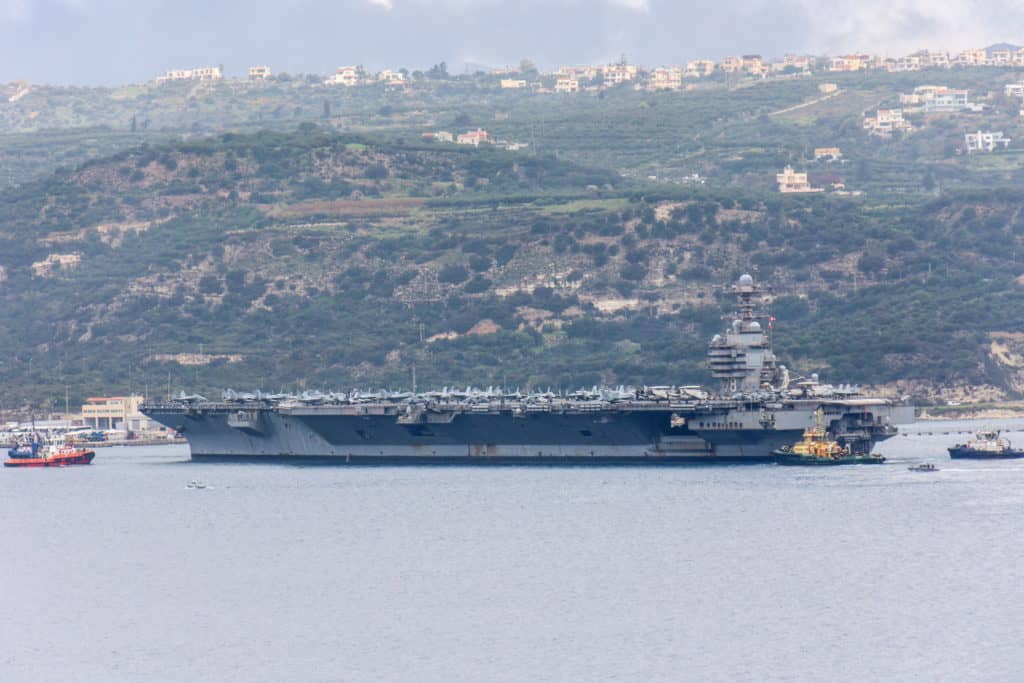
The United States is undertaking a significant strategic realignment, marked by the withdrawal of its last aircraft carrier, the USS George Washington, from its long-standing deployment in Asia. This pivotal move, initiated by President Donald Trump's administration, signals a pronounced shift in American military focus away from the Pacific theater towards pressing concerns in the Middle East and the Western Hemisphere. The USS George Washington is slated for redeployment to the Middle East, where it is anticipated to assume duties currently held by the USS Abraham Lincoln, underscoring a deliberate reallocation of naval power.
Demands of Middle East Operations
This strategic pivot is occurring amidst heightened tensions described by the administration as a "war against Iran," a situation that officials contend is placing unprecedented demands on the U.S. Navy's aircraft carrier fleet. The continuous presence and operational tempo required in the Middle East are reportedly stretching the capabilities and endurance of these vital naval assets. Consequently, the deployment of the USS George Washington to this volatile region represents a critical redistribution of resources, moving a cornerstone of American power projection from the Indo-Pacific to address immediate perceived threats in the Persian Gulf. This prioritization reflects a broader re-evaluation of global threats and the allocation of finite military assets to areas deemed most critical by the current administration, moving away from a traditional forward presence model in certain regions.
Operational Challenges for the USS George Washington
Beyond the overarching strategic considerations driving the U.S. military's global posture, specific operational challenges aboard the USS George Washington have also been cited as contributing factors to its departure from Asia. The vessel, having endured an extended period of deployment in the Pacific, has reportedly faced significant issues related to the mental health of its crew members. Sustained deployments far from home ports, coupled with the inherent stresses of naval service, can profoundly impact sailor well-being, making mental health support a critical component of long-term operational readiness. The administration indicated that these factors necessitated the ship's removal from its current post in the Pacific, acknowledging the human element in sustained naval power projection.
Furthermore, the USS George Washington has encountered persistent supply problems, impacting its ability to maintain peak operational efficiency and the quality of life for those serving aboard. These logistical hurdles, often exacerbated by extended periods at sea and distance from major supply hubs, can affect everything from essential provisions to critical maintenance parts. The cumulative effect of these mental health and supply issues on a long-deployed vessel underscored the need for its withdrawal from the Asian theater, allowing for necessary recuperation and logistical recalibration. This decision highlights the complex interplay between strategic objectives and the practical realities of maintaining a global naval presence.
Altered Power Projection in the Pacific
The withdrawal of the USS George Washington marks a significant alteration in the U.S. military's posture in the western Pacific, leaving the region without one of its key American warships. This reduction in naval presence occurs amidst growing reports of increased aggression from China in the area, creating a notable shift in the regional power balance. The absence of a carrier strike group, a formidable symbol of American military might and a cornerstone of its forward defense strategy, represents a substantial change in how the U.S. projects power and assures allies in Asia.
Absence of Carrier Capabilities
An aircraft carrier, with its accompanying strike group, provides a unique array of capabilities that are now absent from the western Pacific. These include robust air superiority, long-range strike capabilities, intelligence gathering, surveillance, and reconnaissance (ISR), as well as significant humanitarian assistance and disaster relief (HADR) potential. Its presence serves not only as a deterrent to potential adversaries but also as a tangible reassurance to regional partners. The timing of the withdrawal coincides with growing concerns about regional stability, particularly given the perceived assertiveness of China in disputed territories and international waters.
While the administration emphasizes the imperative to address threats in the Middle East and the Western Hemisphere, the departure of the final carrier from Asia has inevitably drawn attention to the potential vacuum in the western Pacific. This move underscores a clear prioritization of resources toward the Iranian theater and other areas over traditional power projection in Asia, at least in terms of carrier deployment. The USS Abraham Lincoln will remain in its current position or be relieved by the incoming George Washington, depending on operational requirements in the Middle East, illustrating the fluid and responsive nature of naval deployments under President Trump's established strategic framework. The long-term implications of this altered presence for regional dynamics and U.S. influence in the Indo-Pacific will be closely observed by allies and rivals alike.