


Questions Raised Regarding Political Devotion
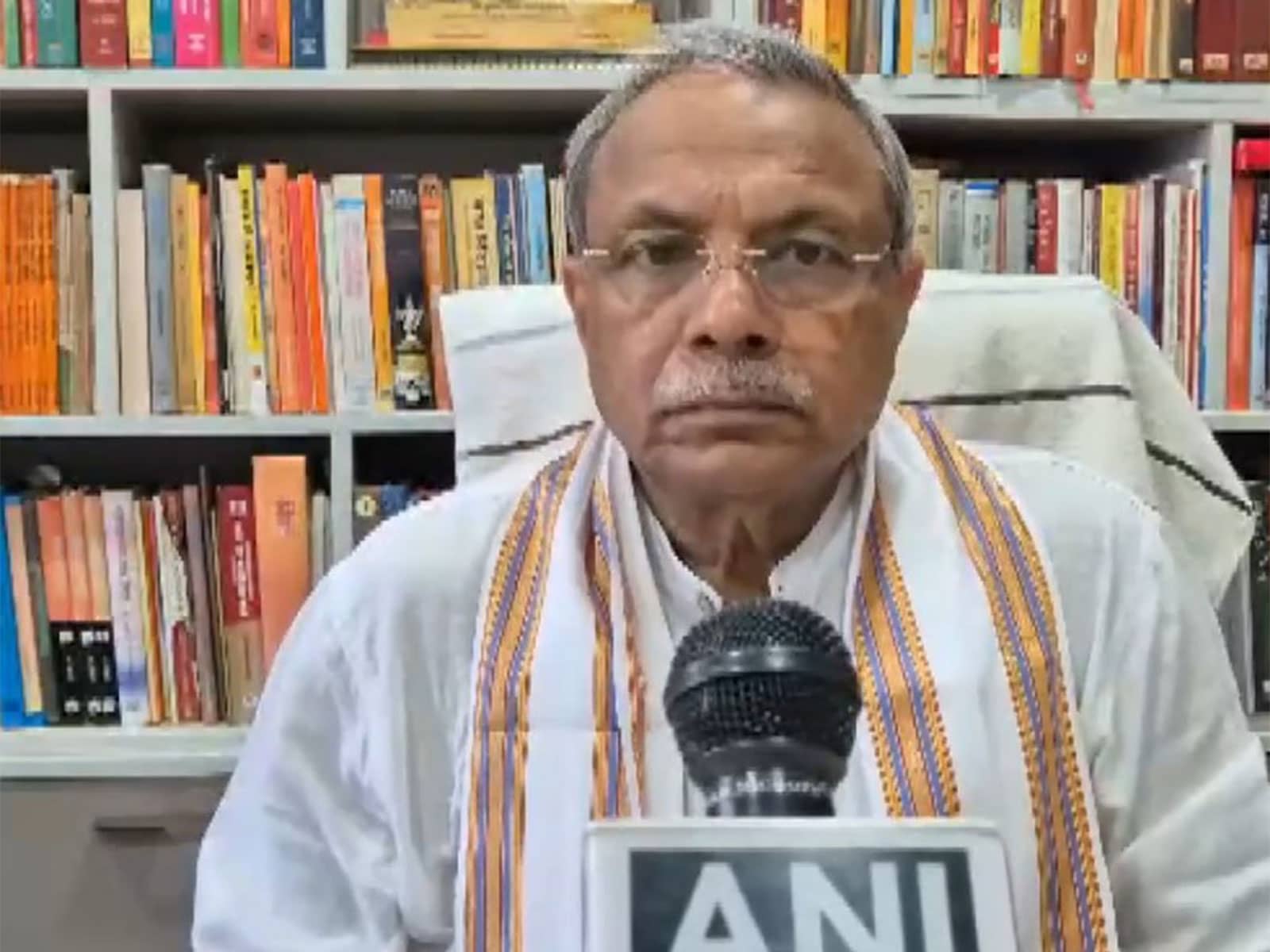
Surendra Kumar Jain, the International Joint General Secretary of the Vishva Hindu Parishad (VHP), has publicly questioned the religious devotion of Samajwadi Party Chief Akhilesh Yadav. The remarks were made in direct response to ongoing controversies surrounding donations for the Ram Mandir project.
During a statement on Sunday, Jain asked whether Yadav had ever paid obeisance to Lord Ram. This inquiry was framed within the broader context of the political discourse surrounding the temple's construction and associated fundraising efforts. The VHP leader’s comments highlight a growing tension between political figures and religious organizations regarding their perceived commitment to Hindu religious causes.
The criticism from Jain marks a significant escalation in the rhetoric surrounding the Ram Mandir donation controversy. By directly challenging Yadav’s personal religious practices, the VHP has moved beyond policy debates into questions of individual faith and political integrity. This approach underscores the deep entanglement of religious identity with contemporary Indian politics.
Resignation of Champat Rai and Moral Responsibility
In addition to criticizing Yadav, Jain addressed the recent resignation of Champat Rai from his position within the Ram Mandir trust. Jain stated that Rai had resigned of his own volition, emphasizing that the former official acknowledged his moral responsibility for the issues at hand.
According to Jain, Rai’s departure was not forced but was a decision taken based on ethical considerations. The VHP leader noted that Rai recognized his role in the matters that led to his exit. This characterization of the resignation stands in contrast to other narratives that may suggest external pressure or political coercion.
Defense of Champat Rai’s Record
Jain further commented on the reactions of politicians who have criticized Rai following his resignation. He suggested that those attempting to cast aspersions on Rai should first examine their own track records and the allegations leveled against them.
"As for those attempting to cast aspersions on him, they ought to look within themselves first," Jain stated. He questioned the integrity of these critics by asking what their political track records were and how many allegations had been made against them. This defense positions Rai’s resignation as a matter of personal moral accounting rather than a failure requiring public condemnation.
The VHP leader’s comments serve to shield Rai from further political attack while simultaneously shifting the focus onto the critics. By highlighting the potential hypocrisy of opposing politicians, Jain attempts to delegitimize the criticism directed at the former trust member. This strategy aligns with broader efforts by religious organizations to protect their associates from legal or political repercussions.
Broader Implications for the Donation Controversy
The comments by Jain come at a critical time for the Ram Mandir project, which has faced scrutiny over its financial management and leadership. The donation controversy has drawn attention to the transparency of funds raised for the temple’s construction and the conduct of those involved in managing these resources.
By linking Yadav’s devotion to the broader issues surrounding the temple, Jain connects political opposition with religious disrespect. This narrative frames the criticism of the temple project not just as a political disagreement but as an affront to religious sentiment. Such framing is often used to mobilize support among devout followers and to pressure political opponents.
The situation reflects the complex interplay between religion and politics in India, where religious symbols and figures are frequently central to political campaigns and public discourse. The VHP’s stance demonstrates its active role in shaping these narratives and holding political leaders accountable to its standards of religious orthodoxy.
Political Reactions and Responses
While Jain’s statements have drawn attention, the response from the Samajwadi Party and Akhilesh Yadav has not been detailed in the immediate reports. The controversy continues to evolve as more information becomes available regarding the Ram Mandir trust’s internal matters.
The debate over the donation controversy remains active, with various stakeholders offering differing perspectives on the responsibilities of political leaders and religious organizations. The VHP’s insistence on moral accountability for both Rai and his critics highlights the high stakes involved in the management of the temple project.
As the situation develops, it is expected that further statements will be made by both the VHP and political parties involved. The outcome of this controversy could have lasting implications for the relationship between religious groups and political entities in India.