

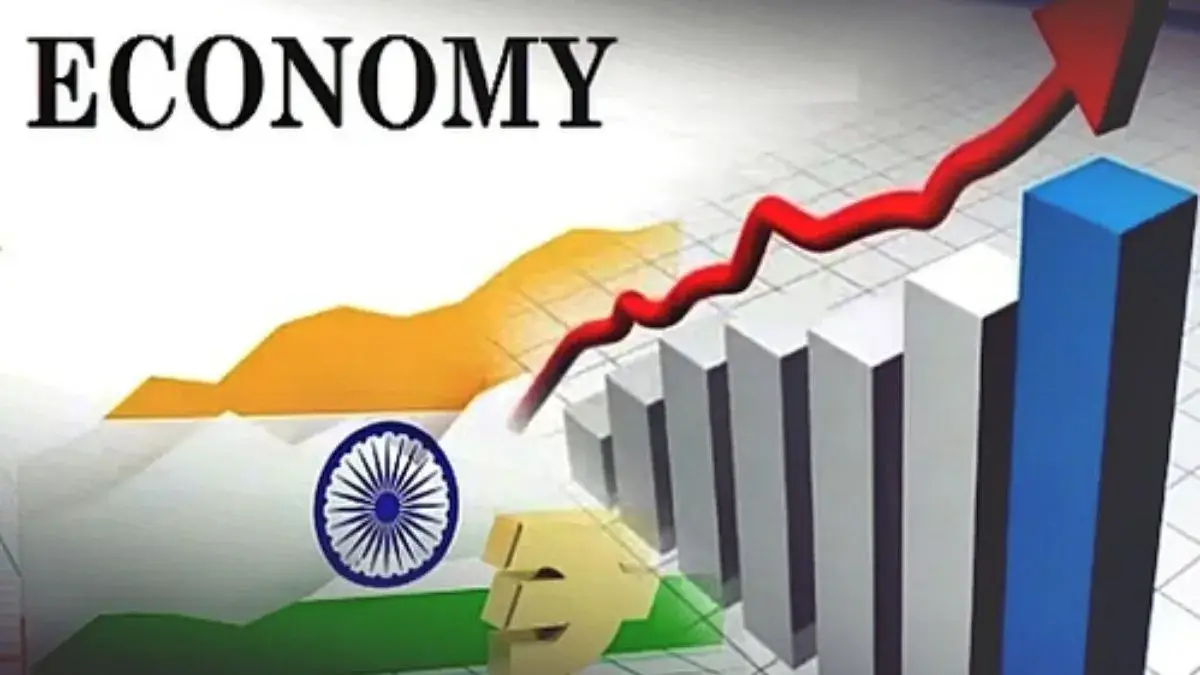

The Long-Standing Narrative of Domestic Resilience
For an extended period, India's economic trajectory has been underpinned by a widely held assumption: that its substantial domestic demand could effectively insulate the nation from the volatility of global economic cycles. This perspective suggested that a large and growing internal market, driven by a burgeoning population and an expanding middle class, would provide a robust buffer against external shocks, allowing the economy to maintain stability even amidst international turbulence.
This narrative gained traction due to several factors. India's vast population of over 1.4 billion people inherently creates a significant consumer base. The ongoing urbanization, rising disposable incomes, and increasing aspirations of a young demographic have historically fueled strong internal consumption across various sectors, from consumer goods to services. Compared to many export-oriented economies, India's relative reliance on domestic consumption has often been cited as a key differentiator, fostering a perception of inherent stability.
Challenging the 'Fragile Shield' Premise
Recent global developments, however, have prompted a re-evaluation of this long-standing assumption, suggesting that this protective mechanism, while significant, may not be as impenetrable as previously believed. The concept of a "fragile shield" has emerged, indicating potential weaknesses in India's economic resilience against a confluence of external pressures, despite its strong domestic demand. This reassessment acknowledges that while internal consumption remains a powerful engine, the interconnectedness of the global economy introduces vulnerabilities that even a large domestic market cannot fully negate.
Global Headwinds and Their Transmission Channels
The past few years have witnessed a series of unprecedented global upheavals, ranging from geopolitical conflicts and persistent supply chain disruptions to elevated inflation and synchronized monetary policy tightening across major economies. These external factors, while seemingly distant, possess multiple channels through which they can impact India's economy, potentially bypassing the domestic demand buffer.
- Energy Import Dependence: India is a significant net importer of crude oil and natural gas. Fluctuations in global energy prices, often driven by geopolitical events or supply-demand imbalances, directly impact India's import bill, current account deficit, and domestic inflation. Higher energy costs translate into increased production expenses for industries and higher transportation costs, which can then feed into consumer prices, eroding purchasing power despite strong demand.
- Global Supply Chain Integration: Despite a focus on domestic production, many Indian industries are deeply integrated into global supply chains, relying on imported raw materials, intermediate goods, and critical components. Disruptions in these chains, whether due to pandemics, trade disputes, or regional conflicts, can lead to production bottlenecks, delays, and increased input costs. This can dampen domestic manufacturing output and investment, even if local consumer demand remains robust.
- Capital Flow Volatility: Global financial markets are highly interconnected. Periods of heightened risk aversion, rising interest rates in developed economies, or geopolitical instability can trigger capital outflows from emerging markets, including India. Such outflows can exert downward pressure on the Indian Rupee, making imports more expensive and potentially increasing the cost of foreign borrowing for Indian companies. This volatility can also impact foreign direct investment (FDI) and portfolio investment, which are crucial for economic growth and job creation.
- Inflationary Pressures: Global commodity price surges, extending beyond energy to include food and industrial metals, can transmit directly into India's domestic economy. Even with strong local demand, if the cost of essential goods and inputs rises due to international factors, it can fuel domestic inflation. Persistent high inflation can erode real incomes, reduce consumer spending power over time, and necessitate tighter monetary policy, which can then cool economic activity.
- Impact on Export-Oriented Sectors: While domestic demand is a primary driver, India's export sector remains a vital contributor to its economy, supporting employment and foreign exchange earnings. A slowdown in global economic growth or recessions in key trading partners can significantly reduce demand for Indian exports, impacting industries such as textiles, engineering goods, and IT services. This can lead to job losses and reduced investment in these sectors, creating localized economic distress that can eventually ripple through the broader economy.
Rethinking Economic Strategy Amidst Global Interconnectedness
The emerging understanding of India's economic vulnerabilities, despite its robust domestic demand, necessitates a re-evaluation of its long-term economic strategy. This shift in perspective moves beyond simply relying on internal consumption as a primary buffer and instead emphasizes the importance of building multi-faceted resilience against external shocks. Policy discourse now increasingly acknowledges that while the domestic market provides a strong foundation, its protective capacity is not absolute in an era of heightened global interconnectedness.
This evolving strategic outlook involves several key considerations. Firstly, there is an intensified focus on enhancing energy security through diversification of import sources, investment in renewable energy, and strategic reserves to mitigate the impact of volatile global oil and gas prices. Secondly, efforts are being directed towards strengthening domestic manufacturing capabilities and fostering greater self-reliance in critical sectors, often referred to as 'Atmanirbhar Bharat' (Self-Reliant India), to reduce dependence on fragile global supply chains for essential inputs and components. This includes promoting local value addition and developing robust logistics infrastructure.
Furthermore, managing capital flow volatility remains a crucial aspect of economic management. This involves maintaining prudent fiscal and monetary policies to ensure macroeconomic stability, which in turn helps attract and retain stable long-term foreign direct investment rather than relying heavily on more volatile portfolio investments. The Reserve Bank of India's role in managing currency fluctuations and maintaining adequate foreign exchange reserves also becomes more pronounced in this context. Lastly, the recognition of imported inflation as a significant challenge underscores the need for agile monetary policy responses and targeted supply-side interventions to stabilize prices, ensuring that the purchasing power of domestic consumers is not unduly eroded by global price shocks. These integrated approaches aim to fortify India's economic structure, acknowledging that a truly resilient economy must be capable of navigating both internal dynamics and external pressures effectively.