


Federal Designation Fast-Tracks Pacific Link Review
The Canadian federal government has designated the West Coast Oil Pipeline, now rechristened as Pacific Link, as a project of national interest. The designation invokes sweeping regulatory powers to fast-track construction of the energy corridor, which is central to Ottawa’s strategy to reduce Canada’s reliance on United States oil and gas markets amid an escalating trade war.
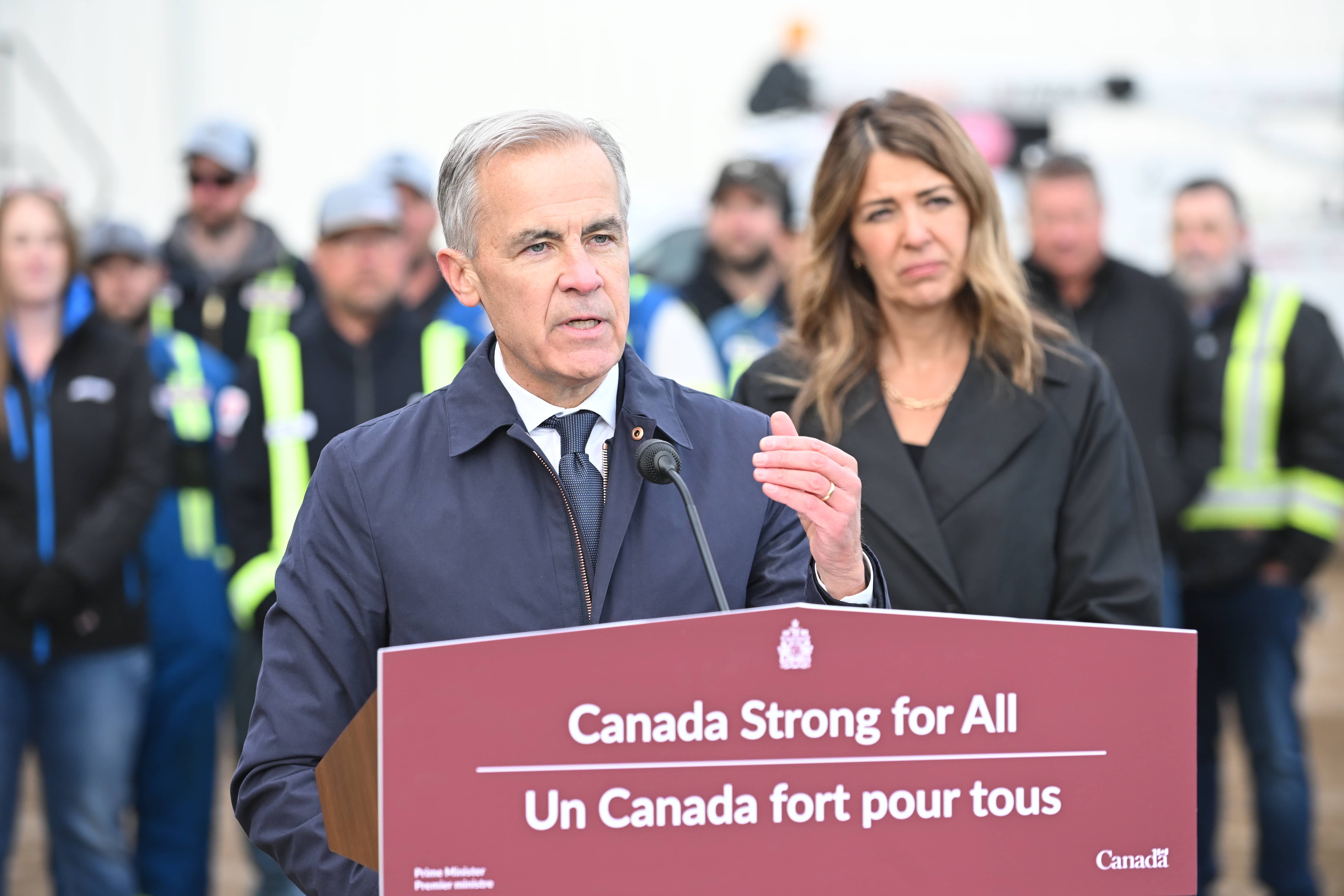
The move initiates a single, streamlined federal review led by the Major Projects Office and the Canada Energy Regulator. Prime Minister Mark Carney stated that the process aims to finalize details of the $35.2 billion to $47.7 billion project by Sept. 1, 2027, clearing the way "to get shovels in the ground," according to National Observer.
Alberta Premier Danielle Smith and Pembina Pipeline CEO Scott Burrows were present alongside Carney in Fort McMurray on Oct. 1, 2026, for the announcement of the project's new status.
Project Structure and Economic Projections
Pacific Link is engineered to transport one million barrels a day of heavy crude from Alberta through southern British Columbia to an expanded marine export terminal at Roberts Bank. The 1,200-kilometre line will be jointly owned by the federal and Alberta governments, with Trans Mountain Corp designated to build and operate the export line.
Pembina Pipeline will contribute private development capital and technical expertise to the project. A minimum 10 per cent equity stake has been earmarked for Indigenous communities as part of the ownership structure.
The federal government estimates the project could add more than $20 billion annually to national gross domestic product and generate over $100 billion in government revenues by 2060. Proponents claim the year-long review focused on final design will create up to 140,000 jobs at peak construction and support 50,000 permanent positions during operations.
Officials state the project would double Canada’s non-US oil and gas exports over the next decade. Pacific Link is a core component of Ottawa’s broader strategy to diversify Canadian exports, alongside LNG Canada’s recently greenlit export terminal.
Political Framing and Environmental Opposition
Prime Minister Carney framed the project as critical to responding to an energy crisis involving affordability, availability, security, and climate change. He cited worldwide demand for crude remaining significant "for decades" even under progressive decarbonization scenarios, presenting a "once-in-a-generation opportunity" for Canada to become a global energy superpower.
However, the federal government’s backing for Pacific Link is contingent on advancing the companion Pathways CCS project, led by the Oil Sands Alliance. This requirement forms part of the "grand energy bargain" signed with Alberta in May, linking the pipeline’s approval to carbon capture infrastructure development.
Critics Warn of Emissions and Regulatory Rollbacks
Critics argue the projects will drive up greenhouse gas emissions and fear environmental and labour laws are being weakened to speed up approvals. The fast-tracked designation has raised concerns among opponents who view the streamlined review process as a bypass of standard environmental safeguards.