

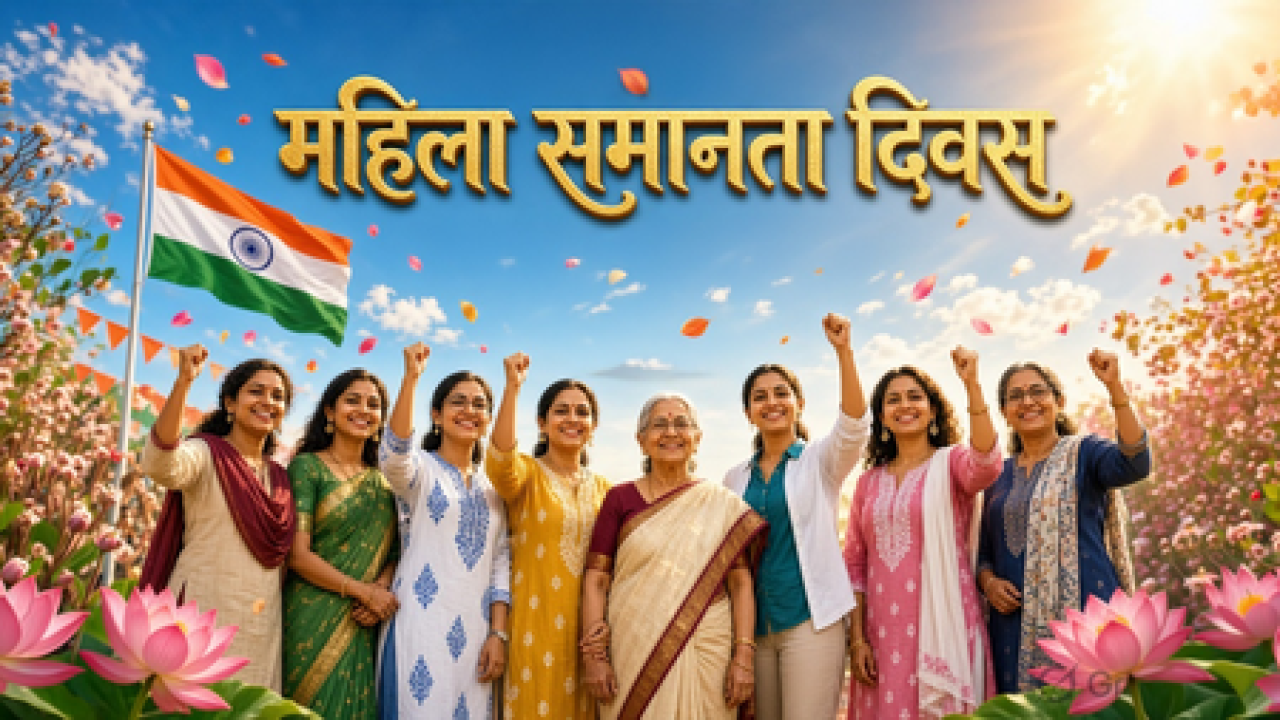

A Day to Recognize Women's Suffrage and Rights
Every year on August 26, Women’s Equality Day is celebrated in India and many other countries, including the United States. This annual observance serves as a dedicated recognition of women’s rights and their historical struggles for equality across the globe. The day specifically commemorates a monumental achievement in the United States: the adoption of the 19th Amendment to the U.S. Constitution in 1920.
The 19th Amendment stands as a cornerstone of women's political participation in America. It unequivocally granted American women the right to vote, a fundamental democratic privilege that had been denied to them for generations. Beyond simply granting suffrage, the amendment also legally prohibits the government from denying voting rights to citizens based on gender. This constitutional change marked a pivotal moment in the legal framework of suffrage for women in the United States, establishing a precedent for political participation regardless of sex and representing the culmination of decades of tireless advocacy by suffragists.
The significance of this amendment extends beyond its immediate impact, symbolizing a broader victory in the ongoing fight for gender equality. Its adoption laid foundational groundwork for future movements advocating for women's full and equal participation in all facets of society, making August 26th a powerful reminder of the progress achieved and the work that still lies ahead.
Formalizing the Observance: A Call for Equality
The official observance of Women's Equality Day began in 1971, more than five decades after the ratification of the 19th Amendment. It was formally established by the U.S. Congress with the explicit purpose of raising awareness about women’s rights and promoting gender equality within society. The creation of this formal day aimed to institutionalize the recognition of women's contributions to society and to highlight the ongoing challenges they face in achieving full equality.
Globally, various events and campaigns are organized around Women's Equality Day to spread the message of gender equality and women’s empowerment. These activities are guided by three main objectives, which underscore the comprehensive nature of the observance.
Global Aims for Gender Parity
The first primary objective of Women's Equality Day is to actively promote equal rights between women and men. This encompasses advocating for legal parity, ensuring equitable opportunities, and challenging discriminatory practices that persist in various spheres of life. The aim is to foster societies where individuals are judged by their capabilities, not by their gender.
Secondly, the day seeks to raise awareness about gender equality in specific, critical sectors. These include education, where equal access and opportunities are vital for development; employment, striving for equal pay and leadership roles; politics, encouraging greater representation and influence; and society at large, addressing cultural norms and biases that impede women's progress. By focusing on these areas, the observance highlights the multifaceted nature of gender inequality and the need for targeted interventions.
Honoring Advocates and Their Legacy
The third primary objective is to honor the struggles and achievements of women’s rights advocates. These individuals, often facing significant opposition and hardship, have historically worked to dismantle legal and social barriers that restricted women's autonomy and participation in public life. Their dedication and perseverance have been instrumental in securing fundamental rights, from suffrage to reproductive rights and equal opportunities in education and the workplace. Women's Equality Day serves as a tribute to their enduring legacy and a reminder that progress is often the result of sustained, collective effort.
India's Focus on Women's Empowerment Initiatives
In the context of India, the celebration of Women's Equality Day extends beyond its American origins to embrace the nation's specific journey toward gender parity. The day pays tribute to numerous laws and government initiatives that are specifically aimed at empowering women within the country. This local focus highlights the distinct legal frameworks and policy measures that have been enacted to address gender disparities pertinent to Indian society.
The current government in India is actively working on various schemes and programs designed to enhance women’s empowerment across different sectors. These initiatives are part of a broader national strategy to integrate women more fully and equitably into the socio-economic fabric of the nation. The emphasis on these schemes reflects a governmental commitment to addressing structural inequalities through legislative action, administrative reforms, and targeted development programs.
Empowerment as a National Imperative
The push for these comprehensive empowerment schemes in India is driven by a specific philosophical perspective regarding national development. It is often stated that a strong society and a prosperous nation can only be built with empowered women. This view posits that gender equality is not merely a social justice issue or a matter of human rights; rather, it is recognized as a fundamental component of national strength, stability, and sustainable progress. When women are empowered, they contribute significantly to economic growth, social development, and political stability.
By implementing these schemes, the government aims to operationalize this belief, translating philosophical commitment into tangible action. The focus remains steadfast on achieving measurable outcomes in key areas such as improved access to education, increased political representation, and enhanced economic participation. These indicators of progress are seen as crucial steps toward realizing true equality and unlocking the full potential of half the population for the benefit of the entire nation.