


Direct Praise for Constitutional Affirmation
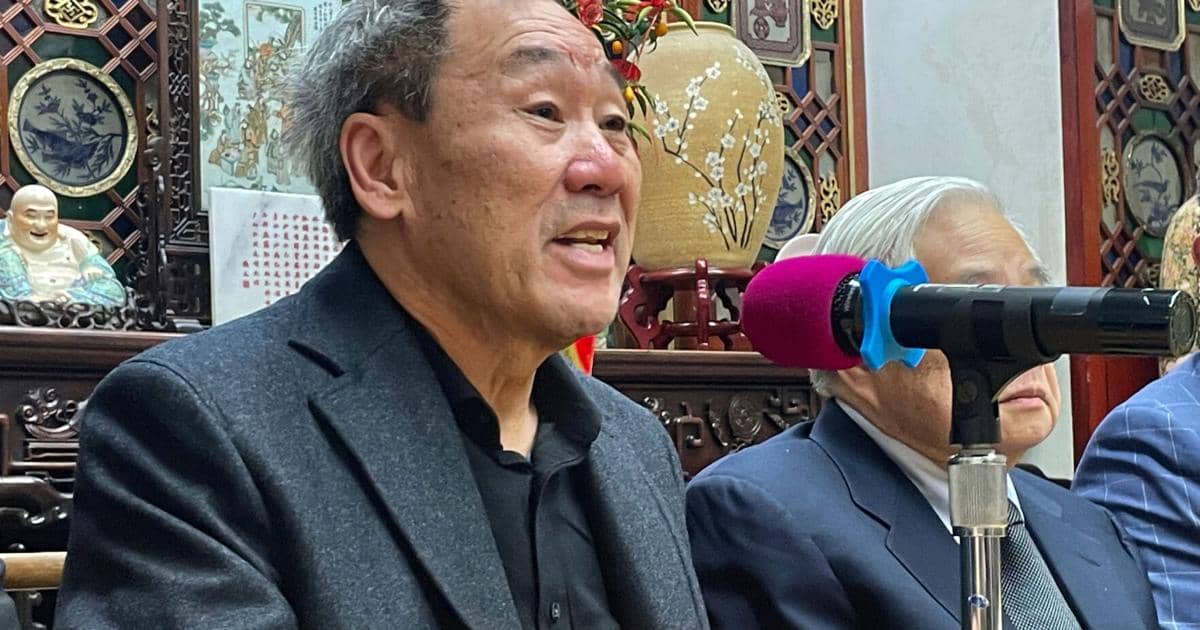
Norman Wong, the great-grandson of Wong Kim Ark, has publicly praised a recent Supreme Court ruling that affirmed the principle of birthright citizenship in the United States. The decision reinforces the constitutional guarantee first established by the U.S. Supreme Court case in which his ancestor was the central figure.
In statements regarding the court's latest action, Wong characterized the outcome as a significant milestone for the nation. He stated that the ruling represents a victory for all Americans, emphasizing the broad impact of the decision on the country's legal and social framework.
The Historical Precedent of Wong Kim Ark
Wong Kim Ark was a Chinese American citizen whose legal battle in the late 19th century set a foundational precedent for citizenship law in the United States. His case, United States v. Wong Kim Ark, reached the U.S. Supreme Court and resulted in a ruling that established the constitutional guarantee of birthright citizenship for children born on U.S. soil to parents who were not citizens.
The original case centered on whether Wong Kim Ark, born in San Francisco to Chinese parents who were subjects of the Emperor of China but permanent residents of the United States, was a citizen under the Fourteenth Amendment. The Supreme Court ruled in his favor, holding that he was a U.S. citizen by virtue of his birth within its jurisdiction.
Continuity of Legal Interpretation
The recent Supreme Court ruling has been interpreted by Wong as an affirmation of the principles laid down in his great-grandfather's case. By upholding the concept of birthright citizenship, the court has maintained the legal standing established over a century ago.
Wong Kim Ark's legacy remains a critical component of American constitutional law. His status as the central figure in the case that first established this guarantee ensures that his name is frequently cited in discussions regarding immigration and citizenship rights.
Implications for Current Citizenship Debates
The affirmation of birthright citizenship by the Supreme Court addresses ongoing legal and political questions surrounding the interpretation of the Fourteenth Amendment. The ruling serves as a check against efforts to alter or challenge the longstanding interpretation that citizenship is granted automatically to those born on U.S. soil.
For Norman Wong, the decision validates the historical struggle of his ancestor. His commentary highlights the enduring relevance of the Wong Kim Ark case in contemporary legal discourse. By describing the ruling as a victory for all Americans, he underscores the universal nature of the rights protected by the Constitution.
Public and Legal Reaction
The reaction to the Supreme Court's decision has been framed by Wong through the lens of historical continuity. He views the current affirmation as a direct link to the past, connecting the modern legal environment with the foundational rulings of the late 1800s.
No opposing party responses were provided in the source material regarding this specific praise or the ruling itself. The available information focuses on Wong's perspective and the historical context of his ancestor's case.
The Enduring Significance of the Ruling
The Supreme Court's decision to uphold birthright citizenship reaffirms a core tenet of American law. It ensures that the interpretation established in United States v. Wong Kim Ark remains intact, preventing any regression in the legal status of those born in the United States.
Norman Wong's identification of the ruling as a victory for all Americans reflects a view that citizenship rights are fundamental and universally applicable. His praise highlights the importance of maintaining consistent legal standards regarding nationality and residency.
Historical Context of the Fourteenth Amendment
The Fourteenth Amendment, ratified in 1868, includes the Citizenship Clause, which states that all persons born or naturalized in the United States, and subject to the jurisdiction thereof, are citizens. The Wong Kim Ark case was pivotal in defining the scope of this clause, particularly concerning children of foreign nationals.
The recent ruling by the Supreme Court has been seen as a reinforcement of this clause's original intent and subsequent judicial interpretation. By upholding the guarantee, the court has effectively closed any potential legal gaps that might have arisen from evolving political or social pressures.
Wong's Perspective on National Unity
Norman Wong's statement that the ruling is a victory for all Americans suggests a belief in the unifying power of constitutional rights. His perspective connects the specific experience of his great-grandfather to the broader national identity.
The case of Wong Kim Ark is not merely a historical footnote but an active part of the legal landscape. Its continued relevance is demonstrated by the Supreme Court's willingness to affirm its principles in modern times.
Legal Stability and Precedent
The affirmation of birthright citizenship provides stability to the legal system. It ensures that citizens are not subject to arbitrary changes in their status based on the political climate or legislative debates.
Wong's praise for the decision reflects a confidence in the judiciary's role in protecting individual rights against potential encroachments. His comments serve as a reminder of the historical struggles that led to the current understanding of citizenship.