


Match Suspended Amid Safety Concerns at Historic Venue
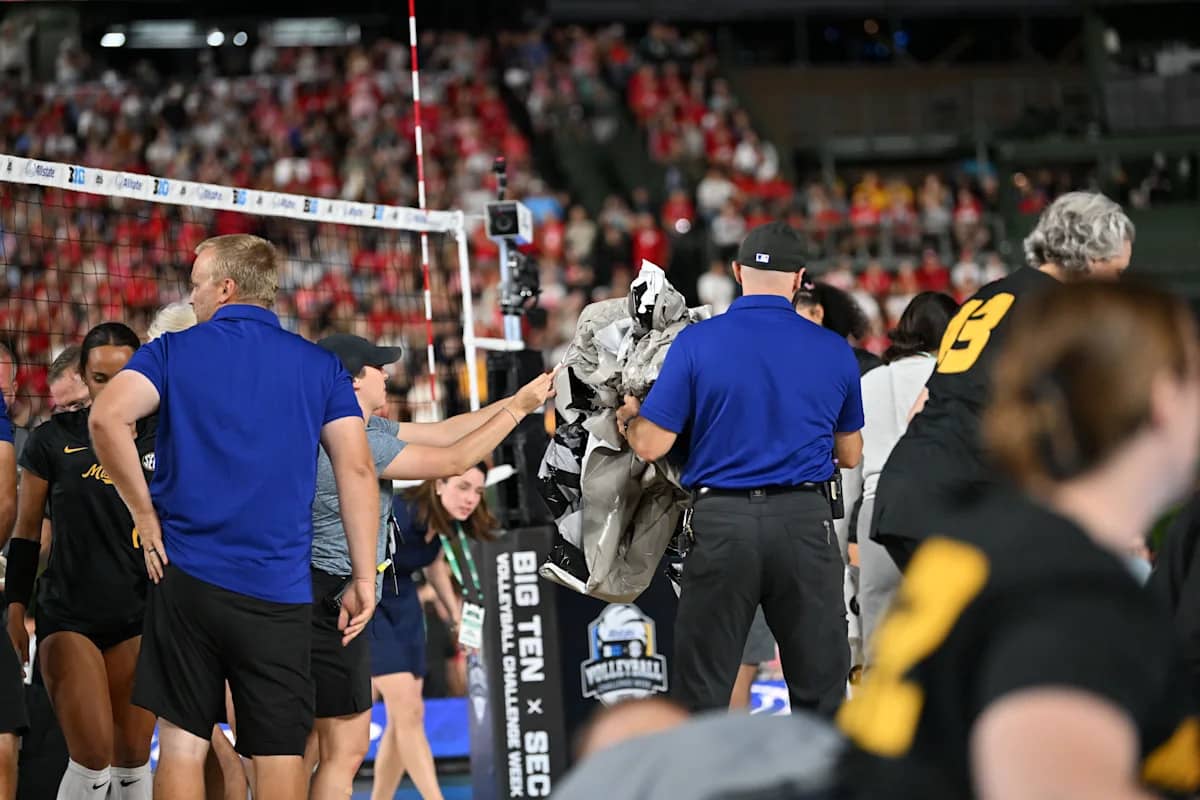
A highly anticipated volleyball match between the University of Missouri and the University of Nebraska at Chicago's iconic Wrigley Field was suspended on Sunday night, September 1, due to unsafe playing conditions. The event, which had drawn a sold-out crowd of 43,067 attendees, faced significant disruptions early in the first set as officials cited excessive moisture on the court, rendering it too slippery for competitive play.
The contest, part of a Labor Day weekend showcase, was poised to be a major primetime event for women’s collegiate sports, highlighting the growing national interest in the sport. However, the environmental factors proved insurmountable. According to reports from USA Today Sports, the match experienced multiple delays as ground crews attempted to dry the playing surface, but these efforts ultimately proved insufficient, leading to the official cancellation of the game without a result.
Wrigley Field, a venue steeped in over a century of baseball tradition, hosted the contest in a unique attempt to bring collegiate volleyball to a wider, non-traditional audience. Despite the innovative setting and the massive turnout, the outdoor environment presented unforeseen challenges. Elevated humidity levels in the open-air stadium contributed significantly to the wet conditions on the court. Players were repeatedly forced to halt play as the slippery surface became a clear hazard, prompting officials to deem it unsafe for continued competition and prioritize athlete safety.
Unpredictable Outdoor Elements Challenge Indoor Sport
The decision to host an indoor sport like volleyball in an outdoor baseball stadium introduced a complex set of variables, primarily related to weather and environmental control. Unlike indoor arenas where temperature and humidity can be precisely managed, Wrigley Field's open design left the playing surface vulnerable to atmospheric conditions. Volleyball, a sport demanding rapid movements, explosive jumps, and quick changes of direction, requires a consistently dry and stable court to ensure both peak performance and player safety.
The excessive moisture on the court created a dangerous environment where athletes could not maintain their footing, leading to what The Sioux City Journal reported as "scary" slips. These incidents, occurring during the attempts to continue play, underscored the inherent risks of adapting an indoor game to an outdoor setting without adequate provisions for moisture control. The integrity of the competition was compromised, as was the well-being of the student-athletes.
Coach Expresses Dissatisfaction with Outdoor Format
Following the suspension, Nebraska volleyball coach Dani Busboom Kelly expressed clear dissatisfaction with the decision to hold the match outdoors. Kelly, whose team was a key participant in the highly anticipated event, stated unequivocally that she is not a fan of outdoor games. She highlighted the inherent difficulties and unpredictable elements that such venues introduce, which can detract from the competitive integrity and safety of high-level collegiate play.
Kelly’s comments reflect broader concerns within the volleyball community regarding the viability of outdoor matches for high-stakes collegiate competition. While the sport has seen a historic rise in interest levels across various metrics, including television ratings and attendance records, logistical challenges persist when attempting to move games into non-traditional, open-air venues. The coach's perspective emphasizes the practical requirements for safe and fair competition over purely promotional considerations.
Impact on Players and the Record Crowd
The abrupt suspension left both teams and the record-setting crowd of 43,067 without a completed game. For the athletes from Missouri and Nebraska, who had prepared for a landmark event, the inability to play to a conclusion was a significant disappointment. Reports indicated that despite the frustration of the delays, the crowd remained remarkably engaged, with some accounts describing impromptu dance-offs between players from both Nebraska and Missouri as they waited for updates on the court conditions, showcasing the spirit of collegiate sports even in adversity.
However, the festive atmosphere could not overshadow the fundamental issue. The inability to complete the match underscored the significant risks associated with hosting indoor sports in open-air stadiums. The event was originally billed as a historic showcase for women's collegiate volleyball, aiming to capitalize on the sport's surging popularity. Ultimately, the outcome was determined not by athletic performance or strategic play, but by uncontrollable weather-related factors, leaving a sense of unfulfilled promise for all involved.
Volleyball's Expanding Reach Encounters Logistical Hurdles
The Wrigley Field match was part of a broader, growing trend to expand volleyball’s reach beyond traditional indoor arenas and into larger, more prominent venues. Women’s sports, in general, have experienced an unprecedented surge in interest levels in recent years, extending well beyond individual athletes to encompass compelling team dynamics and intense national rivalries. Volleyball has been particularly noted as one of the sports seeing significant growth in almost every metric, from viewership to attendance figures.
This ambitious expansion, however, comes with inherent logistical hurdles. The suspension at Wrigley Field serves as a stark case study in the challenges of adapting indoor sports for outdoor environments. While the historic venue provided a unique and appealing backdrop, successfully attracting a massive audience and generating considerable buzz, the environmental conditions ultimately prevented the game from being played to completion. This incident highlights the delicate balance organizers must strike between innovative promotional strategies designed to capture new markets and audiences, and the practical, non-negotiable requirements of safe, competitive play. The reactions from coaching staff, like Nebraska's Dani Busboom Kelly, underscore this tension as the sport continues to seek new avenues for growth.