


XPeng Establishes Commercialization Unit for Autonomous Tech
XPeng Motors is attempting to transform its autonomous driving and smart-cockpit technologies into a standalone licensing business. The company is actively courting automakers, suppliers, and software firms to adopt its systems, expanding beyond its current partnerships. According to a Reuters report, this strategic move targets a broad range of industry participants seeking advanced driver-assistance solutions.
To facilitate this expansion, XPeng established a "strategic commercialisation team" approximately six months prior to the reporting date. This internal unit is tasked specifically with securing licensing agreements for the company’s proprietary technology stack. The initiative marks a shift from solely using these systems in its own vehicles to offering them as third-party products.
No new customers have been officially named in public disclosures. However, XPeng stated that interested parties have already made contact regarding the technology. The potential client base includes foreign software developers, auto suppliers, and carmakers seeking to integrate advanced autonomous features without developing them in-house.
Technology Portfolio Includes Turing Chips and Robotaxi Systems
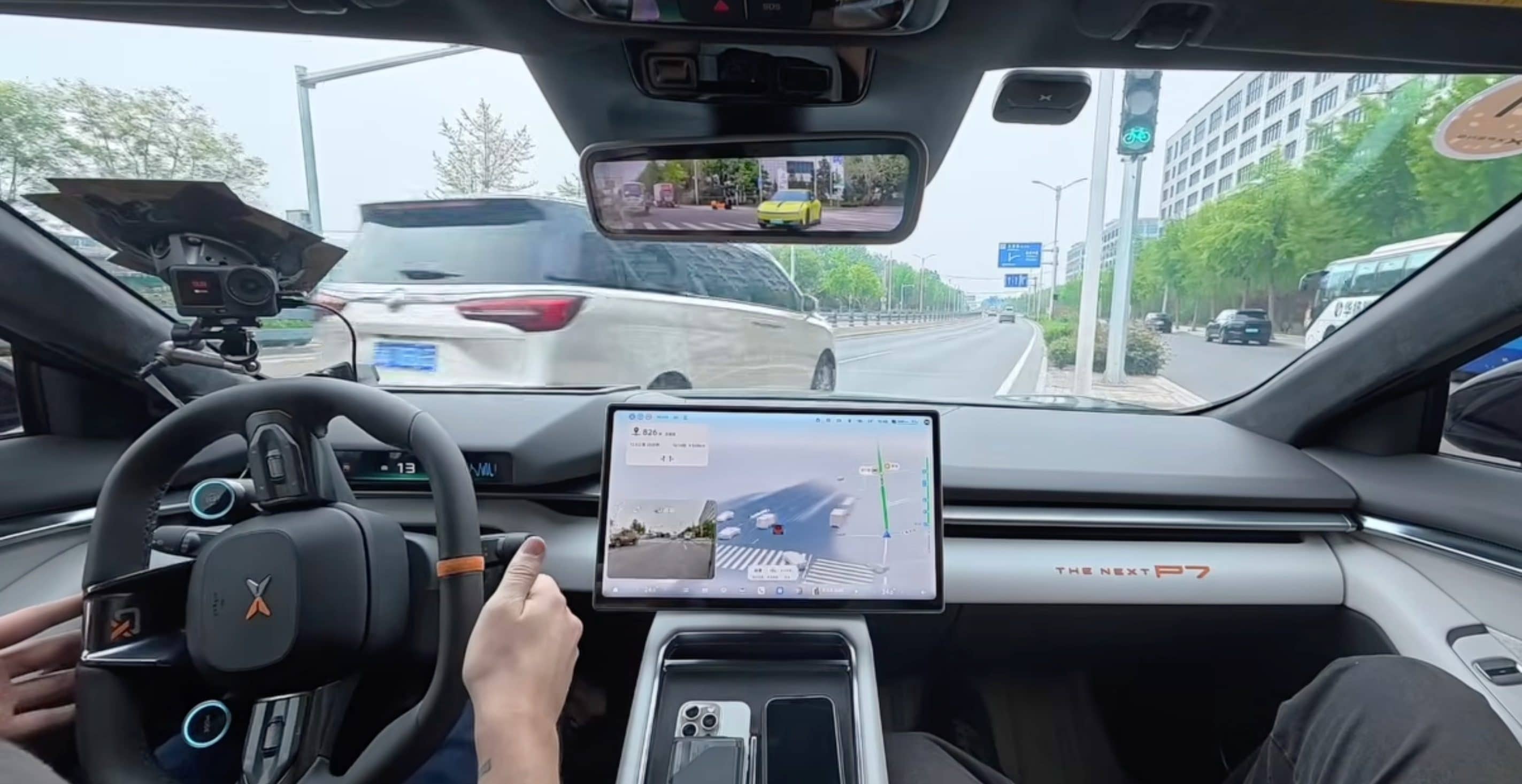
The systems available for licensing encompass a wide array of automotive technologies developed by XPeng. The portfolio includes the company’s electrical and electronic vehicle architecture, which serves as the foundational network for vehicle data and control. Additionally, XPeng is offering its smart cockpit technology, designed to manage in-car entertainment and user interfaces.
Hardware components are also part of the licensing deal. XPeng is making its in-house Turing AI chips available to partners. These specialized processors are designed to handle the computational demands of autonomous driving tasks. The software offerings include advanced driver-assistance systems (ADAS) and full autonomous-driving software suites.
The scope of the licensing agreement extends beyond traditional vehicle components. XPeng is also offering its work in robotaxi operations and humanoid-robot development to interested parties. This broadens the potential application of the technology beyond standard passenger vehicles into service robotics and autonomous mobility networks.
Volkswagen Partnership Serves as Operational Blueprint
The template for XPeng’s licensing strategy is its existing partnership with Volkswagen Group. Volkswagen invested roughly $700 million in this collaboration, which allows the German automaker to utilize XPeng’s technology in its electric vehicles. This financial and technical arrangement provides a precedent for how other companies might engage with XPeng’s commercialization efforts.
The success of the Volkswagen deal demonstrates the viability of XPeng’s technology in a global market context. It validates the company’s approach to integrating autonomous systems into mass-produced vehicles. Other automakers may view this partnership as an indicator of the technology’s reliability and scalability.
Contrast With Tesla’s Autonomous Driving Strategy
XPeng’s current strategy mirrors a long-standing pitch by Tesla Inc. for its "Full Self-Driving" (FSD) technology. Tesla has sought to license its autonomous driving software to other automakers for several years. The company has attempted to establish itself as a supplier of autonomous technology in addition to being a vehicle manufacturer.
However, the market response to the two companies differs significantly. According to reports, Tesla has found no takers for its FSD licensing pitch. Despite extensive efforts by Tesla to commercialize its autonomous software, other automakers have not adopted the technology. In contrast, XPeng is currently generating market interest with a similar business model.
This divergence highlights different receptions of Chinese and American autonomous driving technologies in the global supply chain. While Tesla’s approach has not resulted in licensing agreements, XPeng’s strategy is attracting inquiries from potential partners. The difference lies in the current level of commercial engagement rather than the conceptual framework of the technology itself.