

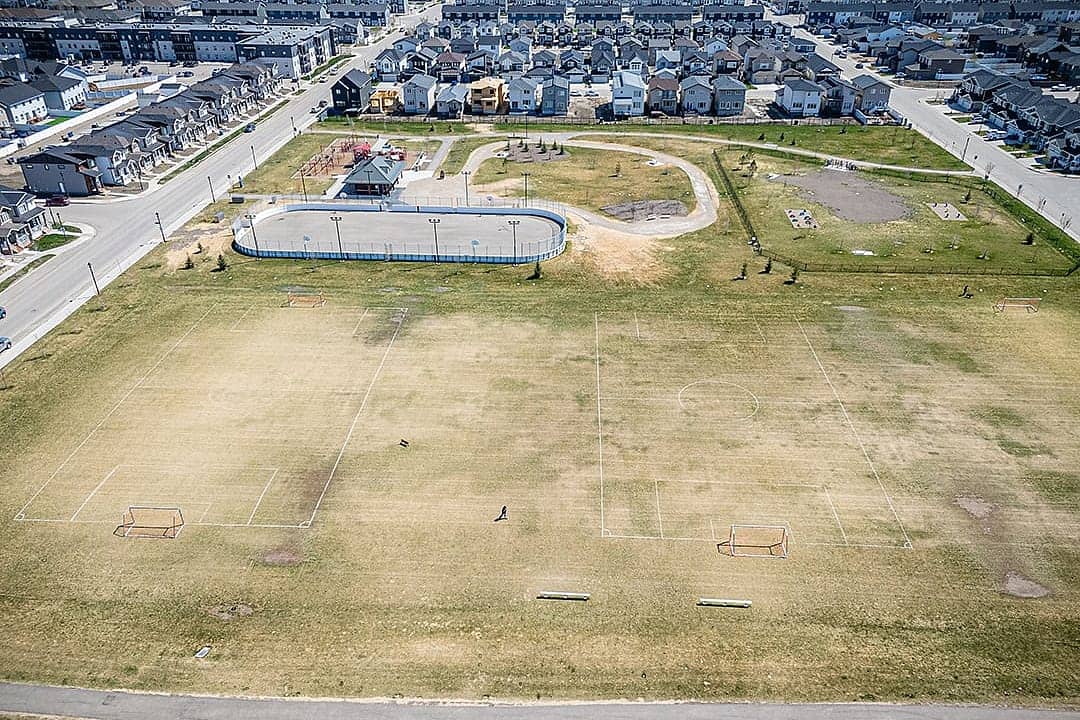

Youth Sports Fields Facing Unprecedented Playability Challenges
Access to athletic fields for youth sports has become increasingly scarce across the nation, a growing concern highlighted by recent reports. Young athletes, accustomed to competing against opponents on the field, are now finding themselves in a different kind of competition – one for the very ground beneath their feet. The struggle is less about outmaneuvering an opponent and more about securing a safe and playable surface for practice and games.
This escalating scarcity is not an isolated incident but a widespread issue affecting numerous communities. The infrastructure necessary to support the burgeoning popularity of youth athletics is buckling under significant operational strains. Reports indicate that the fight for usable fields has transformed from a logistical inconvenience into a daily reality for many organizations, shifting their focus from athletic development to the sheer survival of their programs and facilities.
Recreation Centers Grapple with Staffing Shortages and Maintenance Deficits
A critical factor contributing to the deterioration of playing surfaces is the severe staffing shortages plaguing both nonprofit and municipal recreation centers. These organizations, often the backbone of community sports, are finding themselves understaffed and ill-equipped to manage the essential upkeep of local sports grounds. The consequences of these personnel deficits are far-reaching, directly impacting the quality and availability of fields for young athletes.
The Widening Field Maintenance Gap
The ongoing shortage of qualified staff has created a significant and widening gap in the crucial area of field maintenance. Recreation centers are struggling to keep pace with the demands of maintaining their sports grounds, a task that requires consistent attention and skilled labor. Without adequate staffing levels, fundamental tasks such as regular mowing, precise line painting, and timely surface repairs are either delayed indefinitely or not addressed at all. This neglect leads to a gradual decline in the quality of the playing surfaces, making them less safe and less appealing for organized sports.
Compounding Pressures from Increased Demand
These persistent maintenance challenges are exacerbated by a concurrent and significant rise in the demand for youth sports participation. As more children and families seek to engage in organized athletic activities, the pressure on existing facilities intensifies. The combination of higher usage rates – more practices, more games, more teams – and the insufficient staff to manage the upkeep creates a detrimental compounding effect. This cycle of increased wear and tear coupled with reduced maintenance capacity inevitably leads to the degradation of playing surfaces, further limiting their usability and contributing to the overall scarcity of playable fields.
The Ripple Effect on Youth Sports Participation and Safety
The inability of recreation centers to adequately maintain playable surfaces has a direct and profound impact on community athletics. When sports grounds fall into disrepair due to staffing constraints and increased usage, they become less suitable for competition and practice. This deterioration not only affects the aesthetic appeal of the fields but, more importantly, compromises player safety. Uneven surfaces, poor drainage, and inadequate turf can increase the risk of injuries, from minor sprains to more serious accidents.
Consequently, the scarcity of well-maintained fields limits opportunities for young athletes. Teams and leagues struggle to find available slots for their schedules, and the quality of the available facilities may not meet the standards required for safe and effective play. This situation can stifle participation, discourage new entrants into sports, and place an undue burden on the few organizations that manage to keep their fields in acceptable condition. The challenge is not merely about aesthetics; it's about ensuring that the infrastructure supporting youth sports is robust enough to meet demand and, crucially, to protect the well-being of the young people who use these facilities.
Attribution of Findings
The information presented regarding the scarcity of athletic field access for youth sports and the operational difficulties faced by recreation centers is derived from reporting by Stacker. This specific report, titled "Why youth sports fields are struggling to stay playable," was published by KVIA on September 18, 2026. The original article attributes the core issues driving these challenges to widespread staffing shortages within recreation departments and the continuously increasing demand for youth sports programming.