

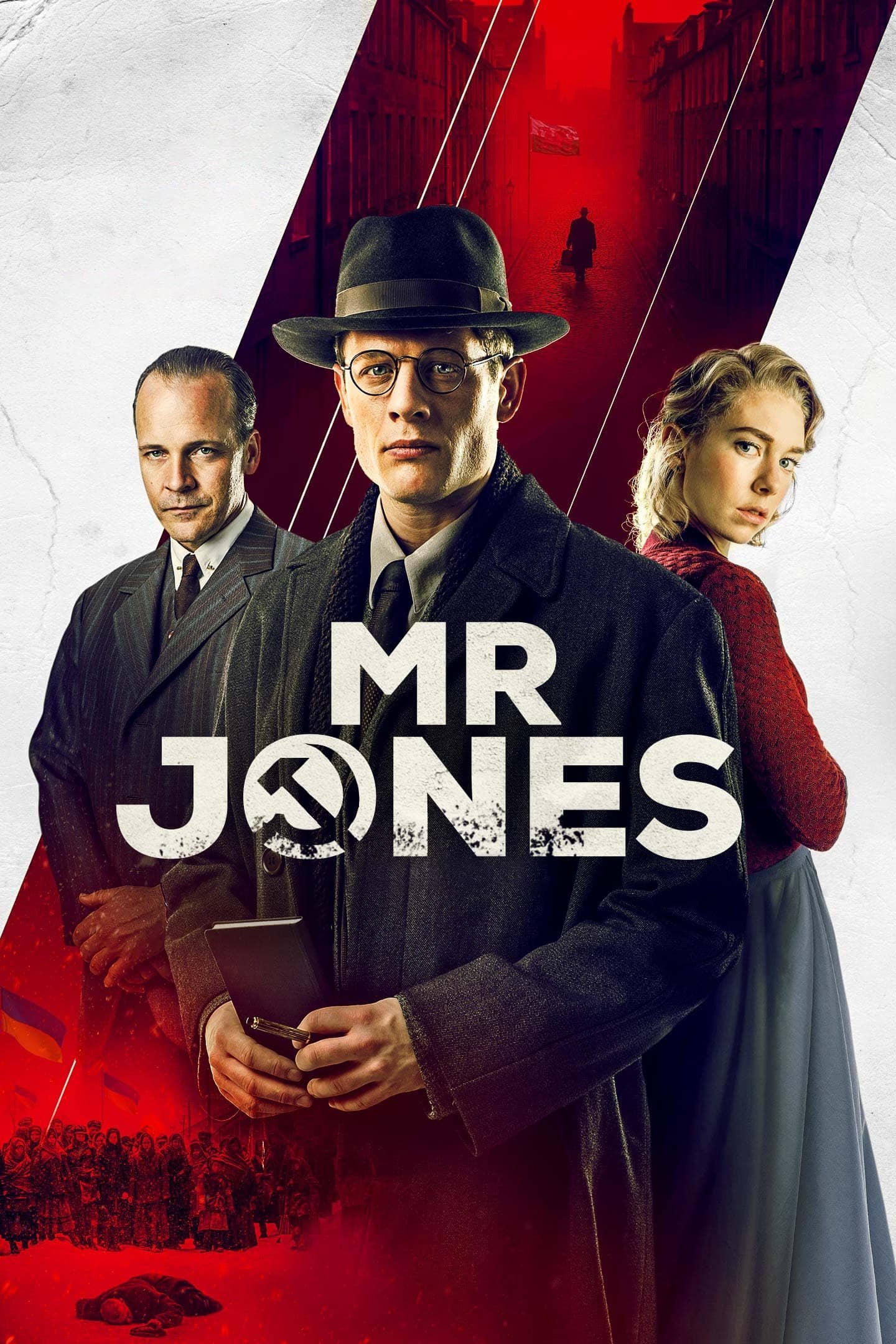
Mr. Jones
In 1933, Welsh journalist Gareth Jones travels to Ukraine, where he experiences the horrors of a famine. Everywhere he goes he meets henchmen of the Soviet secret service who are determined to prevent news about the catastrophe from getting out. Stalin’s forced collectivisation of agriculture has resulted in misery and ruin—the policy is tantamount to mass murder.
Director(s)
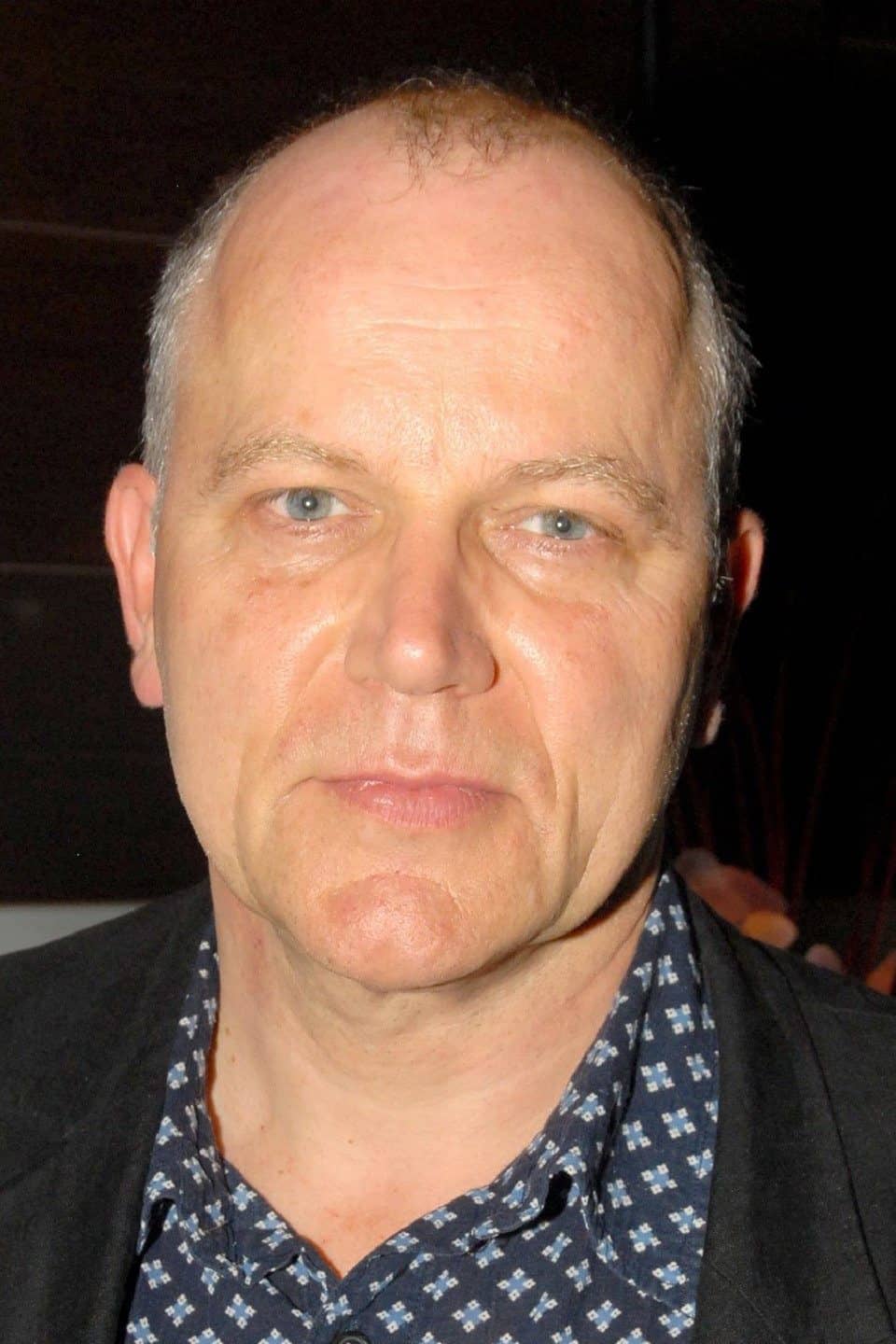
Martin Latallo
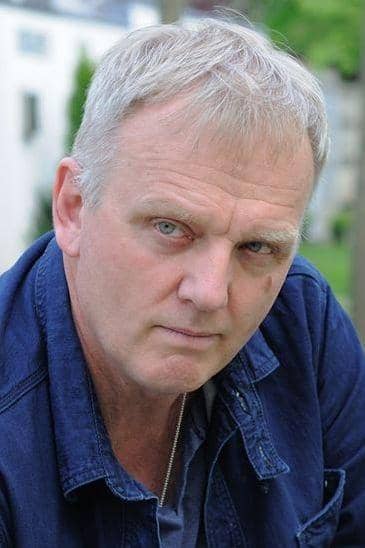
Olga Chajdas
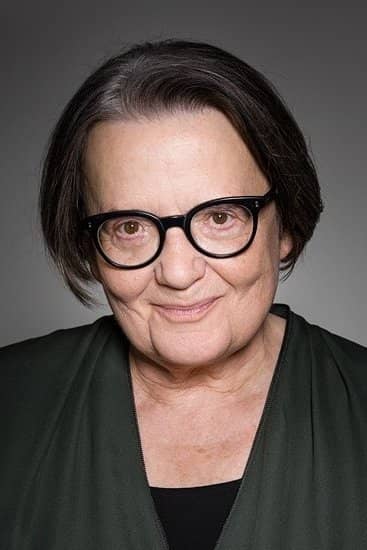
Agnieszka Holland
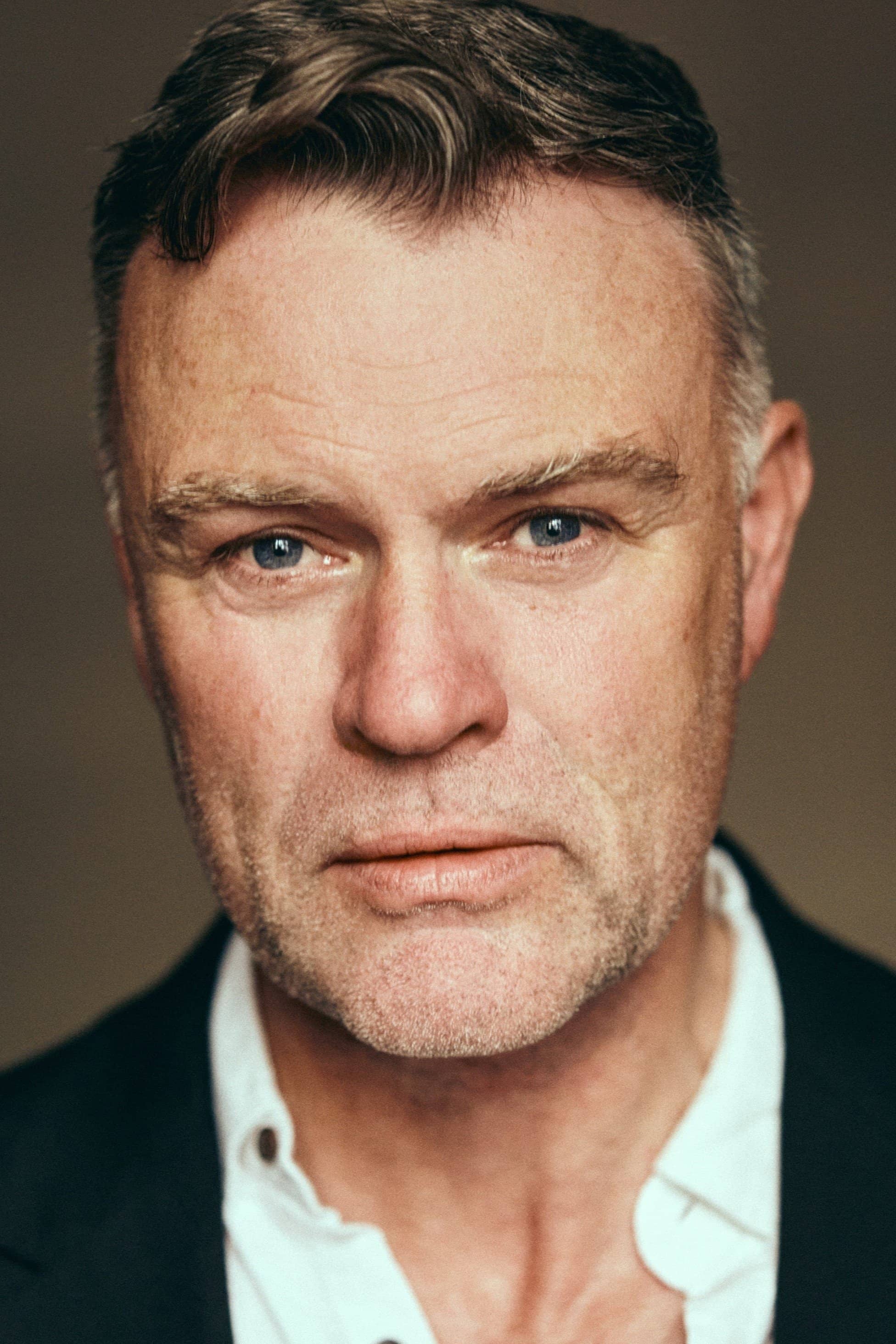
Karolina Foltyn
Where to watch

Apple TV Store
Rent

Google Play Movies
Rent

YouTube
Rent

Amazon Video
Rent
Apple TV Store
Buy
Google Play Movies
Buy
YouTube
Buy
Cast & Crew






Details

Reviews
SWITCH.
A taut and stark thriller, one part espionage, one part survival, this is an extremely powerful true story, and one that has generally slipped under the radar. We are lucky that someone as talented as Agnieszka Holland took the helm of 'Mr Jones'. - Jake Watt Read Jake's full article... https://www.maketheswitch.com.au/article/review-mr-jones-a-chilling-true-story
CinemaSerf
James Norton delivers really quite well here as the journalist who stumbles upon and exposes one of the worst atrocities of Stalin's Soviet regime. Deep amidst the poverty-stricken Steppe, he gradually becomes aware that the dissolution of the traditional small-holding style of family farm in favour of the creation of potentially more yielding grand scale operations is failing - and failing badly. Needless to say, this isn't news that the authorities wish to be conveyed to the wider world, and so his exploration becomes steadily more perilous. Fortunately, he has a degree of diplomatic status and he does try to be fair with his reporting. On the face of it, the plan had merits - greater space to exploit, centralised harvesting, centralised everything, basically. What went wrong? Well, those aspects of "Holodomor" as it became known aren't really explained so well here, so at times the lack of recorded fact leaves the historical elements frustratingly scantily dealt with. Still, the dramatic ones work well with Peter Sarsgaard on good form as is Vanessa Kirby and the clearly rather more objective approach to this tragedy taken by director Angieszka Holland presents us with the template of a catastrophe and let's us reach some conclusions about complicity of and/or the domination of a doctrine for ourselves rather potently. The effects and results are there, but the causes - well maybe that's not so straightforward than propagandists on either side might prefer us to think. It's largely filmed on location and that, paired with some intimate photography and a persuasive score from Antoni Lazarkiewicz, adds a richness to this story and delivers up a film that provokes thought and ought to stoke an interest in a famine that's probably little known of nowadays.
All Trailers

Mr. Jones FAQs
The directors of Mr. Jones are Martin Latallo, Olga Chajdas, Agnieszka Holland, and Karolina Foltyn.
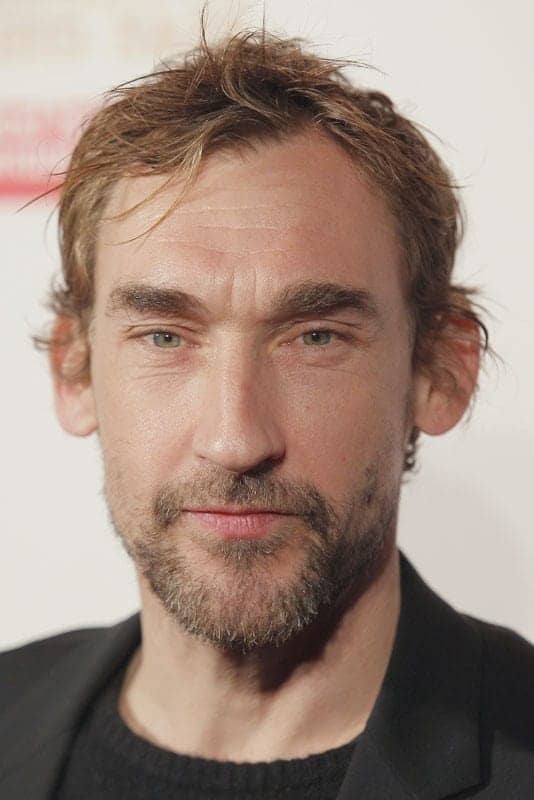
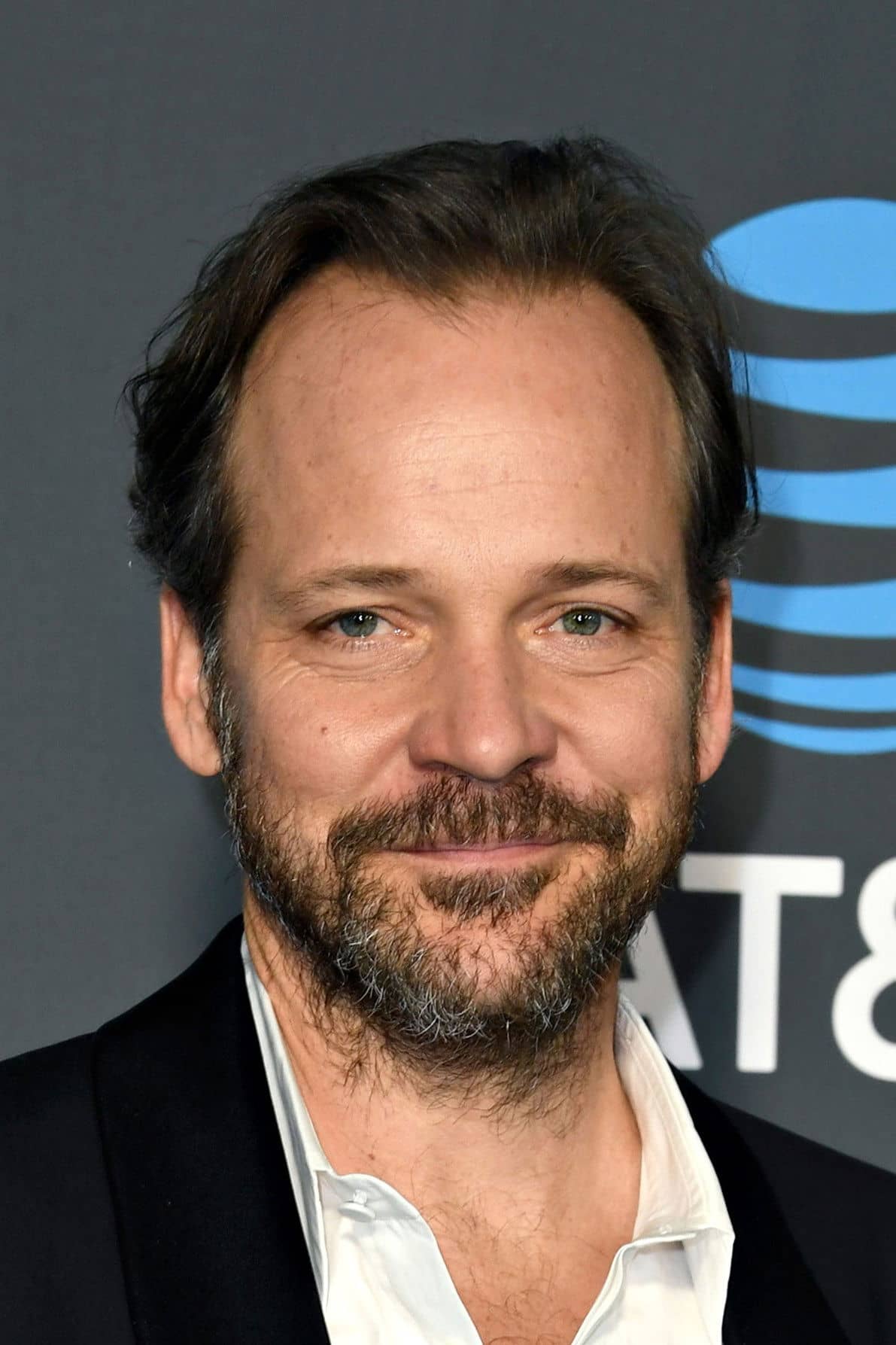
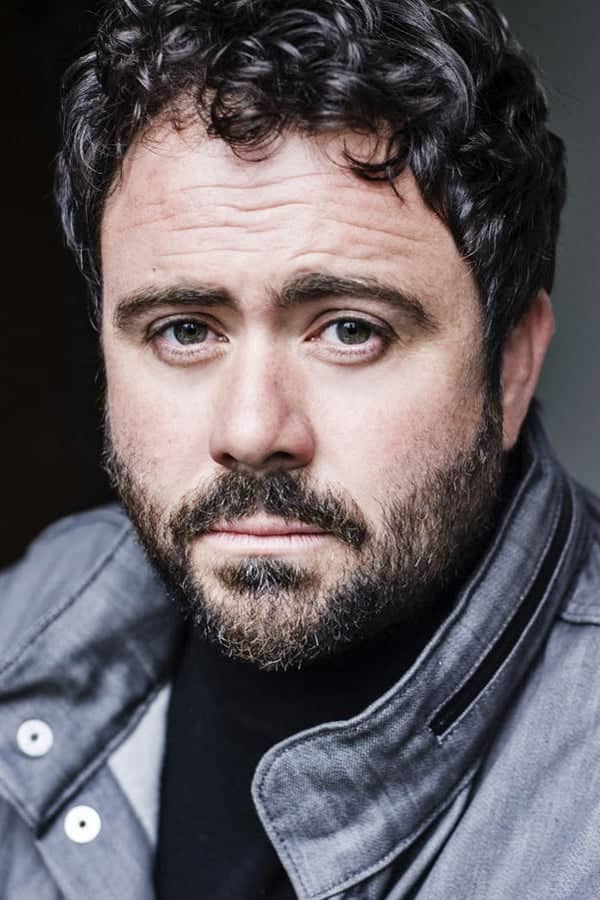
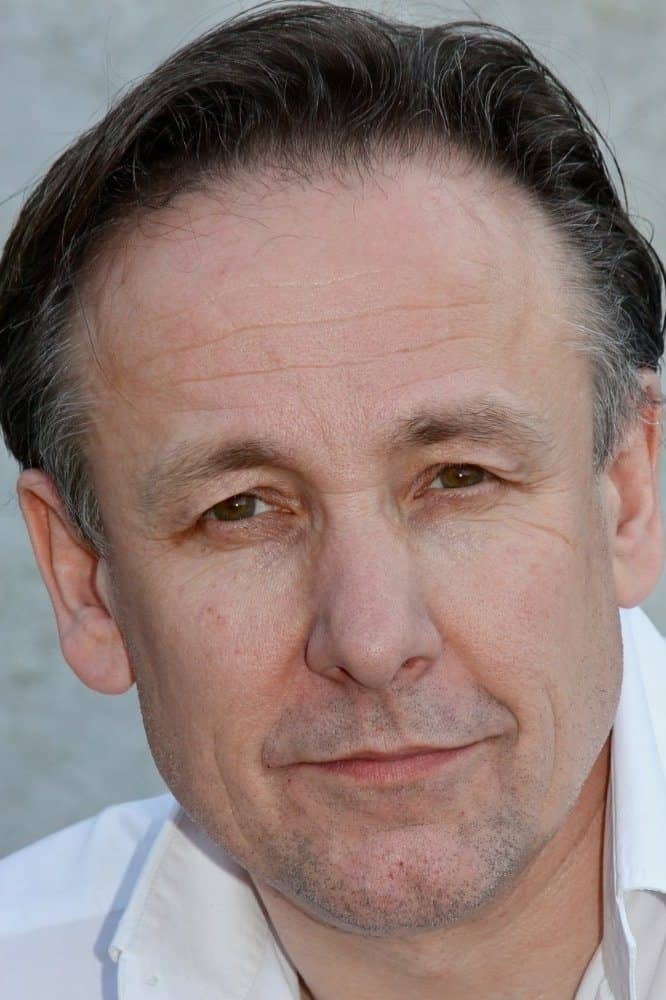
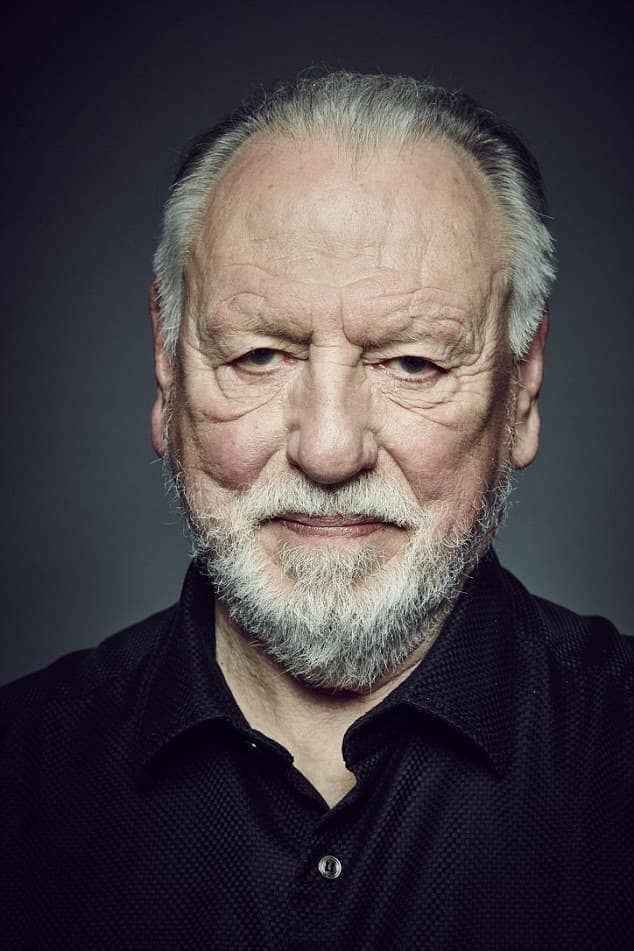
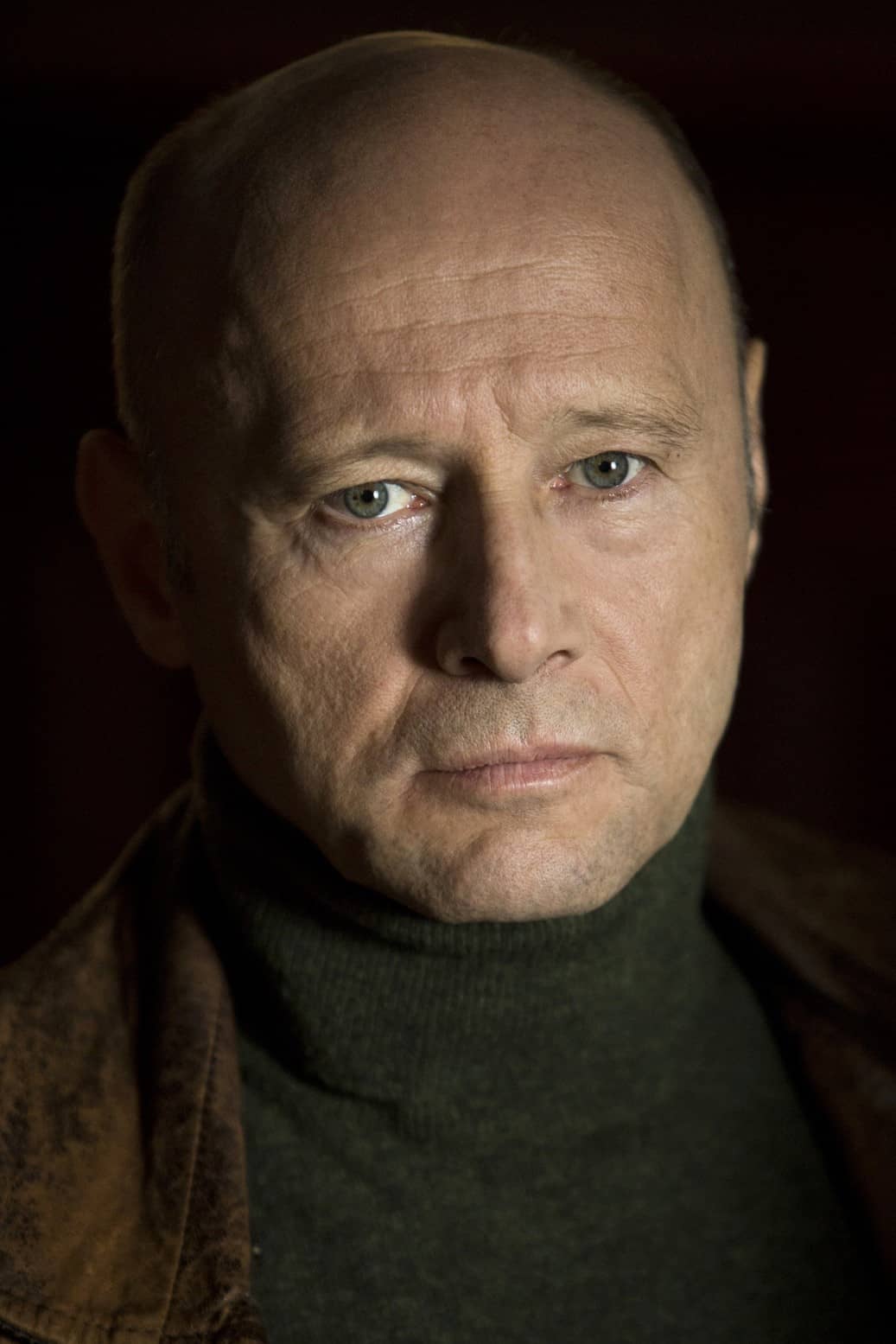
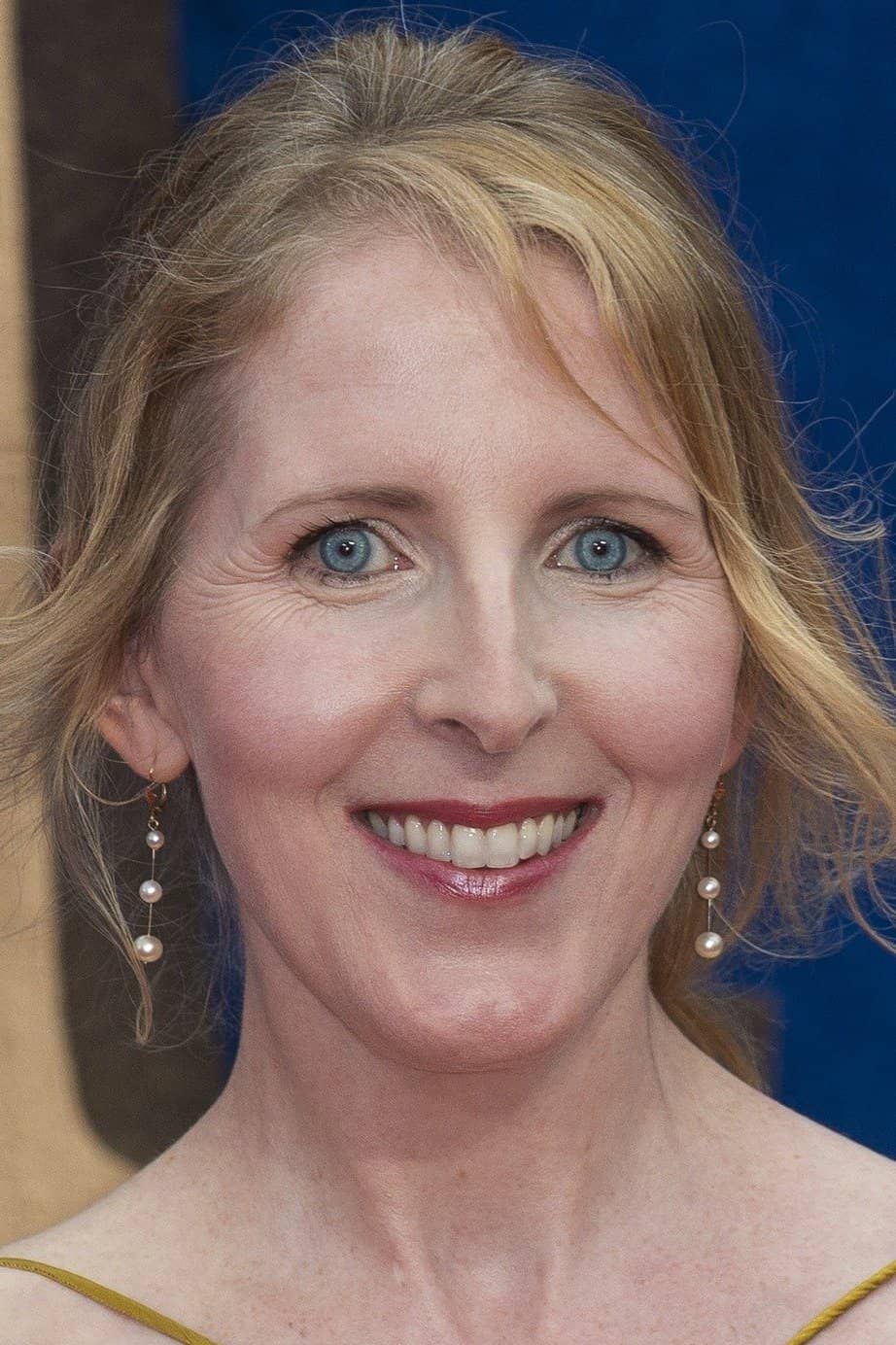
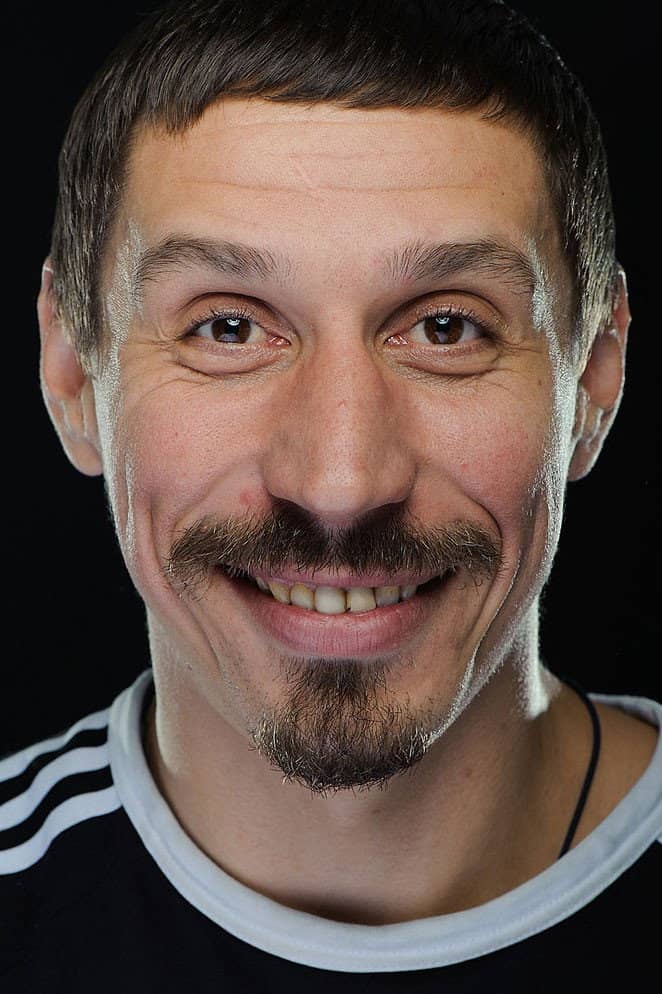
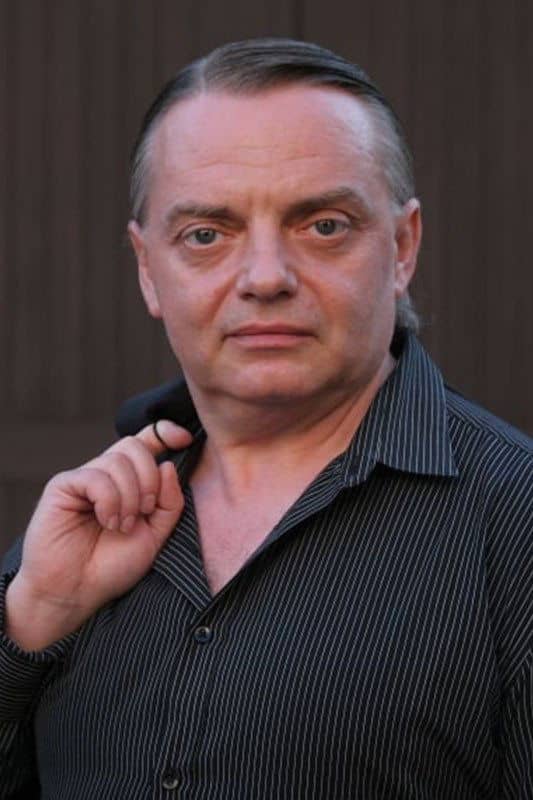
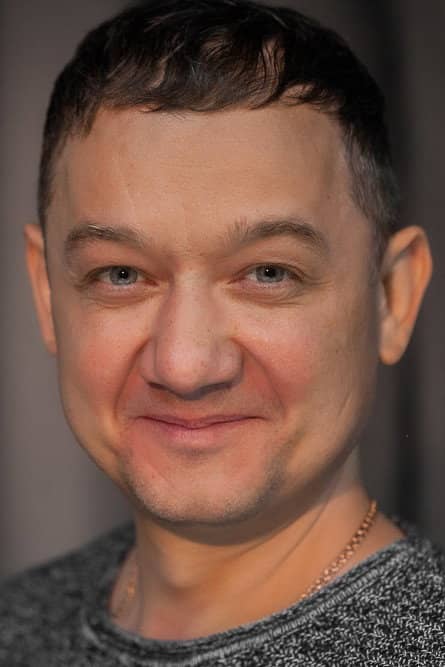
The cast of Mr. Jones includes Joseph Mawle as George Orwell, James Norton as Gareth Jones, Peter Sarsgaard as Walter Duranty, Celyn Jones as Matthew, Kenneth Cranham as Lloyd George, Krzysztof Pieczyński as Maxim Litvinov, Fenella Woolgar as Miss Stevenson, Matthew Marsh as William Randolph Hearst, Vanessa Kirby as Ada Brooks, Oleh Drach as Leonid, Julian Lewis Jones as Major Jones, Beata Pozniak as Rhea Clyman, and more.
The duration of Mr. Jones is 1h 59 mins.
Yes. You can watch the Mr. Jones trailer on this Fanbiz page on Fanziz.
You can watch Mr. Jones on Apple TV Store (Rent), Google Play Movies (Rent), YouTube (Rent), Amazon Video (Rent), Apple TV Store (Buy), Google Play Movies (Buy), and YouTube (Buy). Check this Fanbiz page for the latest platforms.
Mr. Jones was released on 03 Oct 2019.
Mr. Jones is listed under Thriller, Drama, and History on Fanbiz.
Mr. Jones has 2 reviews on Fanziz, with an average rating of 7.5/10. One reviewer wrote: "A taut and stark thriller, one part espionage, one part survival, this is an extremely powerful true story, and one that has generally slipped under the radar. We are lucky that..."
