

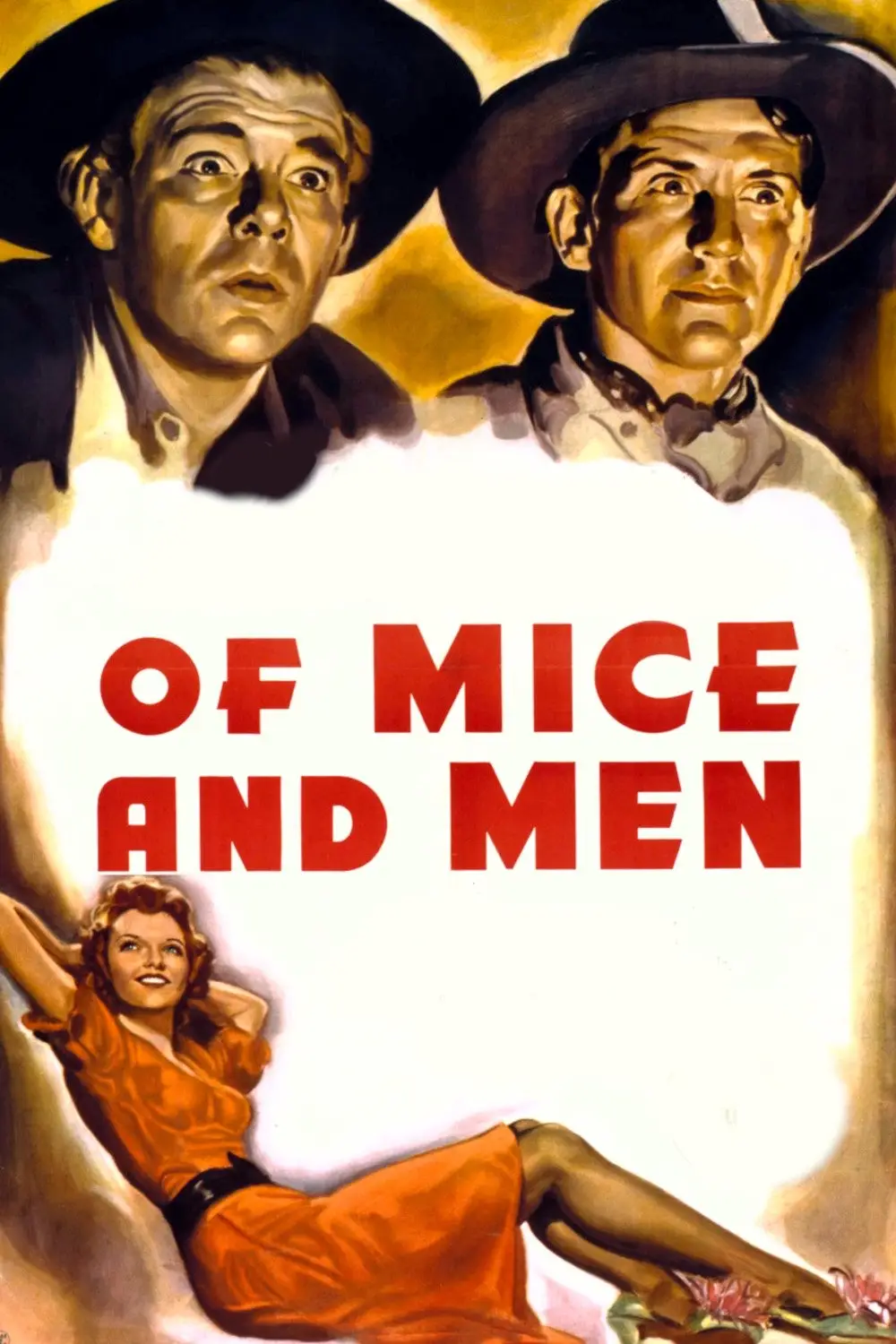
Of Mice and Men
An intellectually disabled giant and his level headed guardian find work at a sadistic cowboy's ranch in depression era America.
Director(s)
Lewis Milestone
Where to watch

Artiflix
Subscription
Cast & Crew
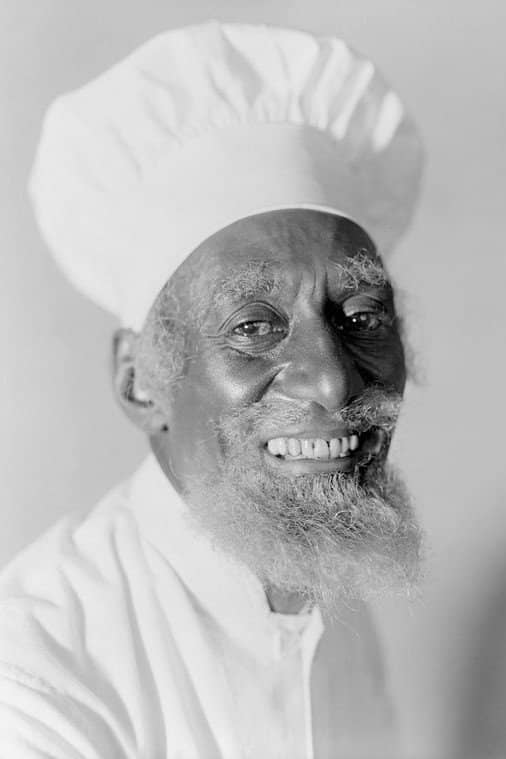

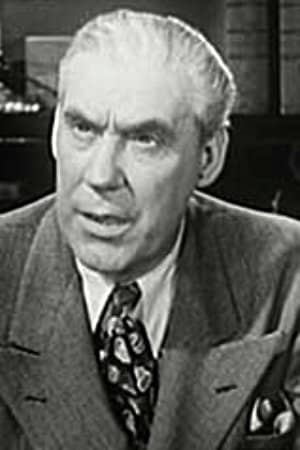
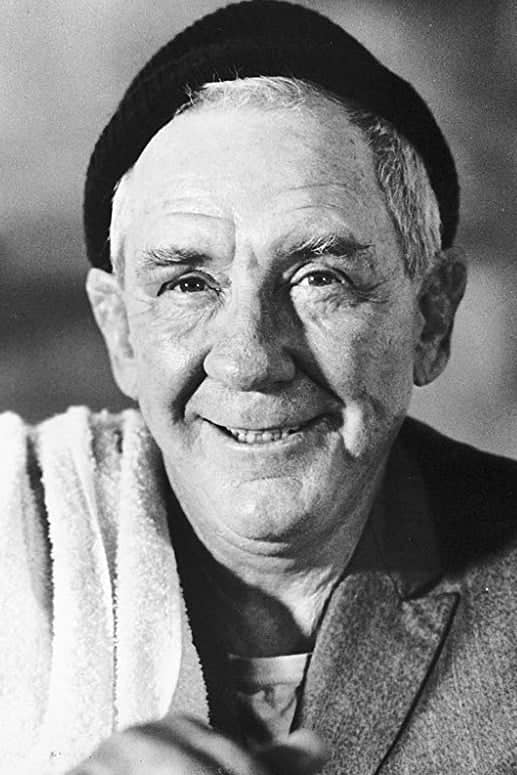




Details

Reviews
JF1017xyz
This movie version of Steinbeck's short novel, Of Mice and Men, is stellar. It stays very close to the original story, and fills out the characters in the book very nicely. Lon Chaney Jr. plays Lennie, who is simple-minded, trusting and sees the world in black and white terms. Burgess Meredith plays George, his companion and caretaker, who alternates between cruelty and tenderness in his treatment of Lennie. The two are constantly on the move, as Lennie "always does bad things" that get both into trouble. Tragedy is inevitable when Curly's wife tries to make friends with Lennie, and his actions toward her are misinterpreted as an attack. Lennie's strength and inability to read people are what make him "do bad things." One of the dominant themes in the movie has to do with the value of life, both human and animal. Many of the main characters in the story are what could be termed "throwaways" - one is black and crippled, another has only one arm, Lennie is intellectually disabled, Curly's wife comes from a broken home and is damaged by emotional abuse, and Curly, the rancher's son, is short and physically unimposing. As we glimpse into the lives and personalities of the characters, we see that each one has good points - Lennie tries to see goodness in everyone, loves creatures that are gentle and throws his trust toward anyone who shows him some decency. One-armed Candy is compassionate toward anything with limitations; he sees the way he'll eventually be treated when one of the ranch managers convinces him it's best to shoot his crippled, blind old dog. Crooksie, the black cripple, understands what it is to be an outcast. Mae wants to feel as though she's worthy of being loved, and George enjoys being needed and feels respected and responsible, not just for Lennie, but eventually for Candy and Crooksie too as they all plan to buy a small farm together. The movie was made in 1939, three years after Hitler had become Germany's leader and at a time when details of his "Final Solution" were becoming public knowledge, making the judgments regarding the value of all of these people by the ranch owner and his son more significant. This is not a "feel good" movie, but it's well worth watching. The story and themes contained in it are just as relevant today as they were in 1939.
CinemaSerf
Aside from a few relatively minor adjustments to accommodate the censors, this is a pretty faithful screen adaptation of John Steinbeck's really wonderful book. Burgess Meredith is super as "George", who is travelling from job to job with his gentle giant pal "George" (an equally good Lon Chaney Jnr.) with both hoping to eventually raise enough of a stake to buy a small farm where they can settle down and the latter man can grow alfalfa to feed his rabbits. They come to work on a ranch where "Curley" (Bob Steele) - the son of the owner - suffers what might reasonably be called small man syndrome; and he instantly takes agin "Lennie" - indeed, the rather obnoxious man has picked a fight with just about everyone, except, "Slim" (Charles Bickford) who is both big enough and bright enough to keep him in check. Part of the problem for "Curley" is his gorgeous, but extremely bored wife "Mae" (Betty Field) who saunters around the place looking to alleviate her ennui. She isn't looking for an affair, nor is anyone offering her one - but when she encounters Lennie in the barn, a tragedy ensures that leads to certainly one of the most poignant endings to any story you will have ever read or seen. Although this uses plenty of outdoor settings, the photography is still largely framed as if it were on stage. This style works really well. It gives the scenes - especially between the two men - an intimacy and added potency that builds the tension and emotion really well as their relationship, and inter-dependency is demonstrated not just to their colleagues, but to us too. There are also a couple of fairly poignant sub-plots, and the supporting cast especially Bickford and Roman Bohnen's "Candy" deliver those well. It is perfectly paced, the score from Aaron Copland adds much richness and the end product offers a touching and engaging dramatisation that truly is heart-rending and well worth
All Trailers

Of Mice and Men FAQs
Lewis Milestone is the director of Of Mice and Men.
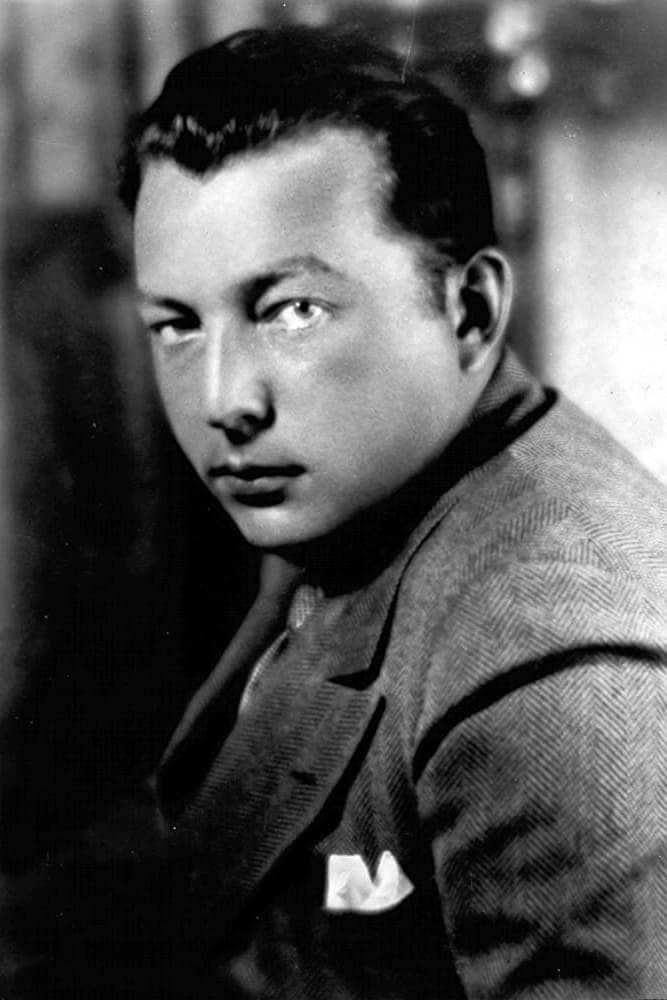
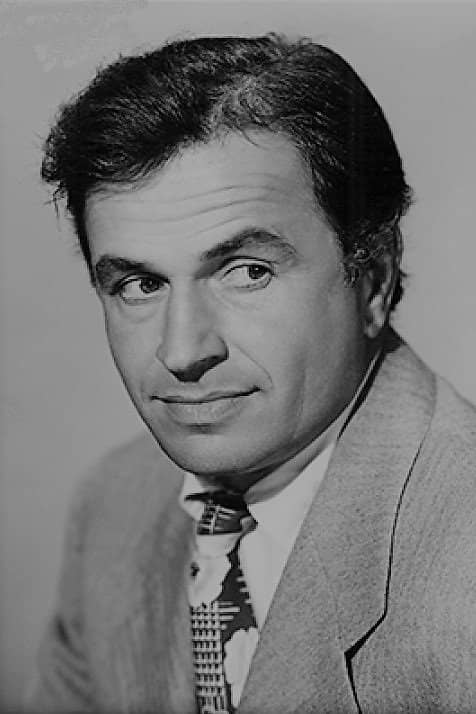
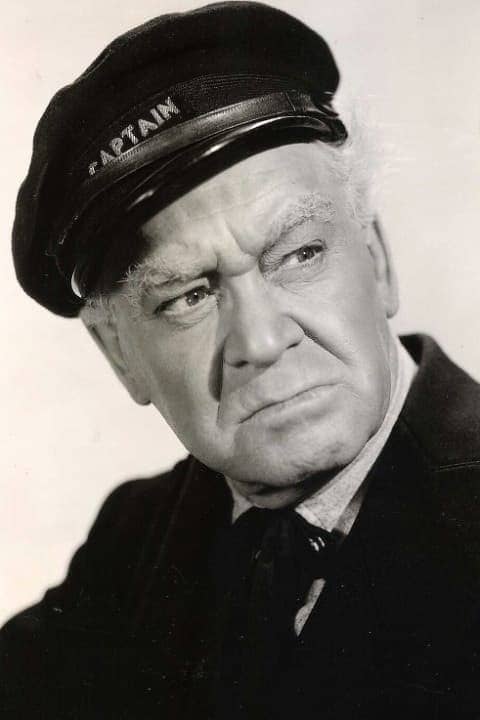
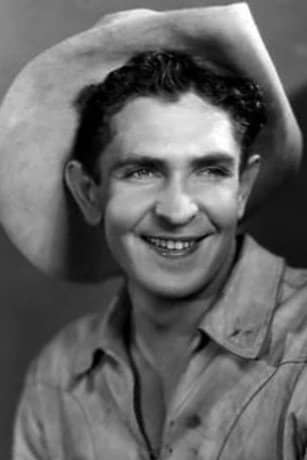
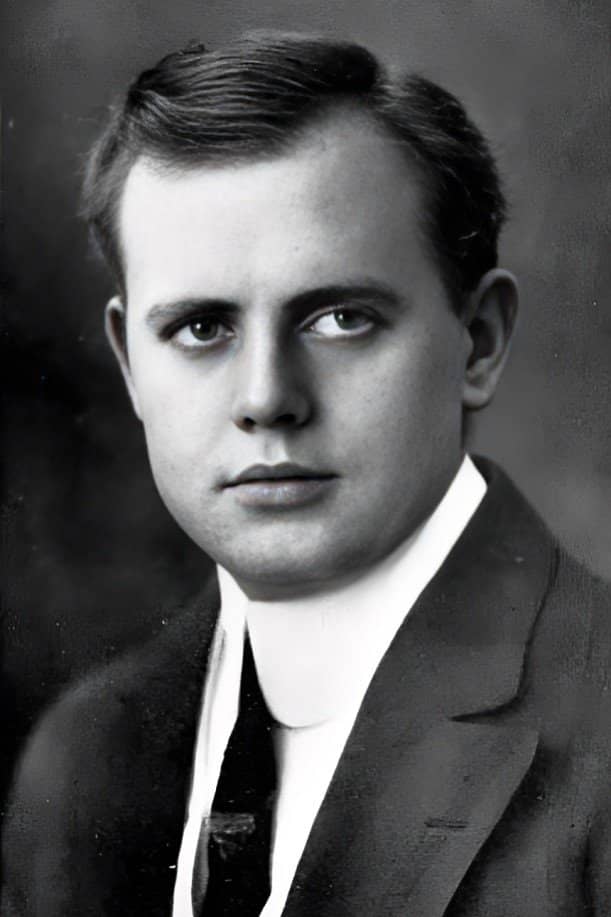
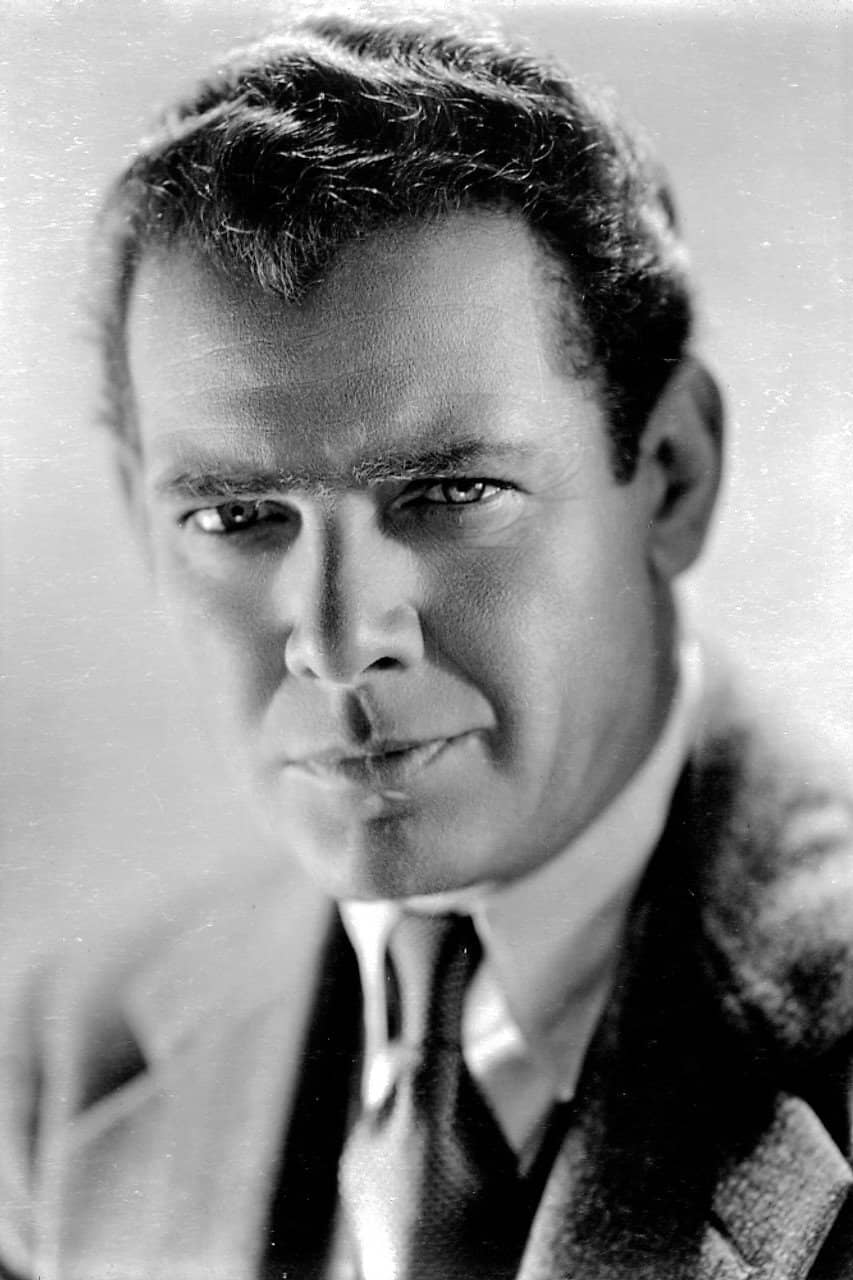
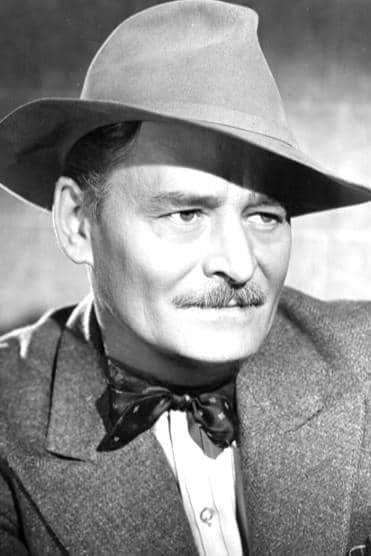
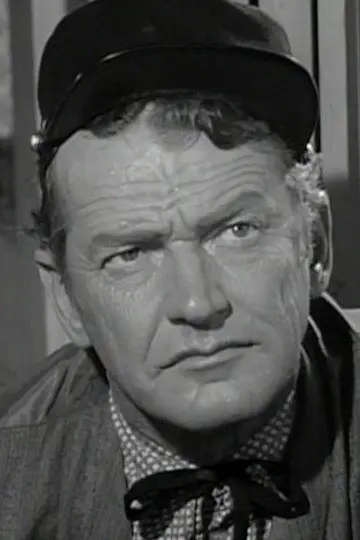
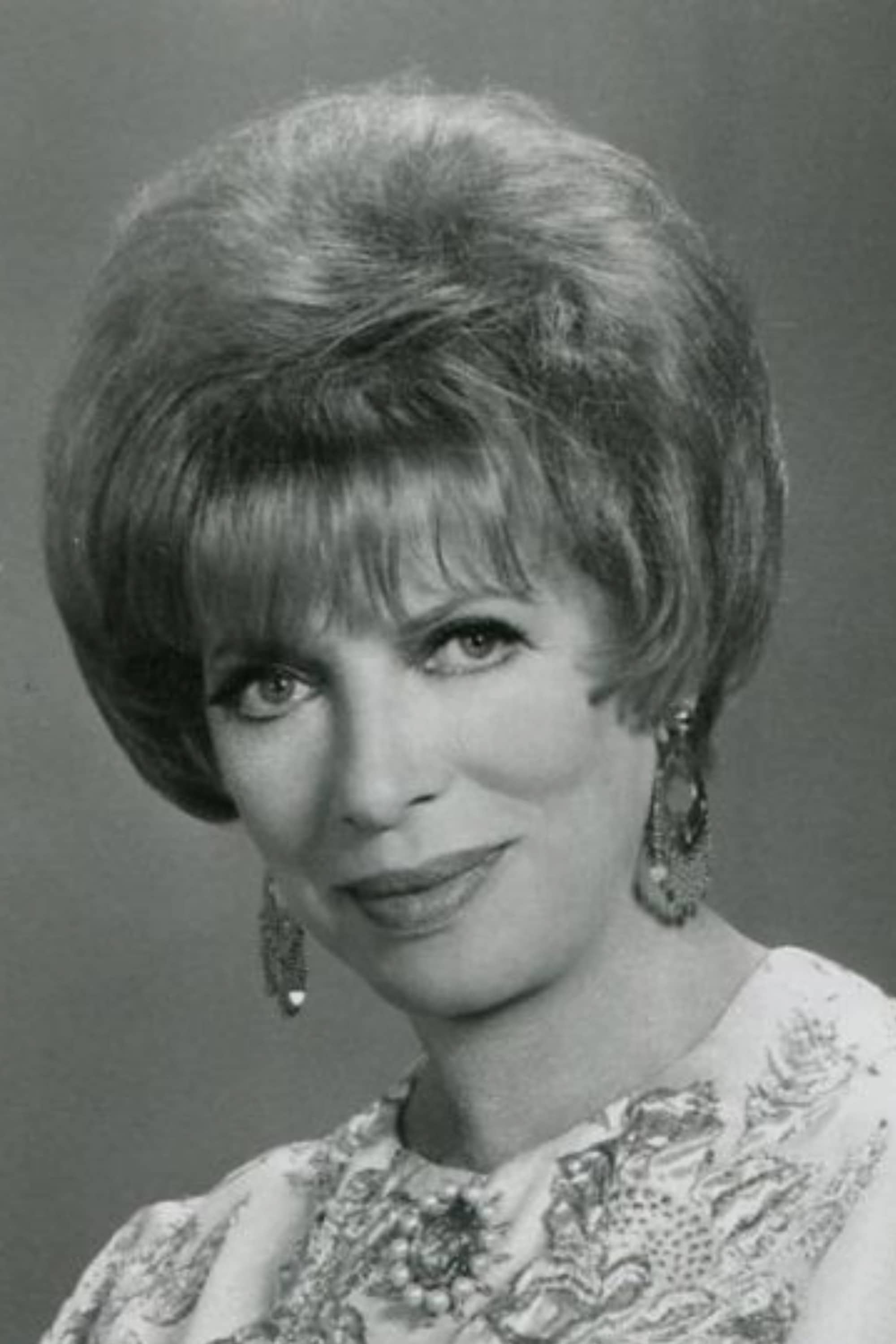
The cast of Of Mice and Men includes Leigh Whipper as Crooks, Helen Lynd as Susie, Eddie Dunn as Bus Driver (uncredited), Burgess Meredith as George Milton, Noah Beery Jr. as Whit, Lon Chaney Jr. as Lennie Small, Oscar O'Shea as Jackson, Bob Steele as Curley, Howard M. Mitchell as Sheriff (uncredited), Charles Bickford as Slim, Baldwin Cooke as Ranch Hand (uncredited), Barbara Pepper as Second Girl (uncredited), and more.
The duration of Of Mice and Men is 1h 46 mins.
Yes. You can watch the Of Mice and Men trailer on this Fanbiz page on Fanziz.
You can watch Of Mice and Men on Artiflix (Subscription). Check this Fanbiz page for the latest platforms.
Of Mice and Men was released on 24 Dec 1939.
Of Mice and Men is listed under Drama on Fanbiz.
Of Mice and Men has 2 reviews on Fanziz, with an average rating of 3.5/10. One reviewer wrote: "This movie version of Steinbeck's short novel, Of Mice and Men, is stellar. It stays very close to the original story, and fills out the characters in the book very nicely. Lon..."
