

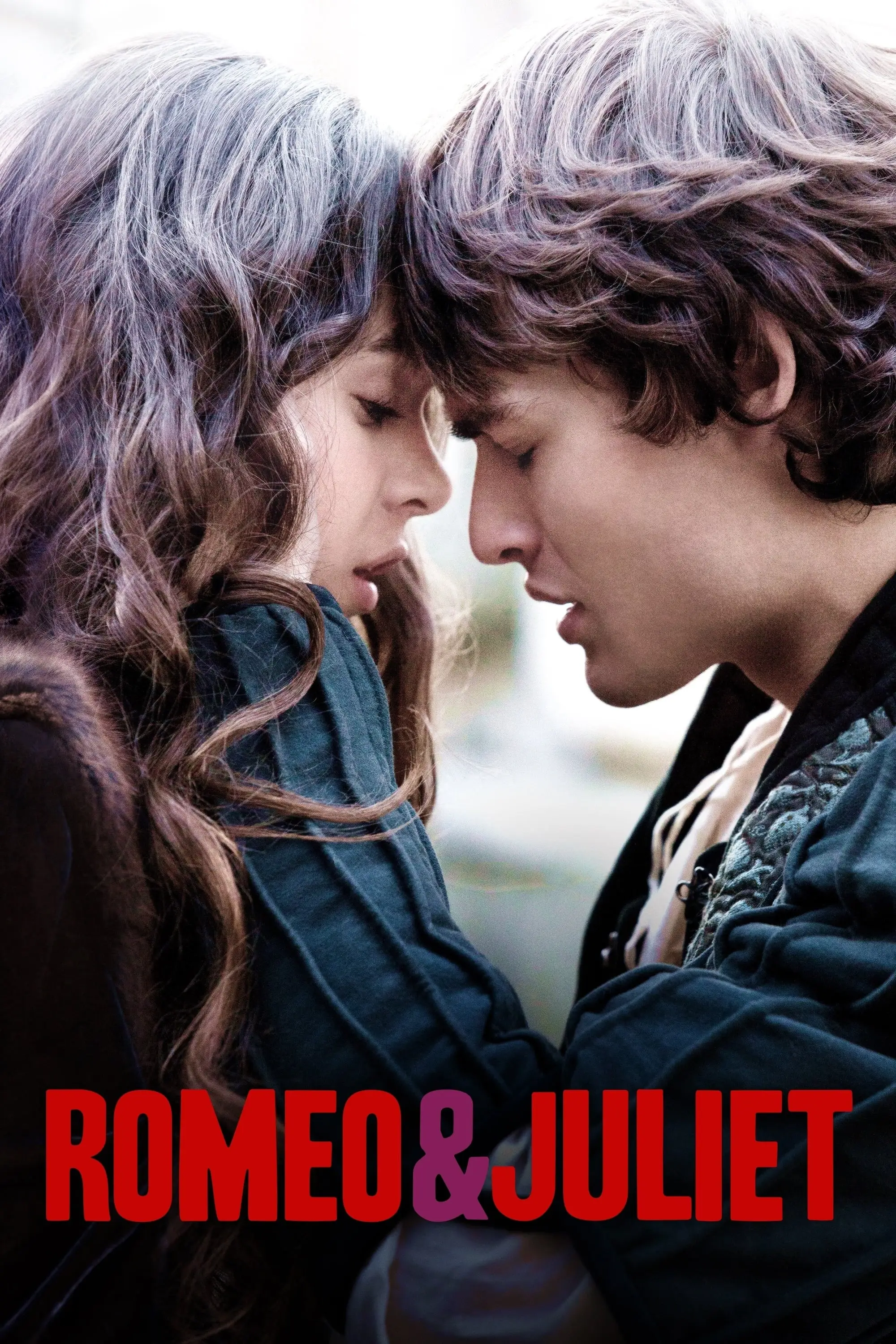
Romeo & Juliet
In Verona, a fierce feud between the Montague and Capulet households breeds entrenched bitterness. Against this backdrop, Romeo Montague secures an invitation to a masked ball at the Capulets' estate and encounters Juliet, the Capulets' daughter. The pair are instantly captivated, even as they learn their families are sworn enemies. They craft a discreet path to pursue their romance, yet Romeo is banished for his role in the death of Juliet's cousin, Tybalt.
Director(s)
Carlo Carlei
Roy Bava
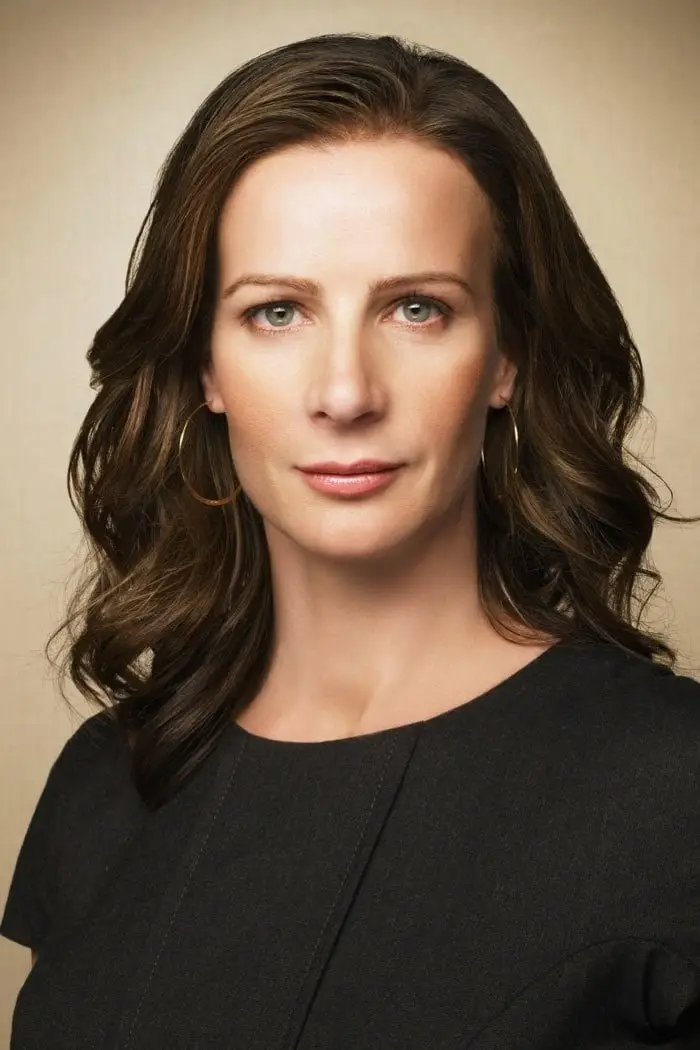
Rachel Griffiths
Jack Ravenscroft
Where to watch

Stingray Amazon Channel
Subscription
Cast & Crew





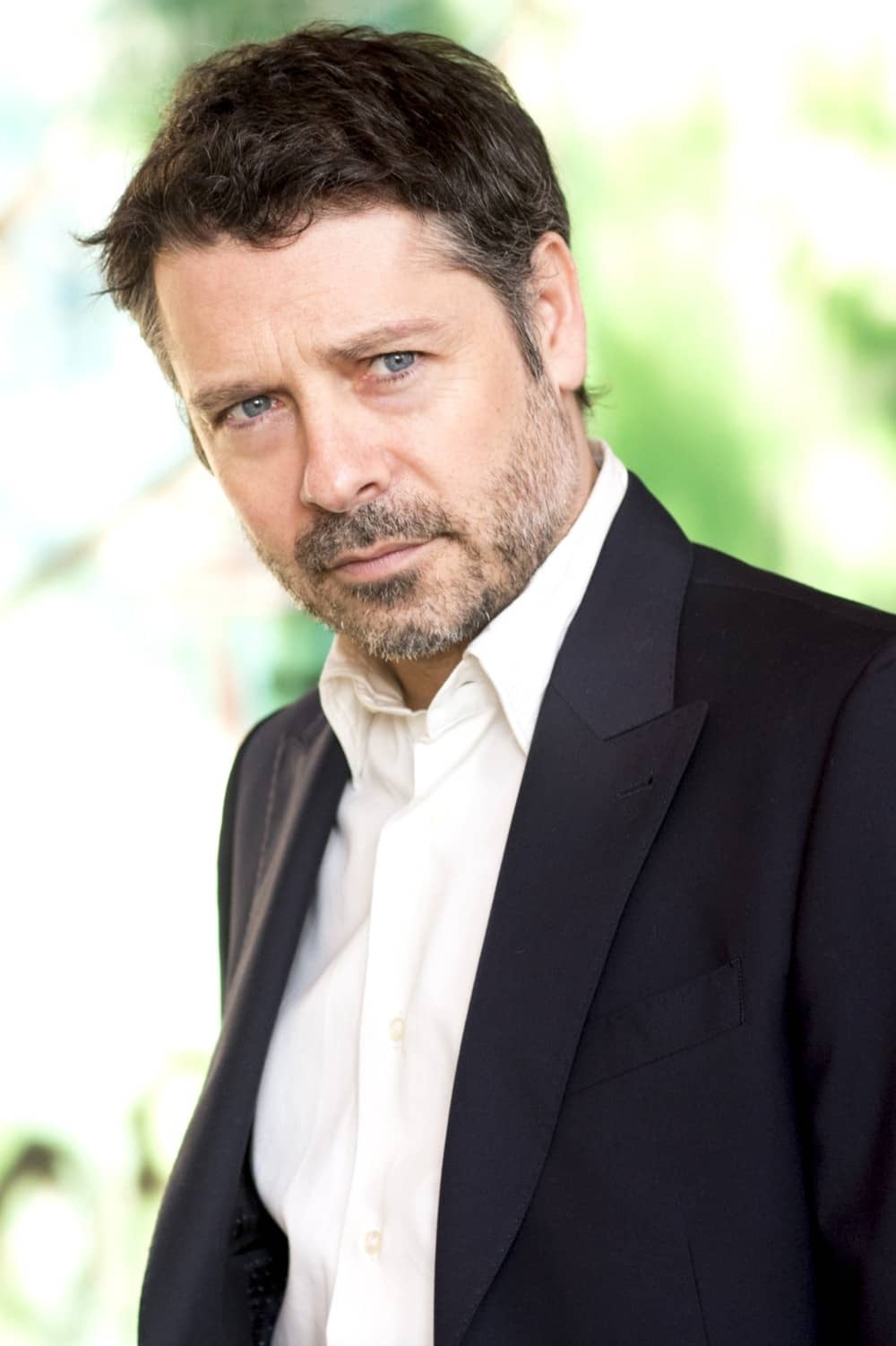


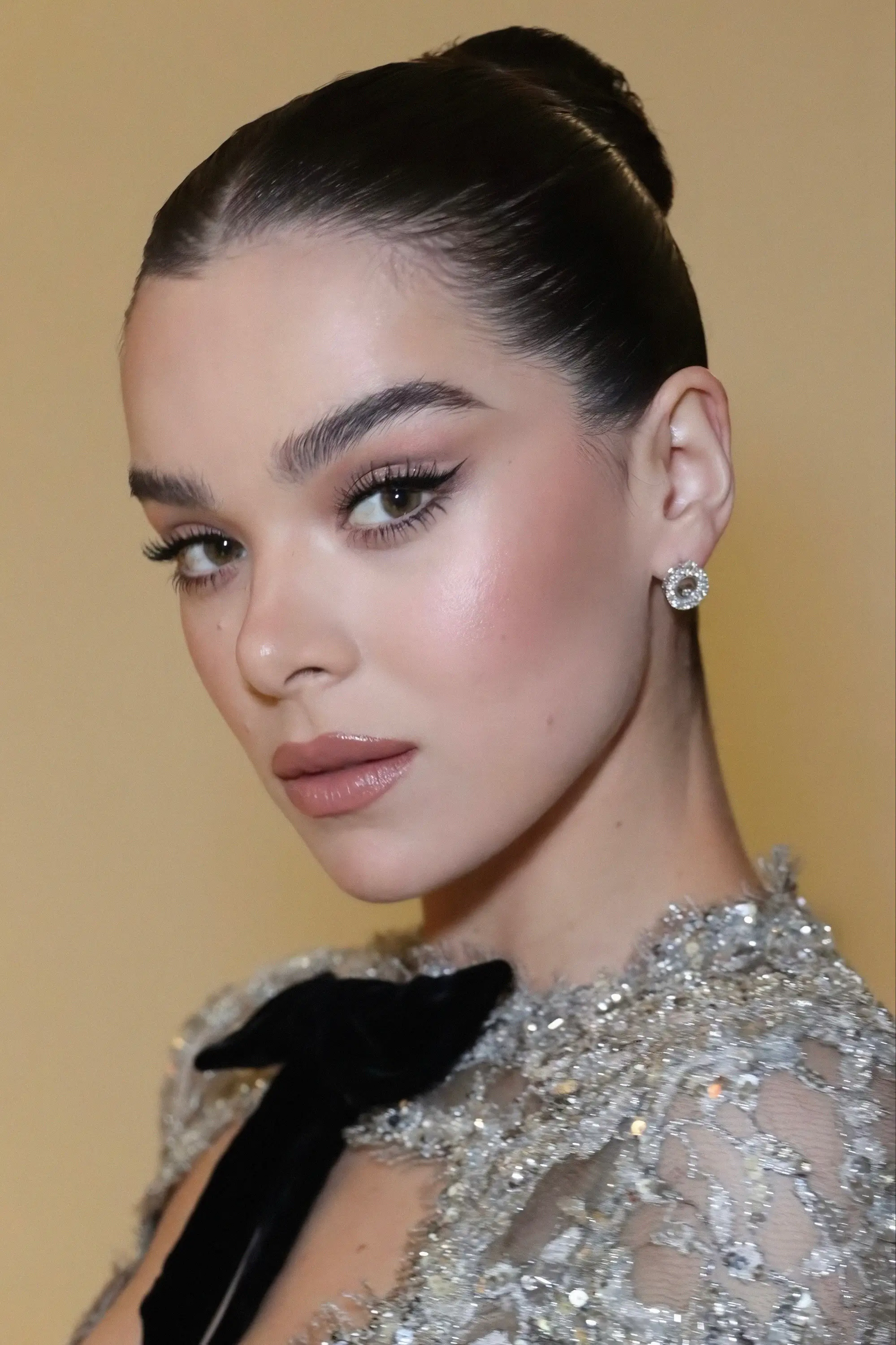
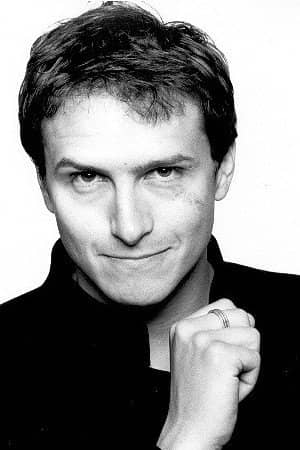
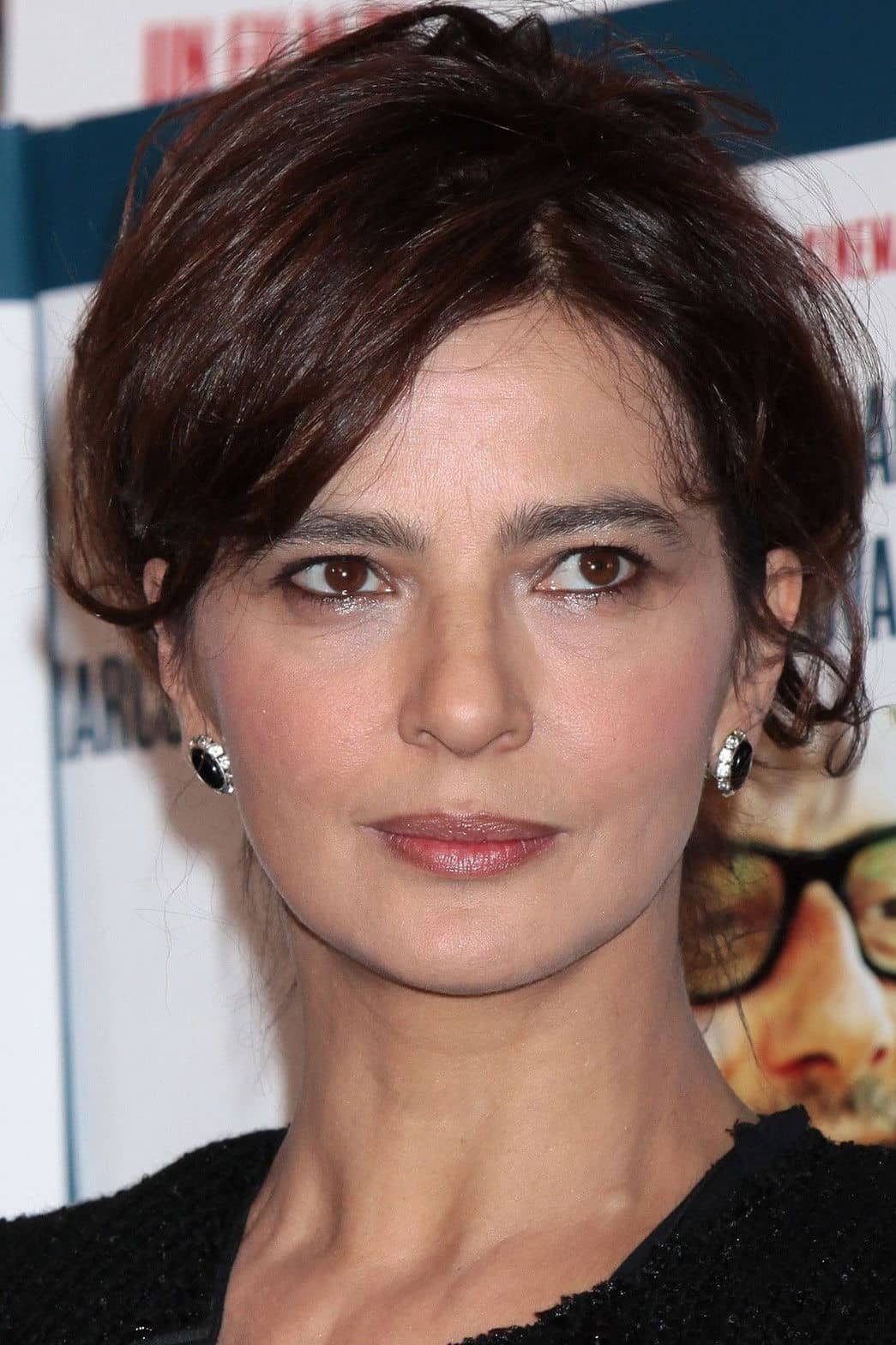


Details

Reviews
tmdb28039023
Everyone knows how Romeo and Juliet ends, but after this version of the story, there really is no way of knowing how it will begin. The narration starts with the famous “Two households, both alike in dignity, In fair Verona, where we lay our scene, From ancient grudge break to new mutiny, Where civil blood makes civil hands unclean.” But then, totally out of the blue, the narrator adds: “And so the prince has called a tournament [as in jousting] to keep the battle out of the city streets.” If you're thinking that there's no jousting in Romeo and Juliet, you're absolutely right. The oddest thing of all, however, is that there is no jousting in this movie either. We see knights in armor, holding lances and riding horses, but director Carlo Carlei and screenwriter Julian Fellowes curiously forget about this novelty almost as soon as they introduce it. Do Romeo and Tybalt decide Juliet’s fate like Wilfred of Ivanhoe and Brian de Bois-Guilbert do that of the Jewish Rebecca? Not at all; as I hinted above, the ending of the story remains largely unchanged (with Shakespeare, of course, there's always the possibility of enjoying the performances, even if the song, so to speak, remains the same; unfortunately, that's not the case here – Douglas Booth and Hailee Stanfield are no Leo DiCaprio and Claire Danes, let alone Leonard Whiting and Olivia Hussey). I guess I can understand the need to mix things up a bit to avoid the inescapable feeling of déjà vu inherent to the world's most popular love story, but Carlei and Fellowes don’t even have the discipline to stick to this ill-advised addition, which only succeeds in making Prince Escalus of Verona (Stellan Skarsgård) look like an idiot, since his “tournament” not only can’t stop the Capulets and Montagues from brawling on the streets, but it shouldn’t even try to, considering that these public brawls are central to the action. Among the few things Carlei does get right is preserving the traditional Renaissance Verona setting; on the other hand, he makes Romeo an amateur sculptor for no reason other than making the most impressionable female spectators swoon at the sight of his bare, sweaty chest, which he likes to uncover when chiseling marble.
All Trailers

Romeo & Juliet FAQs
The directors of Romeo & Juliet are Carlo Carlei, Roy Bava, Rachel Griffiths, and Jack Ravenscroft.
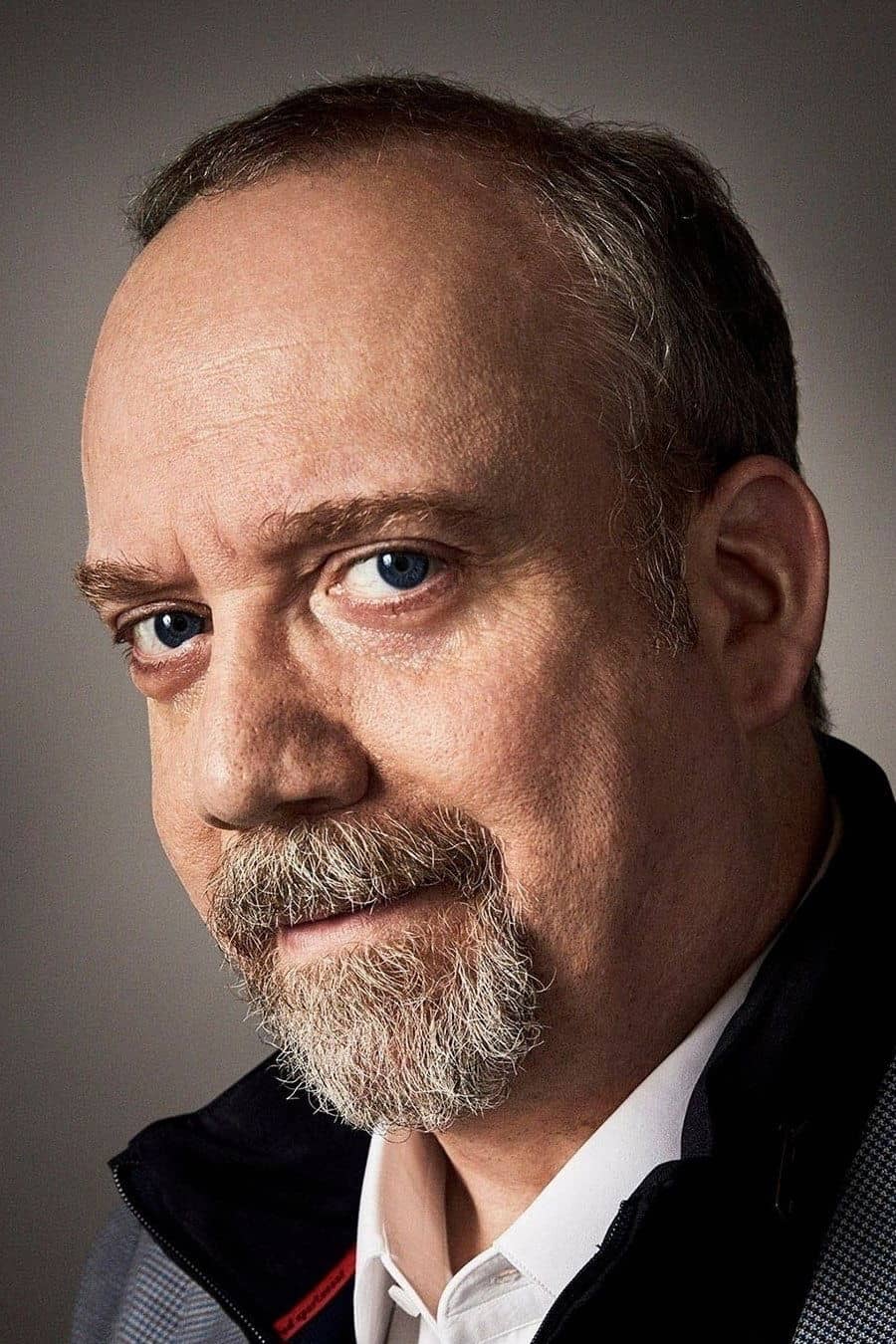
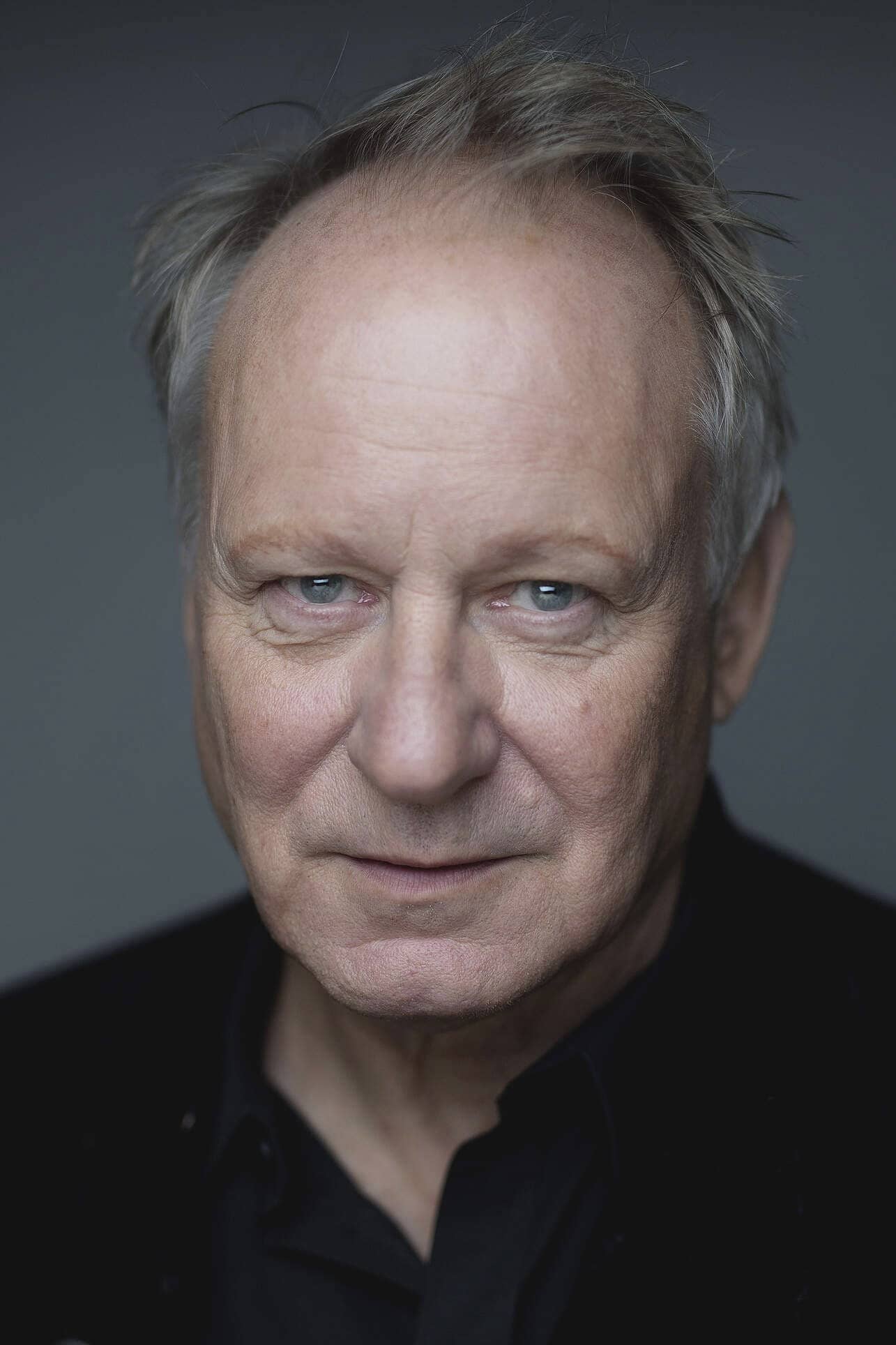
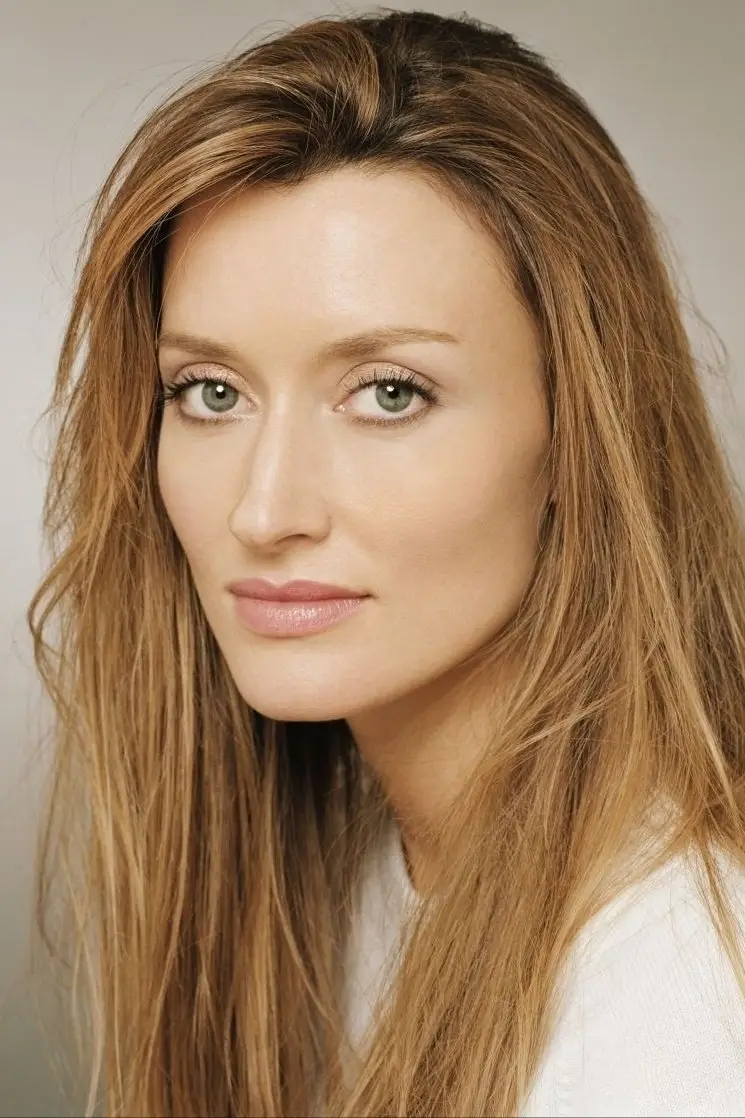
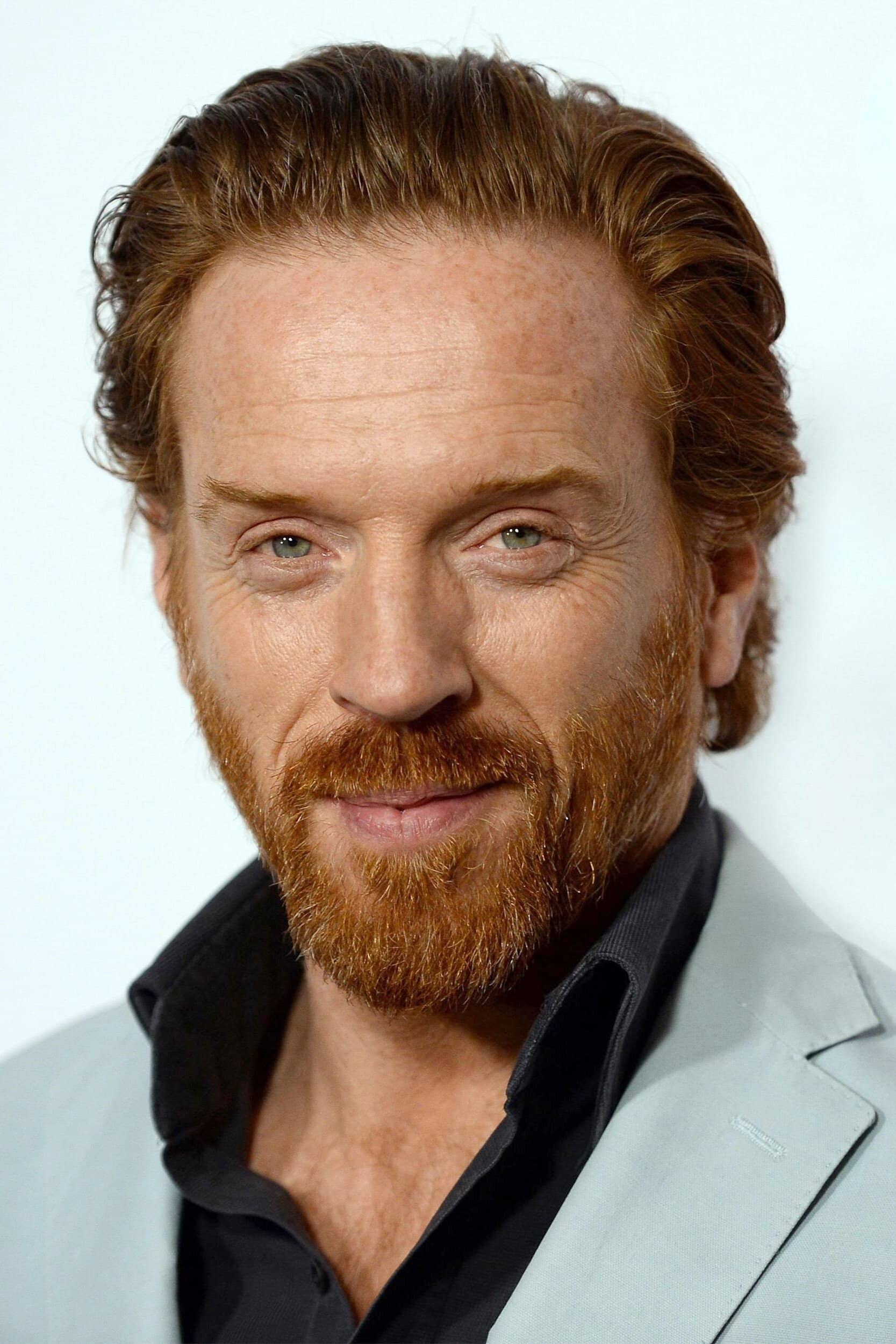
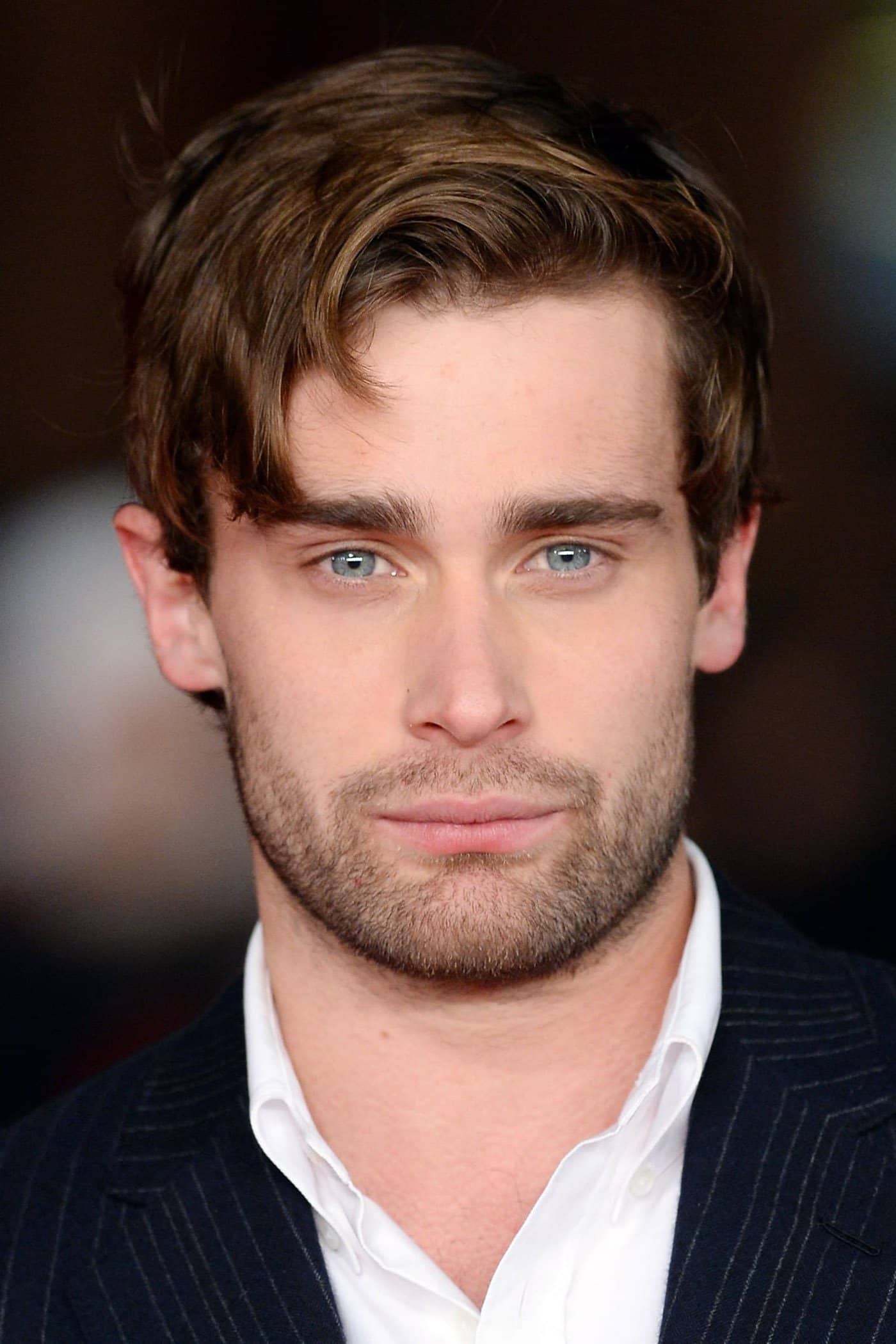
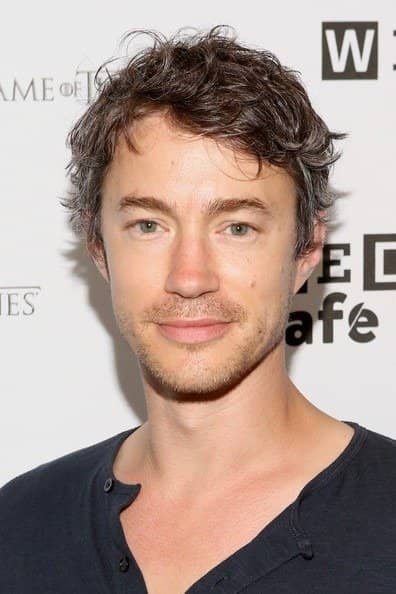
The cast of Romeo & Juliet includes Paul Giamatti as Friar Laurence, Stellan Skarsgård as Prince of Verona, Tomas Arana as Lord Montague, Natascha McElhone as Lady Capulet, Lesley Manville as The Nurse, Wanja Mary Sellers as Farmer's Wife, Damian Lewis as Lord Capulet, Christian Cooke as Mercutio, Kodi Smit-McPhee as Benvolio, Tom Wisdom as Count Paris, Marco Quaglia as Farmer, Douglas Booth as Romeo Montague, and more.
The duration of Romeo & Juliet is 1h 58 mins.
Yes. You can watch the Romeo & Juliet trailer on this Fanbiz page on Fanziz.
You can watch Romeo & Juliet on Stingray Amazon Channel (Subscription). Check this Fanbiz page for the latest platforms.
Romeo & Juliet was released on 12 Sep 2013.
Romeo & Juliet is listed under Romance and Drama on Fanbiz.
Romeo & Juliet has 1 review on Fanziz, with an average rating of 1.0/10. One reviewer wrote: "Everyone knows how Romeo and Juliet ends, but after this version of the story, there really is no way of knowing how it will begin. The narration starts with the famous “Two hou..."
