

Scrooge
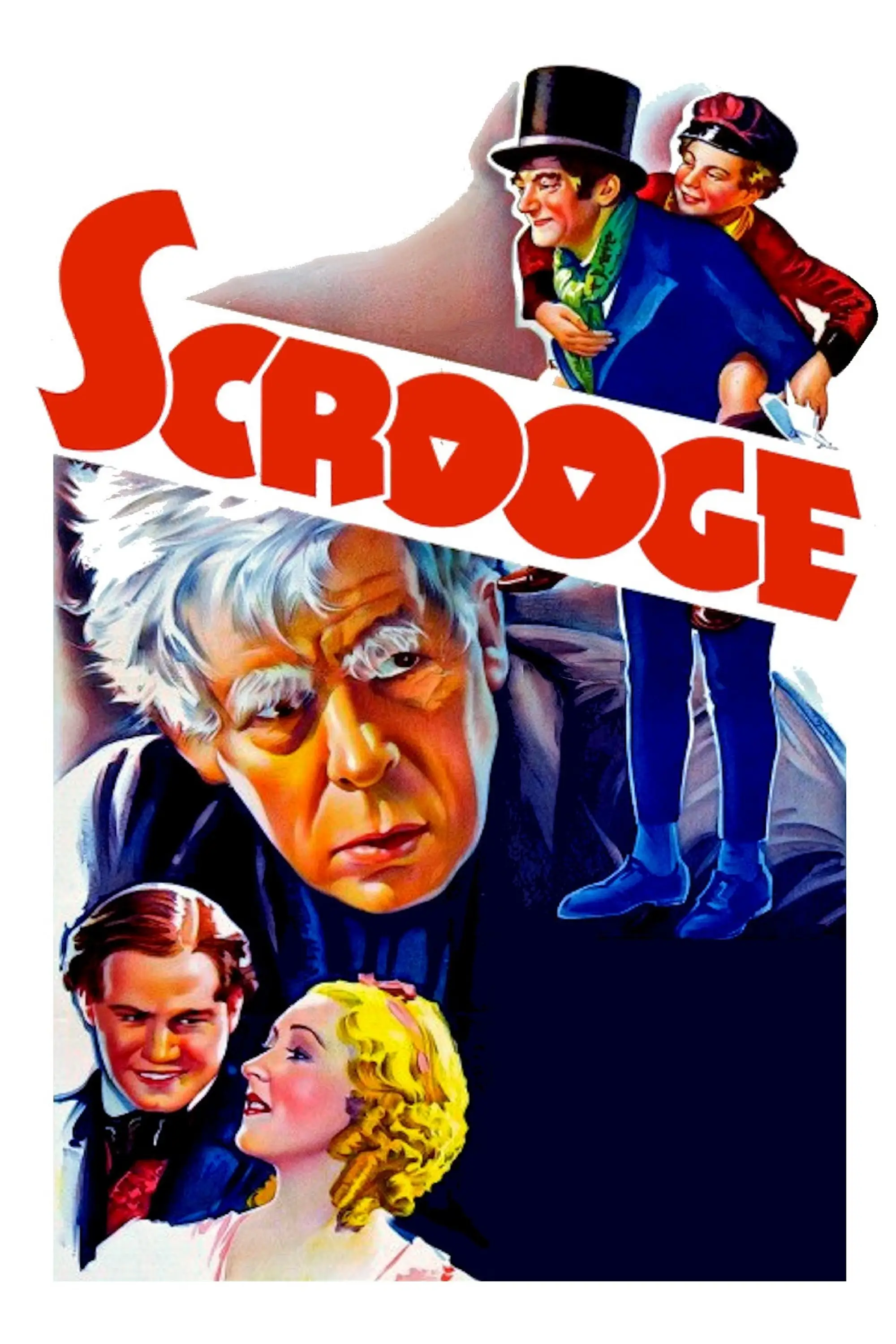
Ebenezer Scrooge, the quintessential Victorian miser, harbors no fondness for Christmas, while his impoverished clerk Cratchit and his nephew Fred are alive with holiday spirit. That night, Scrooge is visited by the spirits of the past, present, and future.
Director(s)
Henry Edwards
Arthur Barnes
James Davidson
Cast & Crew


Facts
- 1
The Lord Mayor's banquet sequence was staged as a lavish musical production number with crowds of extras.
- 2
The film's financial failure in America caused producer Julius Hagen's companies to go into receivership.
Details

Reviews
CinemaSerf
Clearly, the story is the stuff of Christmas legend so there was no need to re-invent the wheel. Perhaps, also, because it was made in 1935 and Sir Seymour Hicks was already 64 when he portrayed "Scrooge" this film works well. It is both charming and poignant and uses the basic film techniques of the thirties - especially light and shadow - to convey some of the misery, menace and ultimately, joy of this Dickens story. Well worth an outing this (or any) Christmas.
Scrooge FAQs
The directors of Scrooge are Henry Edwards, Arthur Barnes, and James Davidson.
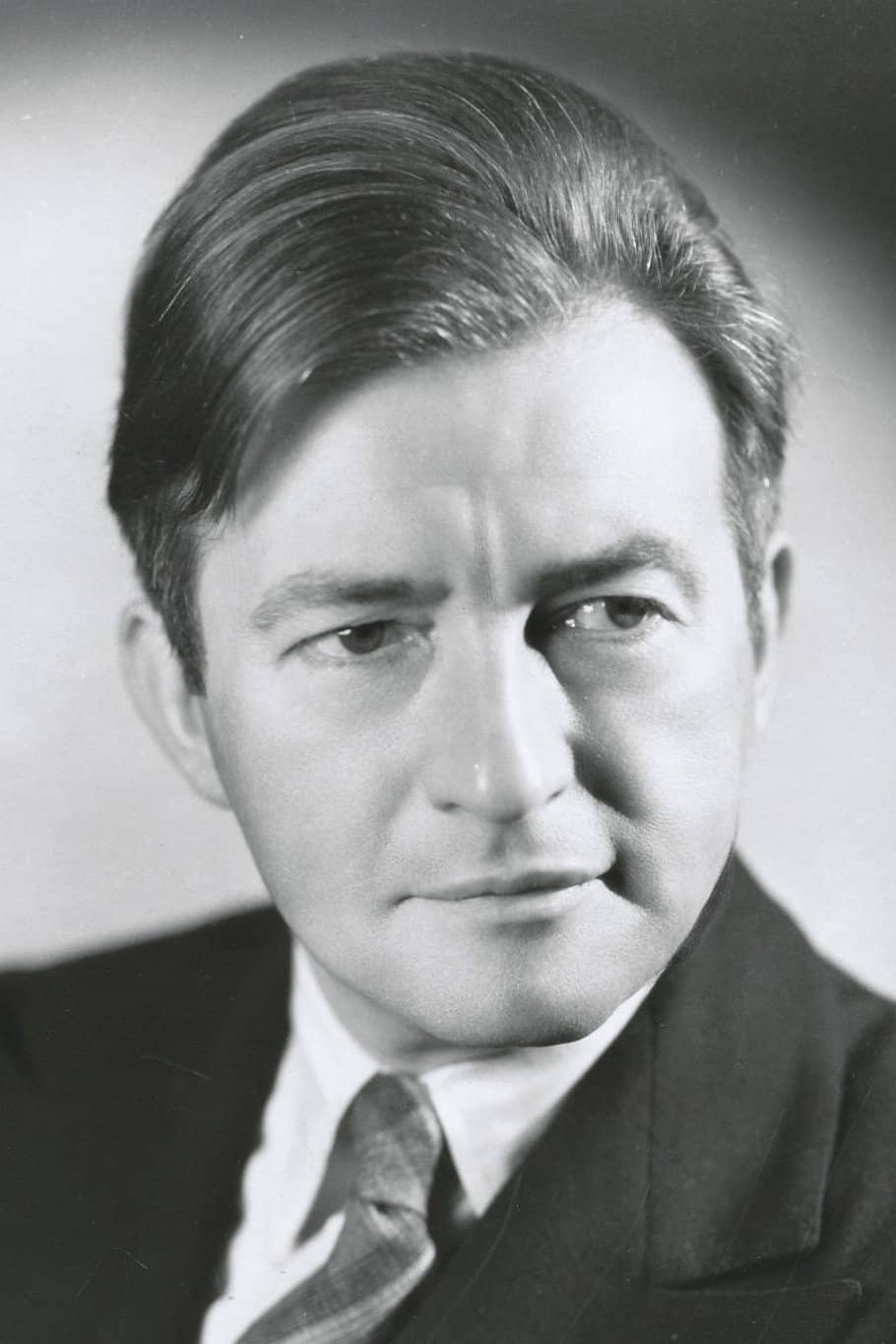
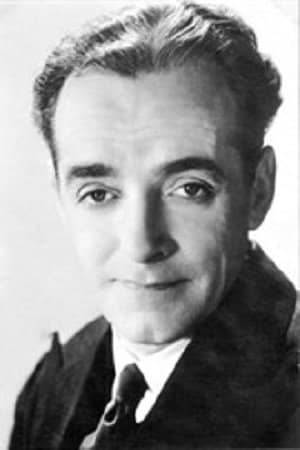
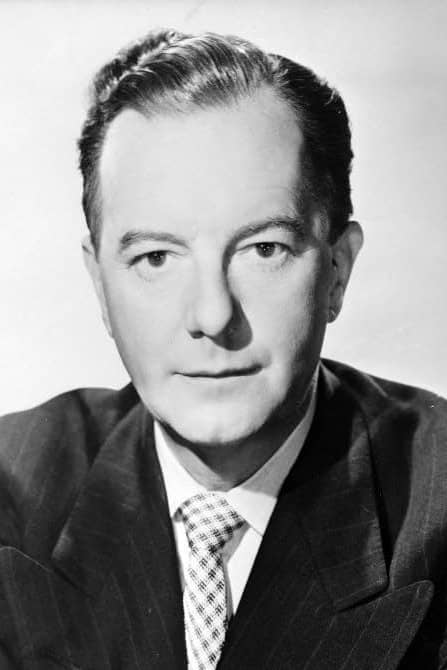
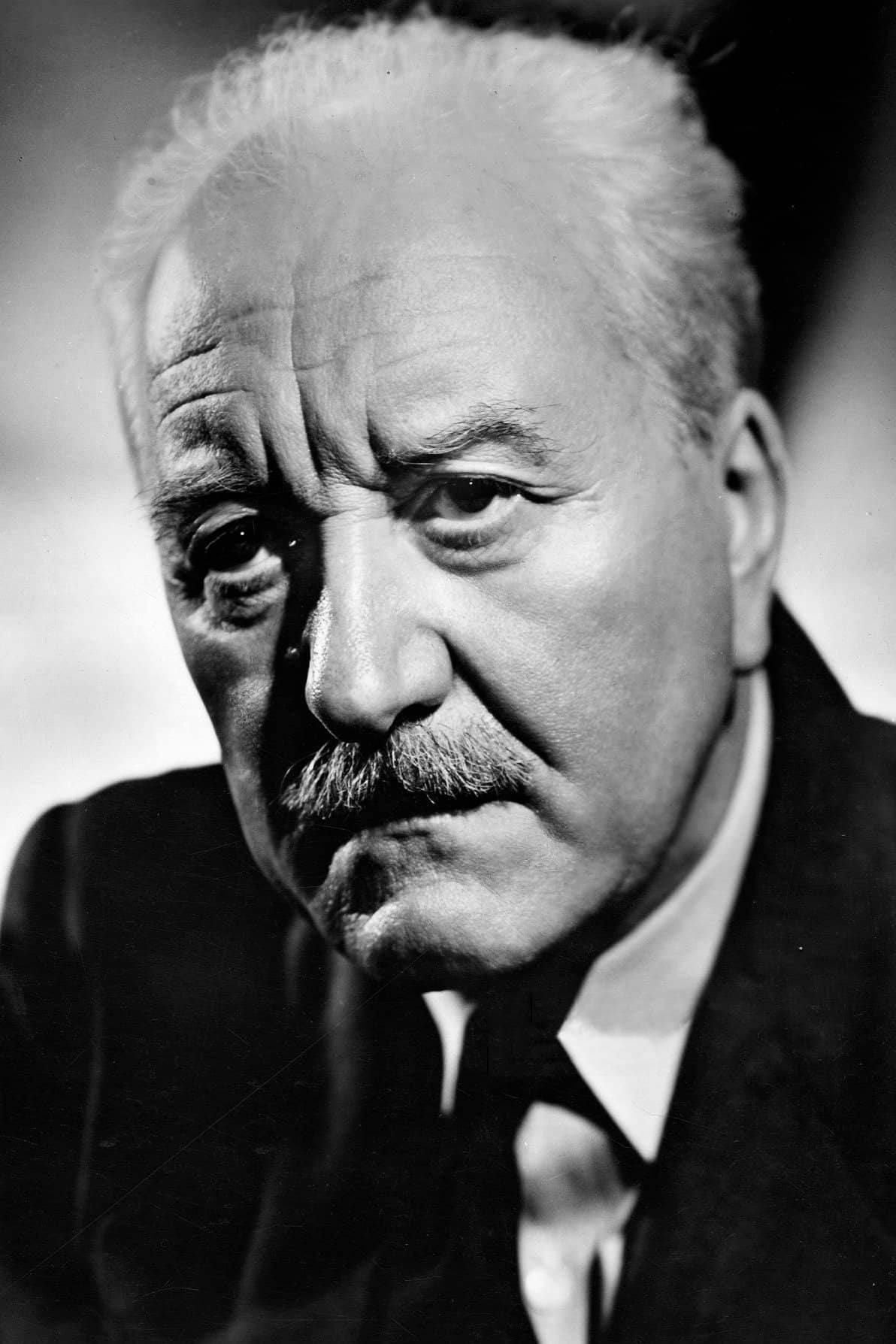
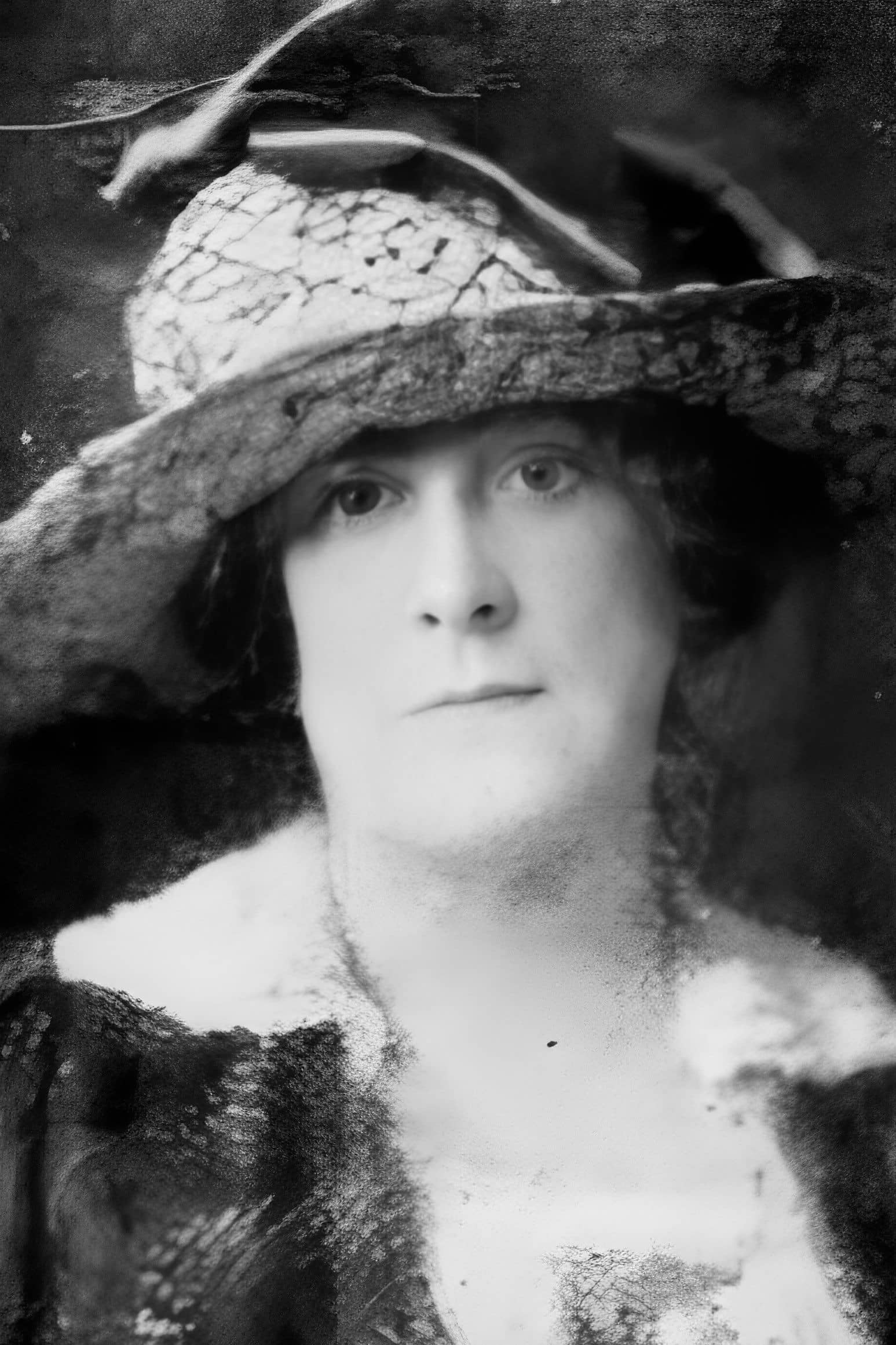
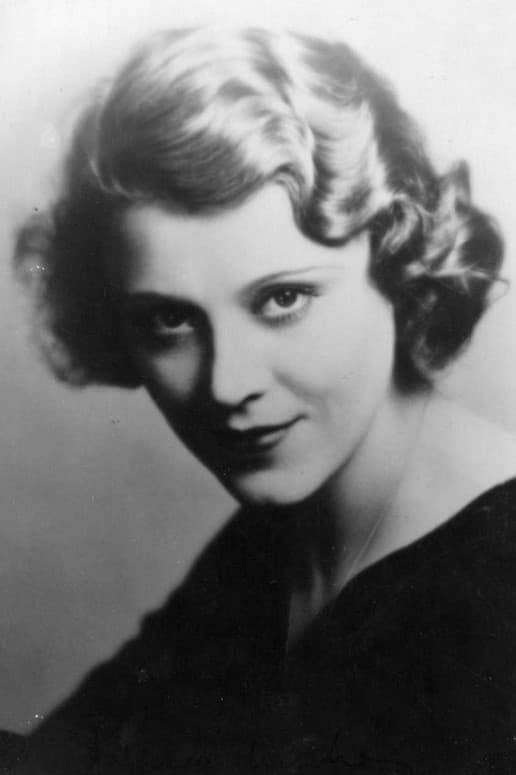
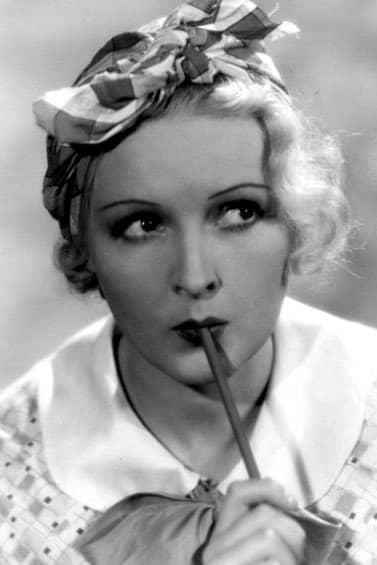
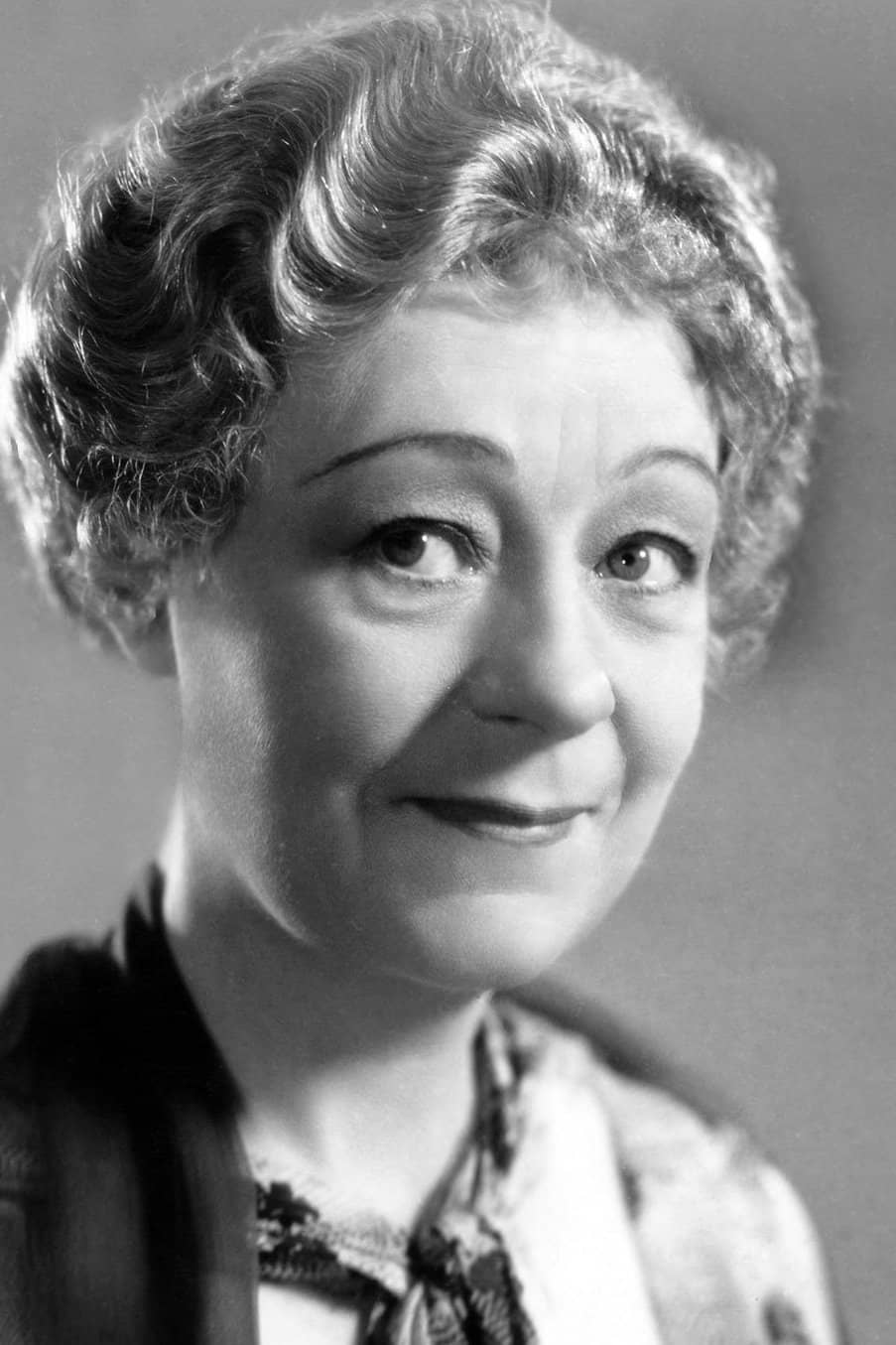
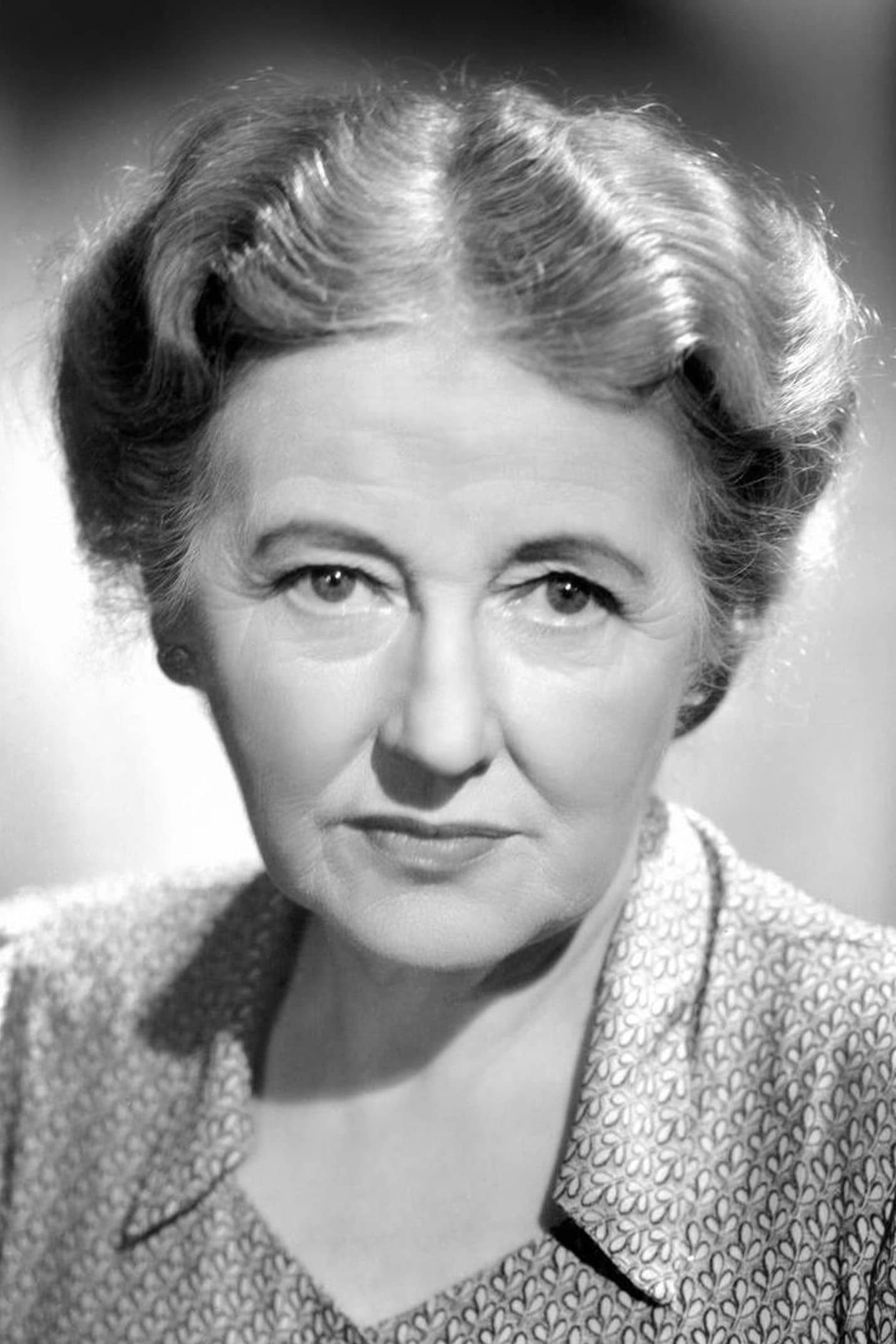
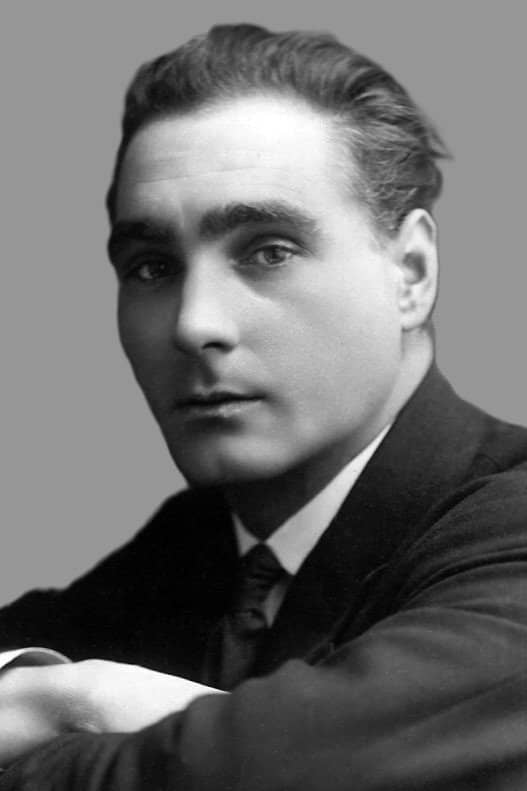
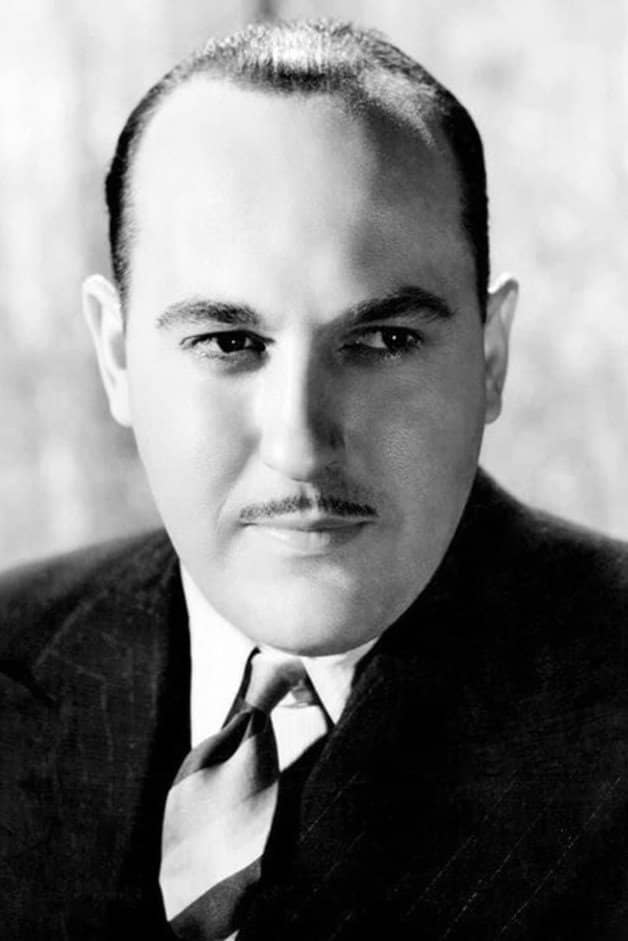
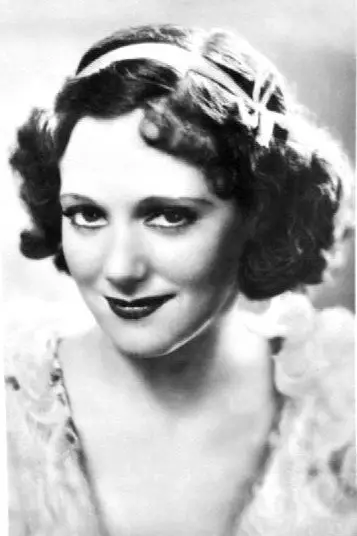
The cast of Scrooge includes Claude Rains as Jacob Marley (voice) (uncredited), Donald Calthrop as Bob Cratchit, Maurice Evans as Poor Man, Charles Carson as Middlemark, Margaret Yarde as Scrooge's Laundress, Marie Ney as Spirit of Christmas Past (uncredited), Eve Gray as Fred's Wife, D.J. Williams as Undertaker, Athene Seyler as Scrooge's Charwoman, Barbara Everest as Mrs. Cratchit, Mary Glynne as Belle, C. V. France as Spirit of Christmas Future, and more.
The duration of Scrooge is 1h 18 mins.
Scrooge was released on 26 Nov 1935.
Scrooge is listed under Drama, Fantasy, and Horror on Fanbiz.
Scrooge has 1 review on Fanziz, with an average rating of 7.0/10. One reviewer wrote: "Clearly, the story is the stuff of Christmas legend so there was no need to re-invent the wheel. Perhaps, also, because it was made in 1935 and Sir Seymour Hicks was already 64..."
1. The Lord Mayor's banquet sequence was staged as a lavish musical production number with crowds of extras. 2. The film's financial failure in America caused producer Julius Hagen's companies to go into receivership.
