

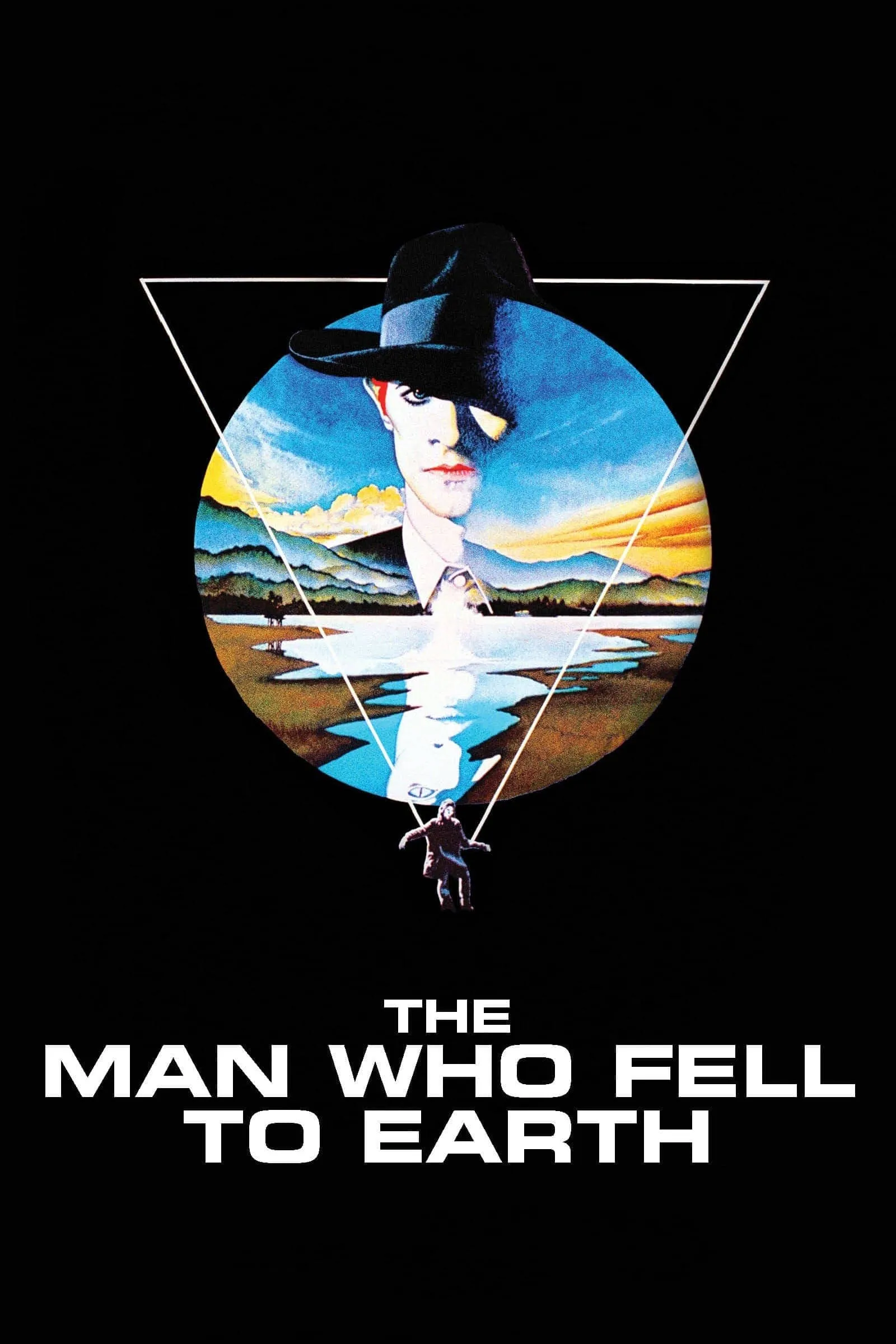
The Man Who Fell to Earth
Thomas Jerome Newton is an alien who has come to Earth in search of water to save his home planet. Aided by lawyer Oliver Farnsworth, Thomas uses his knowledge of advanced technology to create profitable inventions. While developing a method to transport water, Thomas meets Mary-Lou, a quiet hotel clerk, and begins to fall in love with her. Just as he is ready to leave Earth, Thomas is intercepted by the U.S. government, and his entire plan is threatened.
Director(s)
Nicolas Roeg
Michael Stevenson
Kip Gowans
Susanna Merry
Where to watch

Amazon Video
Rent
Cast & Crew
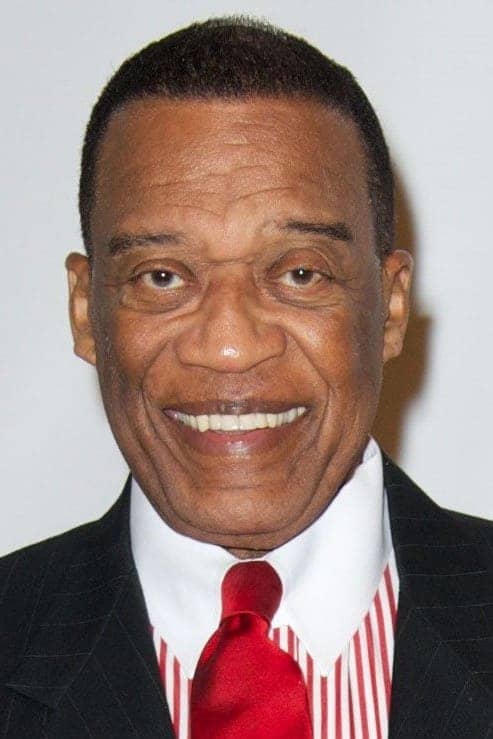

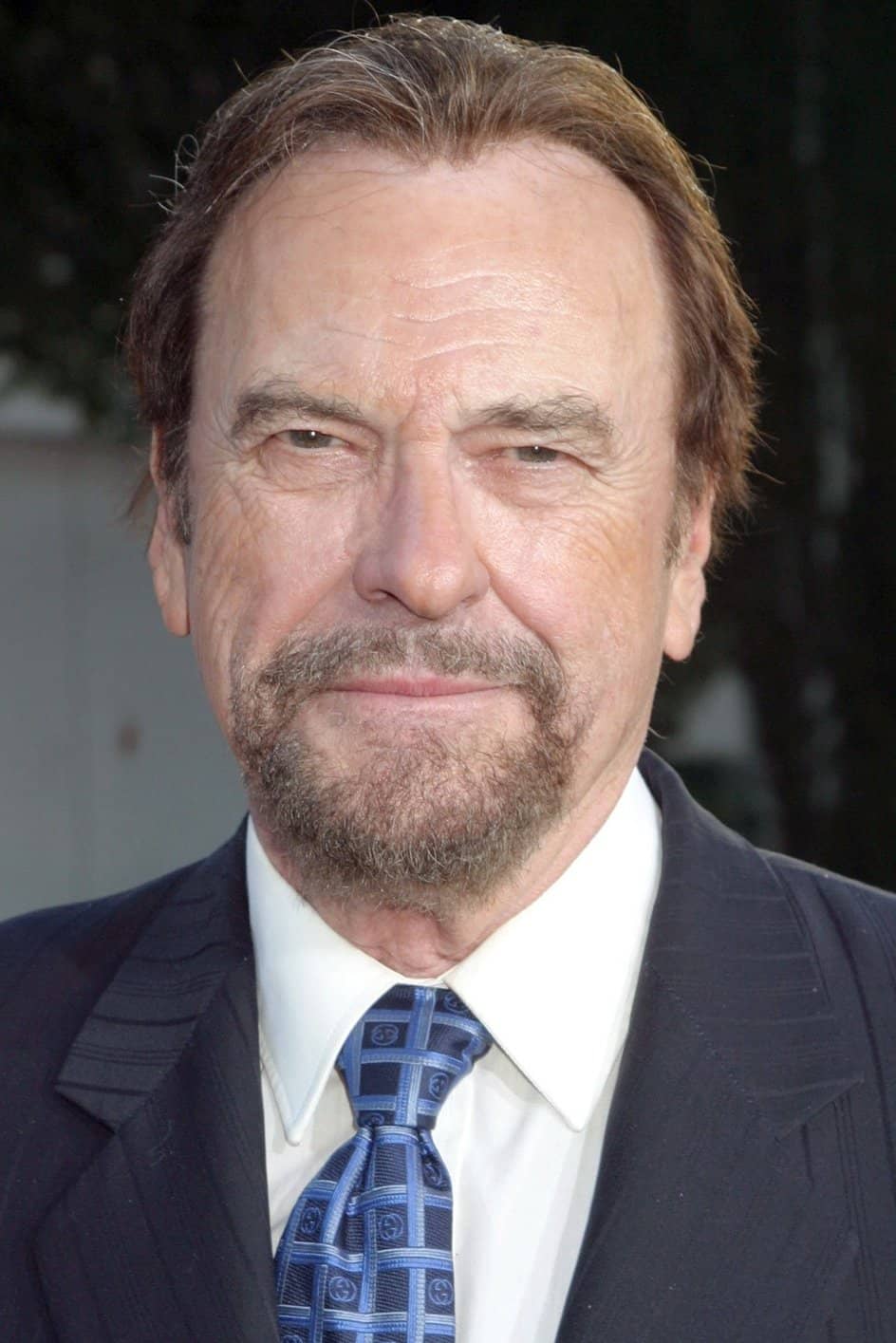


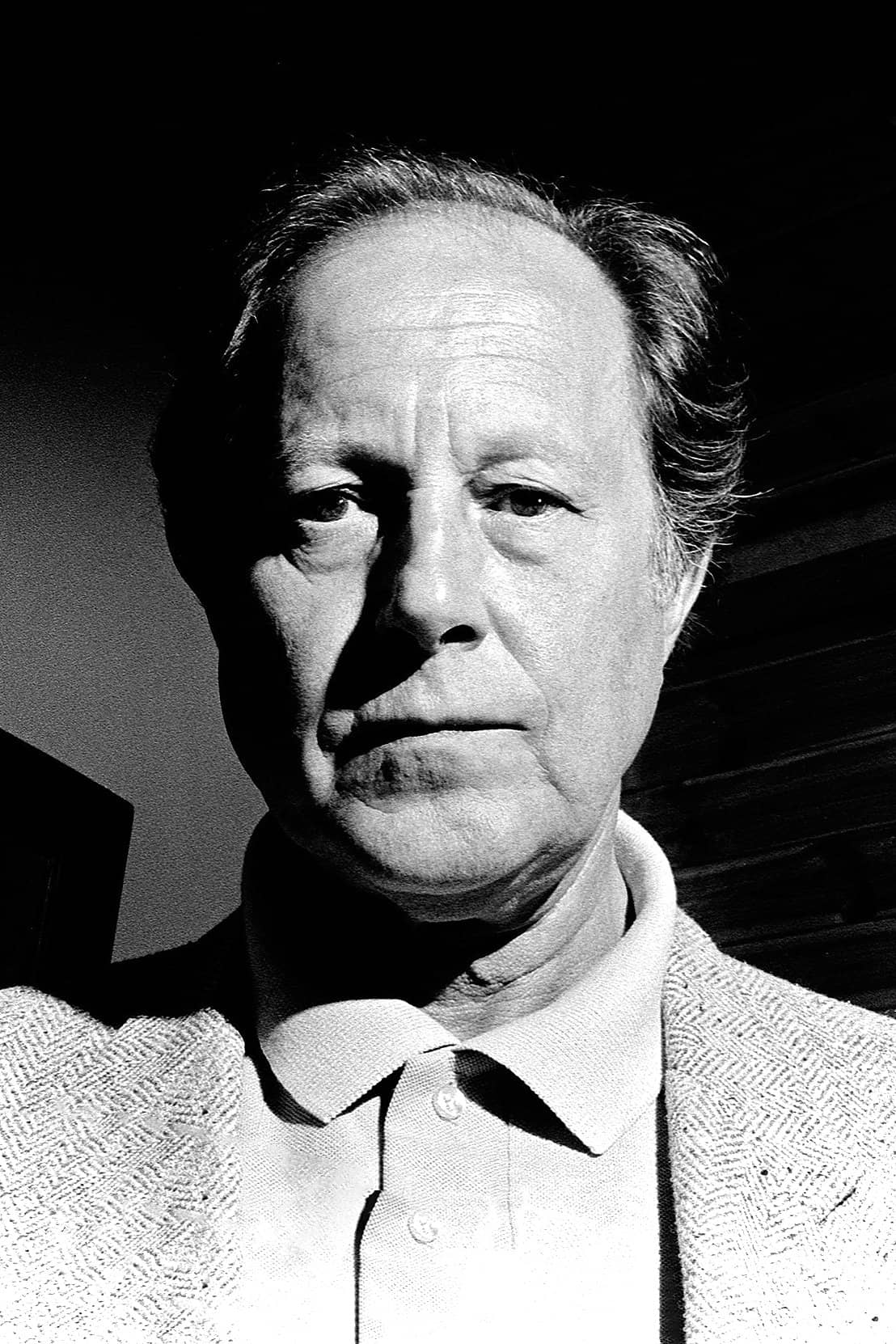
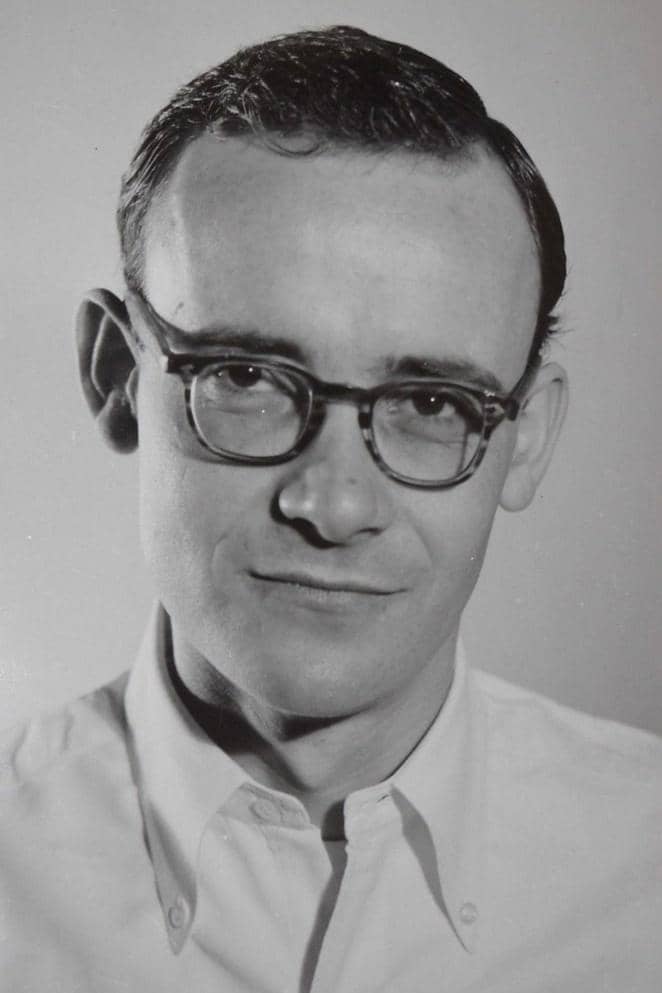




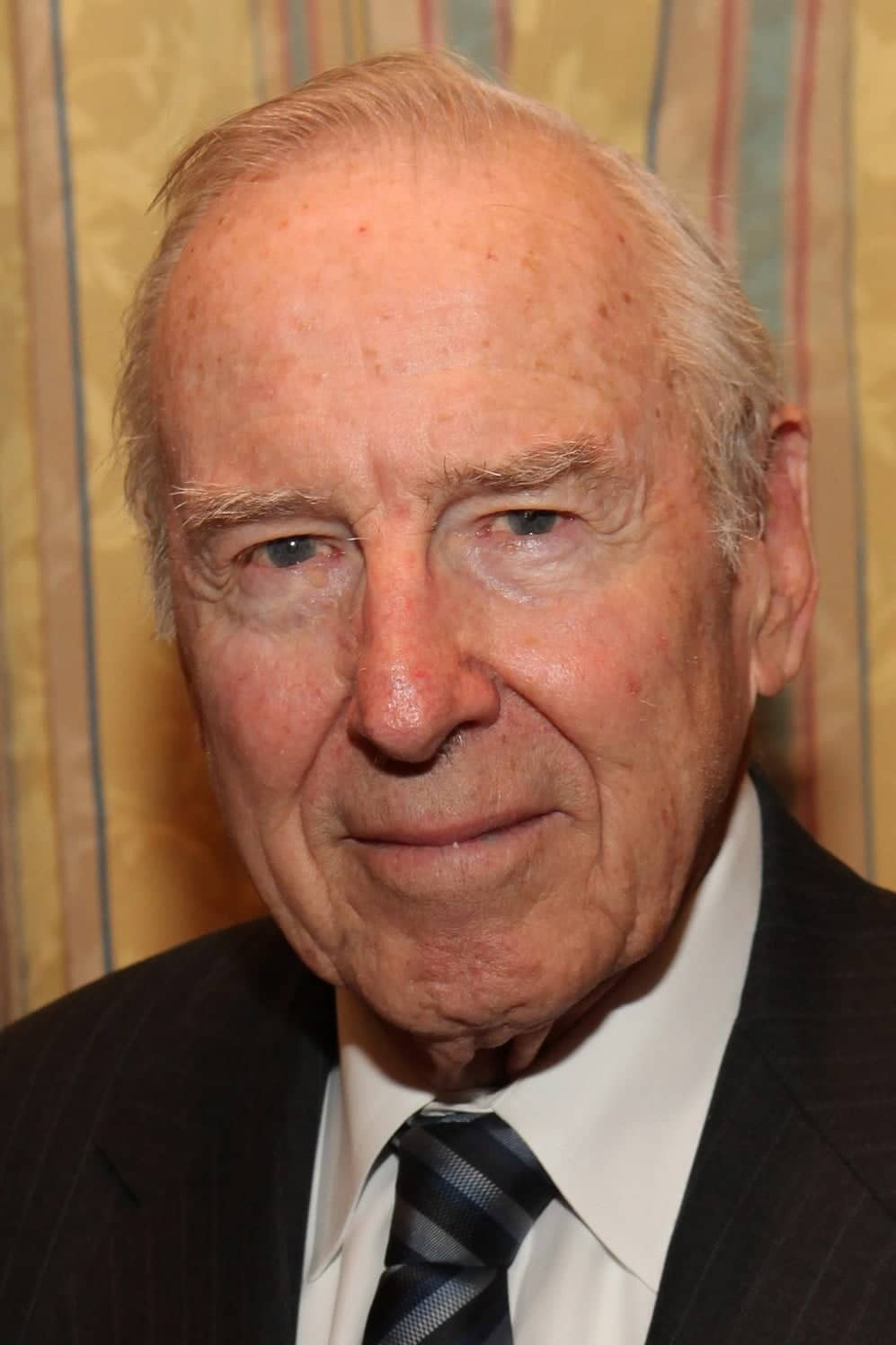

Details

Reviews
CinemaSerf
Very much a vehicle for David Bowie, this is otherwise a rather derivative and unimaginative story of an alien ("Newton") who arrives on Earth, naked and penniless. He is tasked with trying to find a way to save his own doomed planet, but quickly discovers that he has skills! He can make money, and money buys nice things; it buys nice sex; it gives him power... All of these pleasures distract him from the purpose of his visit. Can he refocus? Well his infatuation with "Mary-Lou" (Candy Clark) isn't helping, nor are those around him - "Bryce" (Rip Torn) amongst them - with their own rather parasitic agendas, and his own character undergoes quite a few transformations as his exposure to the Earth and all of it's frequently conflicting moralities presents him with quite a few challenges. To be perfectly honest, I was rather bored with this. It offers us a smorgasbord of humanity with little context or character depth. Bowie is attractive to look at - sometimes - but really isn't much of an actor and at over 2¼ hours long, the plot had little option but to recycle itself - in various thinly disguised guises - just once too often for me. Stomu Yamashta's score is heavy overused, I thought, and by the end I really wasn't so very bothered whether or not he succeeded. As an observation of 1970s priorities, aspirations and excesses, it is quite illustrative I suppose, but as a film to see on a big screen it is really nothing at all to write home about, sorry.
All Trailers


Media engagement


The Man Who Fell to Earth FAQs
The directors of The Man Who Fell to Earth are Nicolas Roeg, Michael Stevenson, Kip Gowans, and Susanna Merry.
The cast of The Man Who Fell to Earth includes Bernie Casey as Peters, Candy Clark as Mary-Lou, Rip Torn as Nathan Bryce, David Bowie as Thomas Jerome Newton, Buck Henry as Oliver Farnsworth, Tony Mascia as Arthur, Adrienne La Russa as Helen, Claudia Jennings as Peters' Wife, Rick Riccardo as Trevor, Jim Lovell as James Lovell, Hilary Holland as Jill, Linda Hutton as Elaine, and more.
The duration of The Man Who Fell to Earth is 2h 19 mins.
Yes. The Man Who Fell to Earth has 2 trailers on Fanbiz, including The Man Who Fell To Earth - Rialto Pictures 35th Anniversary Trailer. Watch them on this page.
You can watch The Man Who Fell to Earth on Amazon Video (Rent). Check this Fanbiz page for the latest platforms.
The Man Who Fell to Earth was released on 18 Mar 1976.
The Man Who Fell to Earth is listed under Science Fiction, Drama, and Fantasy on Fanbiz.
The Man Who Fell to Earth has 1 review on Fanziz, with an average rating of 6.0/10. One reviewer wrote: "Very much a vehicle for David Bowie, this is otherwise a rather derivative and unimaginative story of an alien ("Newton") who arrives on Earth, naked and penniless. He is tasked..."
