

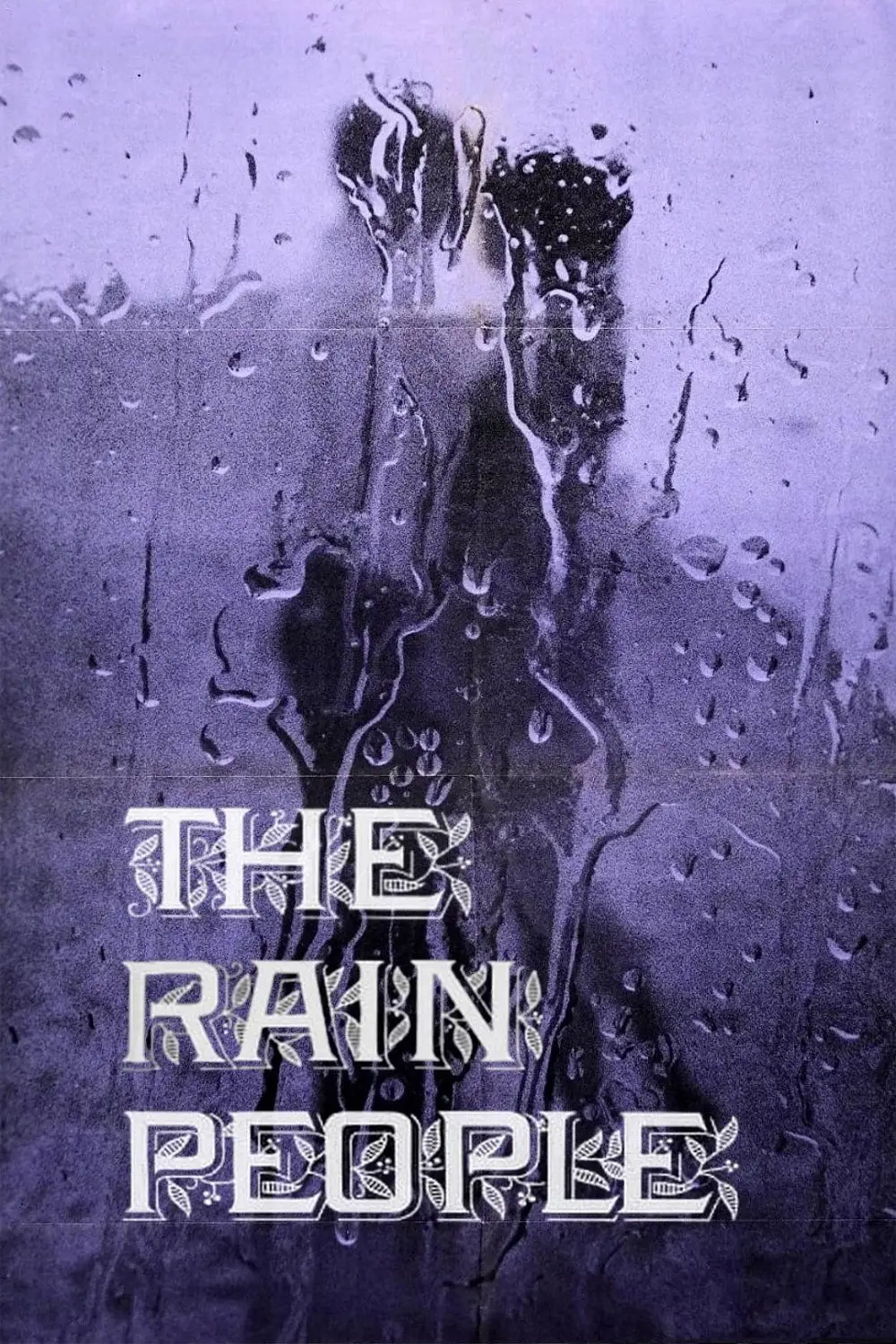
The Rain People
A housewife learns she is pregnant and flees town in search of freedom to reevaluate the course of her life.
Director(s)
Eleanor Coppola
Francis Ford Coppola
Richard C. Bennett
Jack Cunningham
Cast & Crew


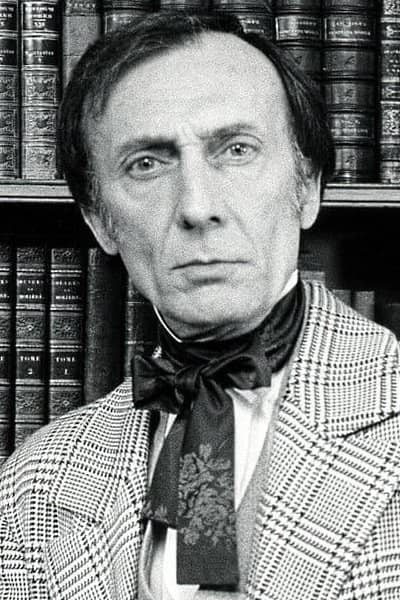
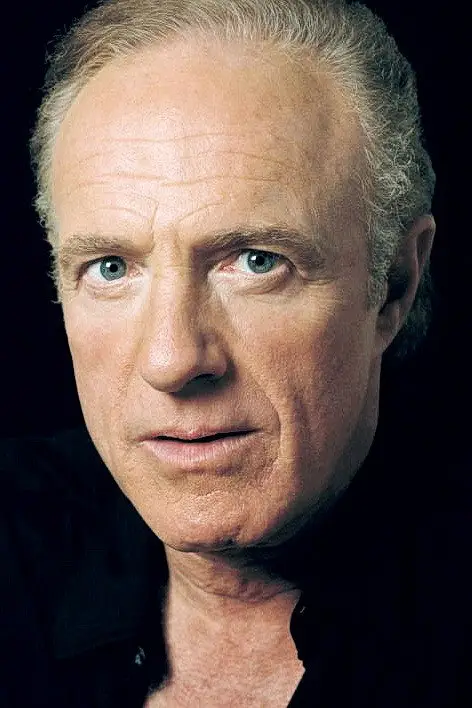

Details

Reviews
Wuchak
**_Coppola's mundane and melancholy late ’60’s arthouse road movie_** A 30-ish wife on Long Island (Shirley Knight) needs to just get away and so enters her station wagon and drives west. To where? She doesn’t know, but she picks up an ex-college football player (James Caan) before meeting a motorcycle cop (Robert Duvall). “The Rain People” (1969) was made three years before Francis Ford Coppola became famous with “The Godfather.” It was his first movie in which he had total creative control, writing and directing on the road without producers breathing down his neck. The story was inspired by Francis’ mother curiously leaving home for a few days when he was a kid. It’s about a woman’s haphazard search for freedom from the manacles of domestic life. Unlike the domineering male protagonists of “Patton” (which he wrote), the Corleone patriarchs and Kurtz in “Apocalypse Now,” Coppola shows us here several females manipulating men: Natalie with Kilgannon, Gordon and even Vinny; Ellen with Kilgannon and her father; and Rosalie with her dad. Interestingly, it's the express opposite of Francis’ previous movie, the fun “Finian’s Rainbow,” which was based on the 1947 Broadway hit. One is an energetic musical with a large cast while this has an everyday, depressing tone, made with a small cast & crew. While neither were successful at the box office, they both went on to garner cult followings after Coppola’s great success in the 1970s-90s (of course he had a few movies that didn’t do so well, but what else is new?). I can see where many viewers would find “The Rain People” dull, but it features a daring premise and has historical significance, not to mention some notable cast members. Plus, it’s a quality period piece for the late ’60s. In regards to the commendable premise, Natalie loves her husband, but is uncertain about the responsibility of having his child and so instinctively flees the scene. Ironically, Killgannon becomes her surrogate ‘child’ on her road odyssey wherein she struggles with her obligations. Concerning the ‘historical significance,’ the industry proudly cites “Stand Up and Be Counted” as the first flick to address women’s liberation, which it overtly does. But this came out three years prior and few people noticed at the time because it’s so covert. It was ahead of its time. Francis originally intended to include a scene at the end to clear up what Natalie decides to do from there, but it wasn’t needed because everything is explained in her monologue. Listen. It runs 1 hour, 41 minutes, and was shot over the course of five months in several American states with a 10-person crew (along with a smattering of locals). The locations include: Garden City (opening shot), Manhattan (Lincoln Tunnel) & Hofstra University, New York; the Pennsylvania Interstate; Harrisonburg, Virginia (restaurant scene); Clarksburg (the drive-in theater) & Weston, West Virginia; Chattanooga, Tennessee (the parade); Brule (the burning house) & Ogallala (the reptile ranch), Nebraska; and other places for exterior shots. GRADE: B/B-
All Trailers

The Rain People FAQs
The directors of The Rain People are Eleanor Coppola, Francis Ford Coppola, Richard C. Bennett, and Jack Cunningham.
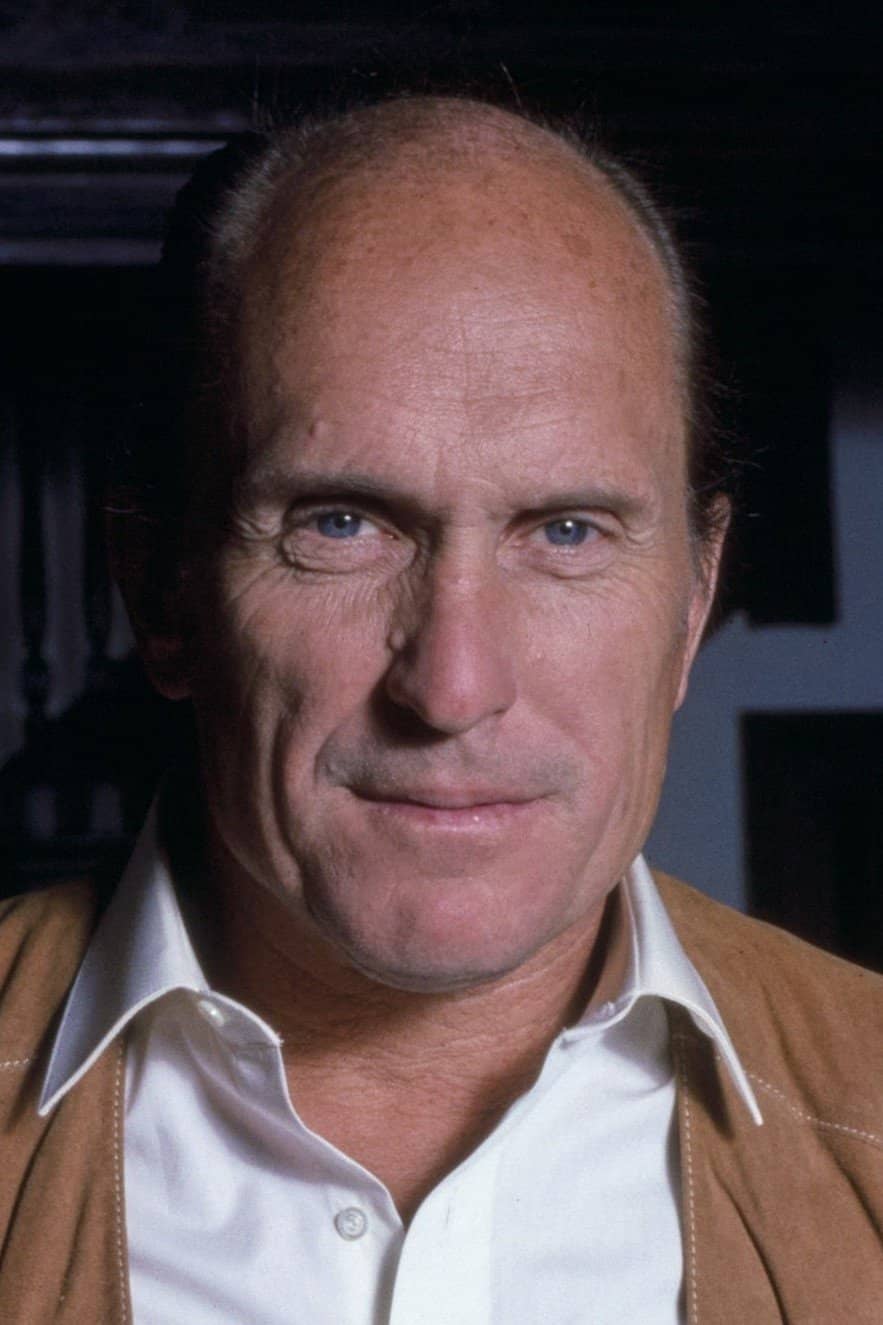
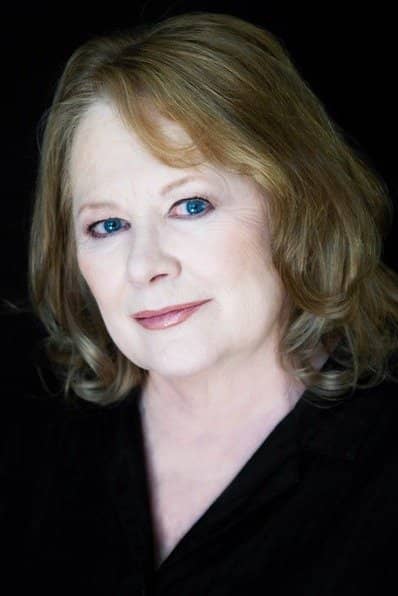
The cast of The Rain People includes Robert Duvall as Gordon, Garrett Cassell as Farmer (uncredited), Alan Manson as Lou, Shirley Knight as Natalie Ravenna, Tom Aldredge as Mr. Alfred, Robert Modica as Vinny Ravenna, James Caan as Jimmy Kilgannon, Andrew Duncan as Artie, Sally Gracie as Beth, Margaret Fairchild as Marion, Marya Zimmet as Rosalie, and Laurie Crews as Ellen.
The duration of The Rain People is 1h 41 mins.
Yes. You can watch the The Rain People trailer on this Fanbiz page on Fanziz.
The Rain People was released on 27 Aug 1969.
The Rain People is listed under Drama on Fanbiz.
The Rain People has 1 review on Fanziz, with an average rating of 7.0/10. One reviewer wrote: "**_Coppola's mundane and melancholy late ’60’s arthouse road movie_** A 30-ish wife on Long Island (Shirley Knight) needs to just get away and so enters her station wagon and..."
