

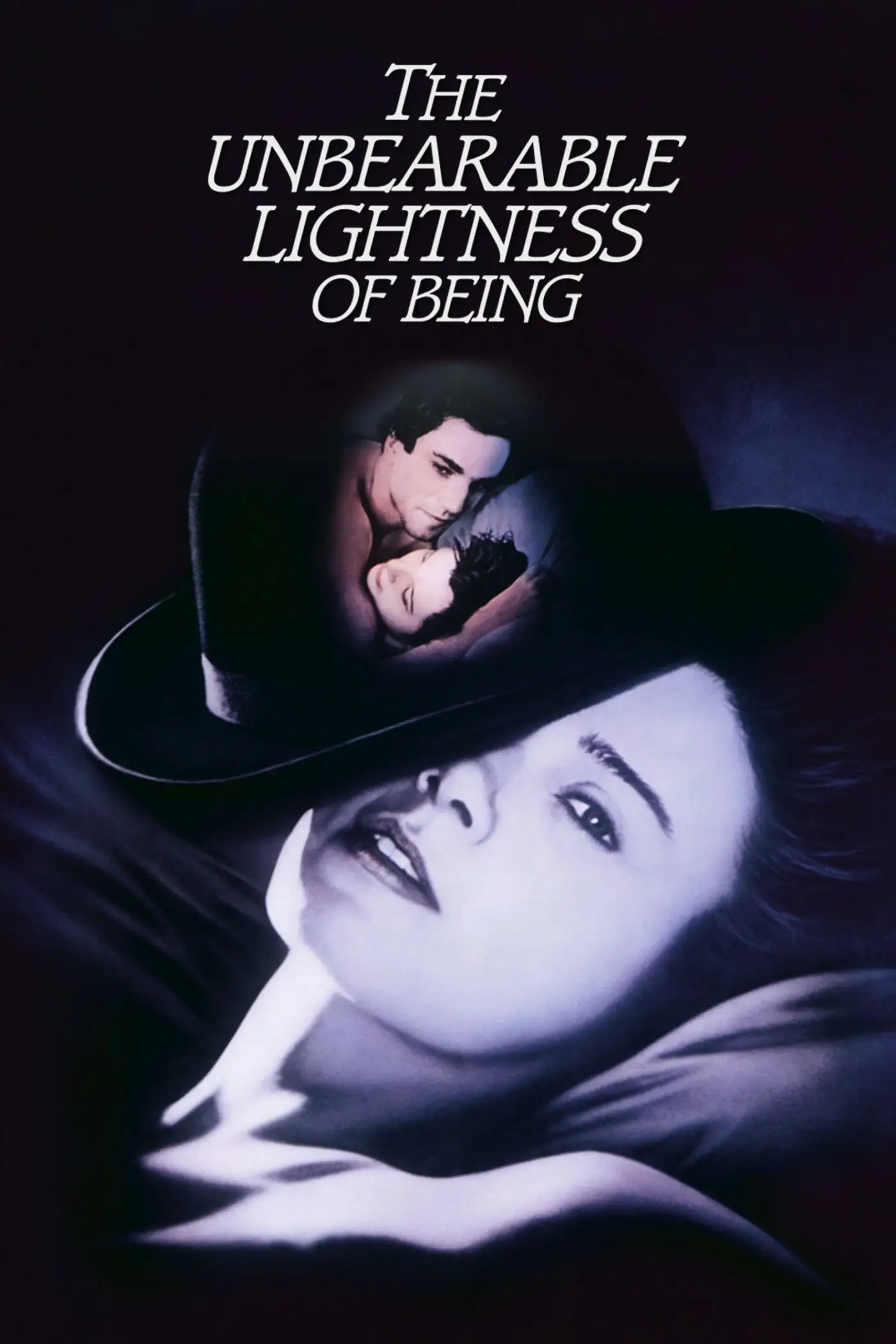
The Unbearable Lightness of Being
Successful surgeon Tomas leaves Prague for an operation, meets a young photographer named Tereza, and brings her back with him. Tereza learns that Tomas is already involved with the bohemian Sabina, but when the Soviet invasion occurs, all three flee to Switzerland. Sabina begins an affair, Tomas continues his pattern of womanizing, and Tereza, disgusted, returns to Czechoslovakia. Realizing his mistake, Tomas decides to chase after her.
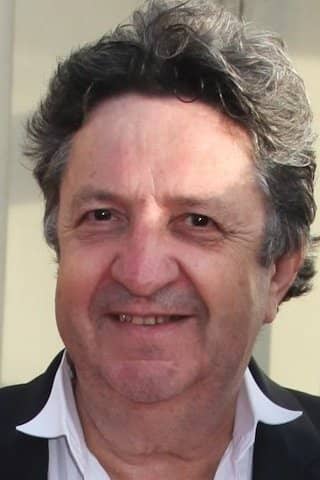
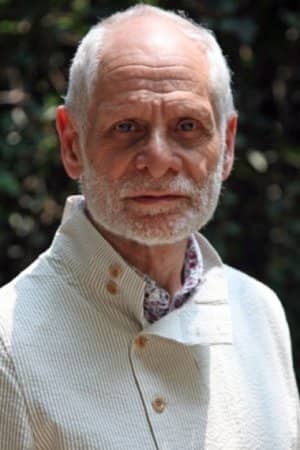
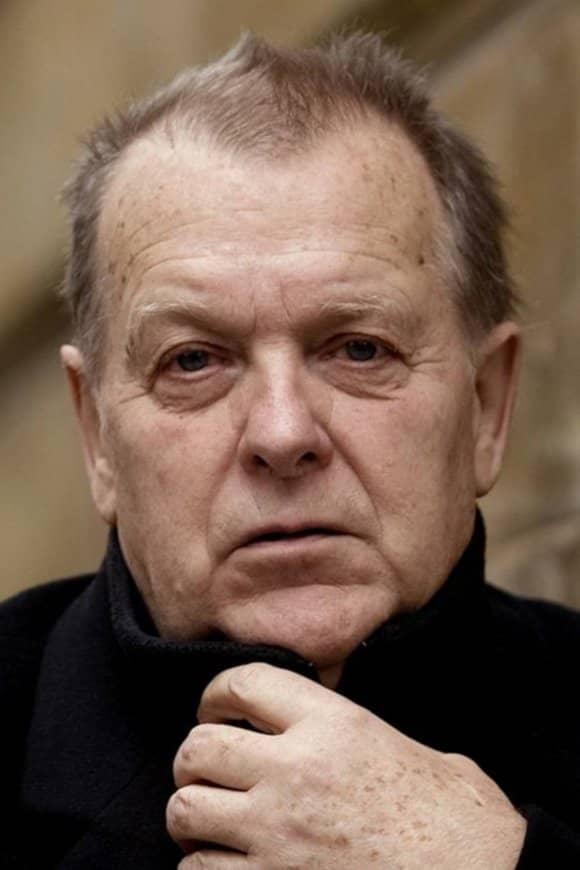
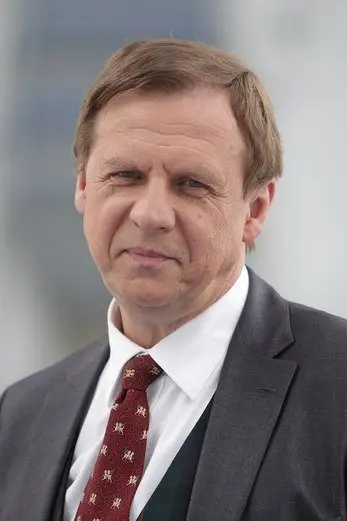
Director(s)
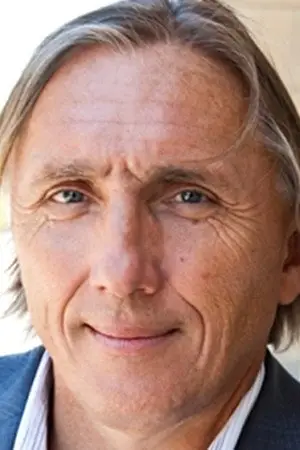
Jan Němec
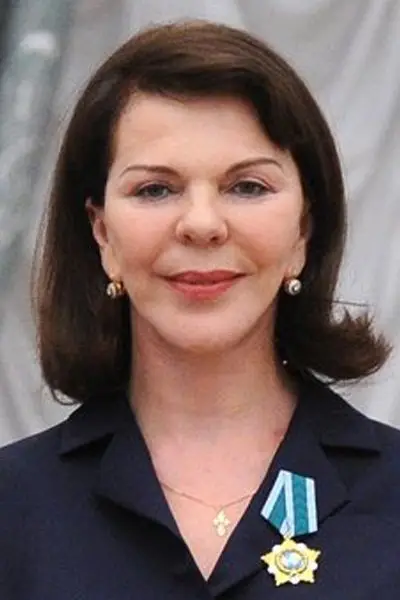
Olga Baïdar-Poliakoff
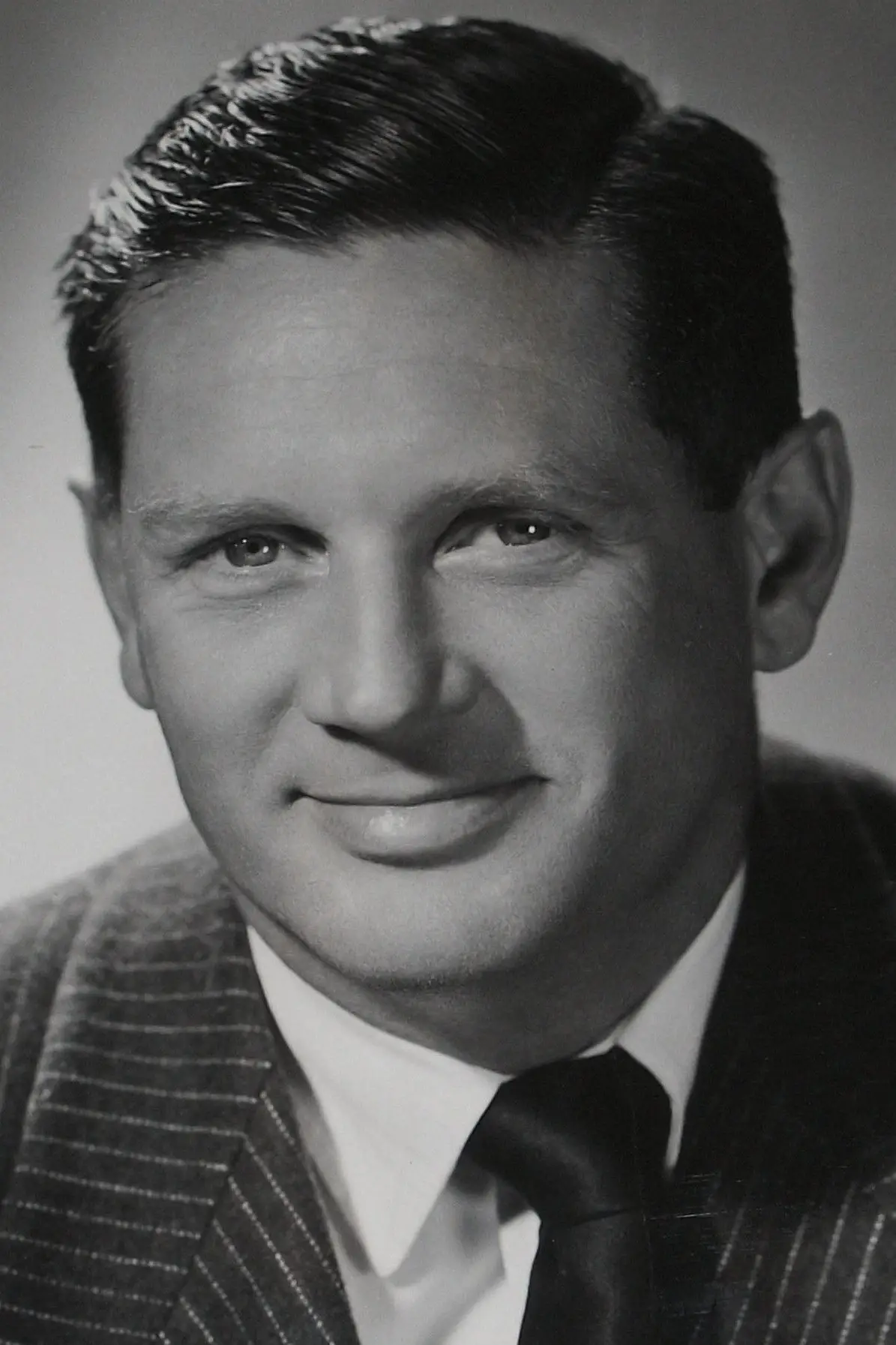
Philip Kaufman
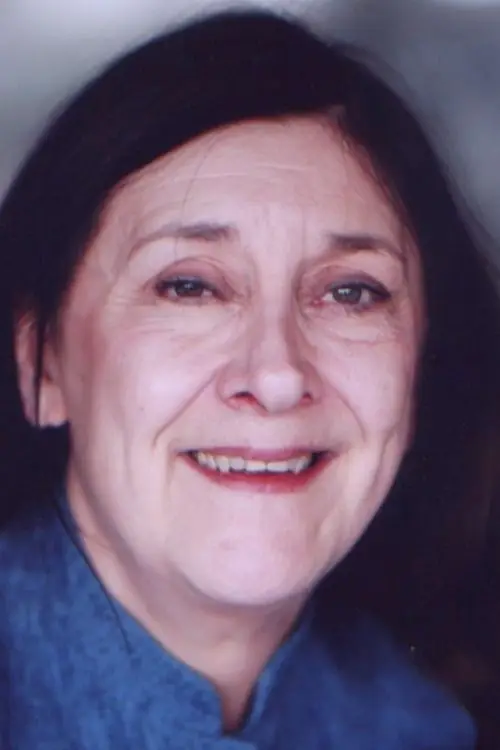
Simon Brook
Robert Kechichian
Charles Paviot
Cast & Crew


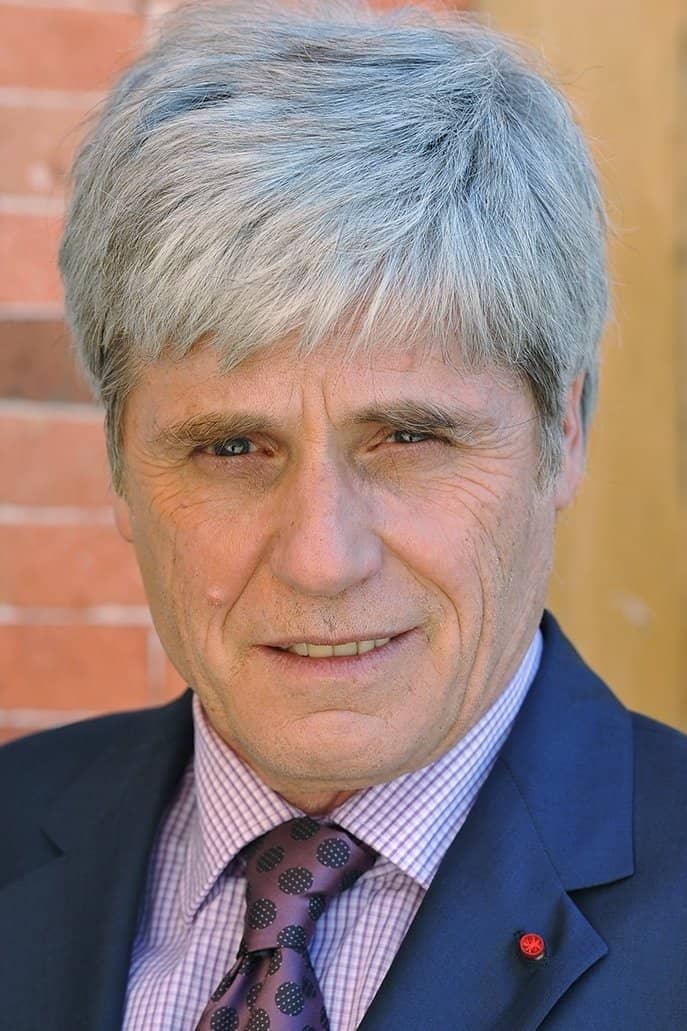
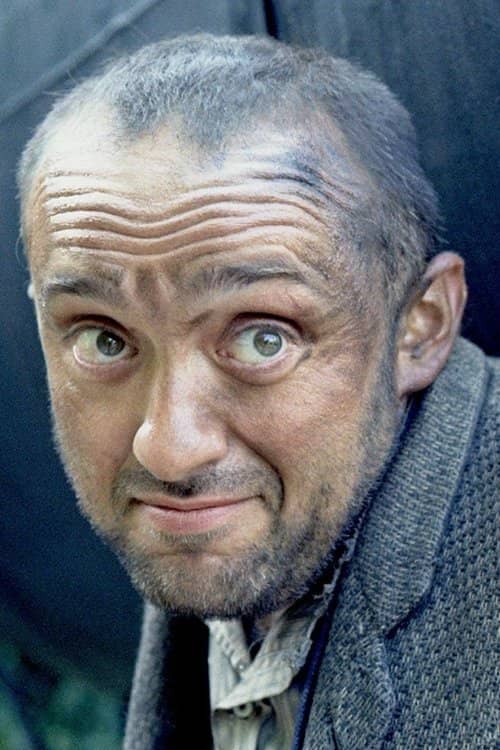
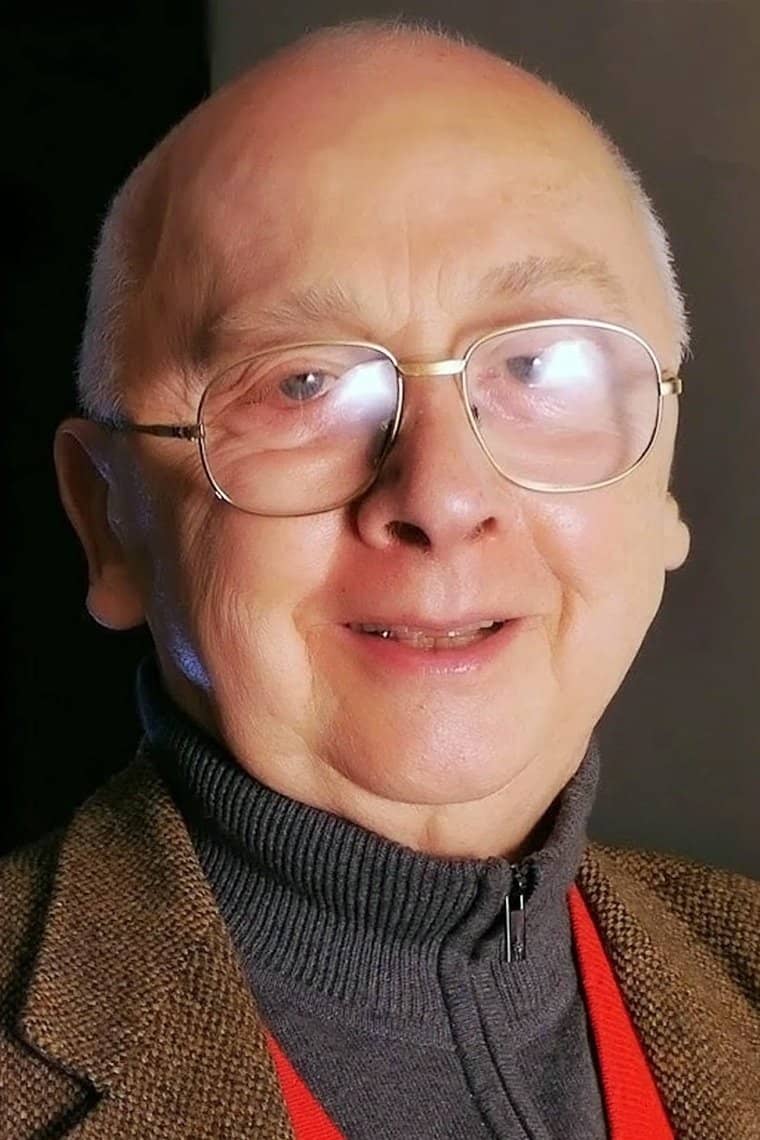
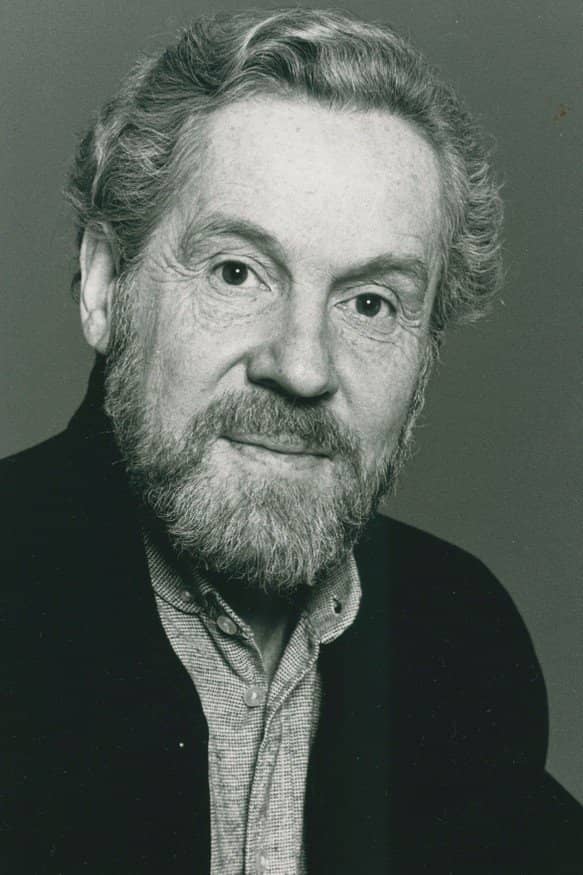


Details

Reviews
Filipe Manuel Neto
**The Unbearable lightness of Sex.** When the recently deceased Milan Kundera published “The Unbearable Lightness of Being” he probably knew that the book would be both loved and hated. Based on the philosophies of Friedrich Nietzsche, it outlines a story full of eroticism between four characters amid the turmoil resulting from the Prague Spring in 1968, and the “years of lead” that followed. What this film did was adapt the novel to the cinema, with some changes and focusing attention on the two central characters. I read the book many years ago and didn't like it. In the book, the author exposes philosophical positions taken from Nietzsche's ideas and where he privileges sex and the search for pleasure while relativizing and diminishing love. No idea could be more different from my thinking. After all, what could be more fleeting than an orgasm? In a subtle way, the book ends up proving me right: the characters live very troubled lives until the moment they find the serenity that stable feelings, such as love and friendship, can bring to each person's life. From this short review, you can already tell that I didn't like the film. I still decided to watch it due to the amount of positive opinions I heard and the presence of some big names in cinema. Directed by Philip Kaufman, the film was made almost immediately after the book was published, but the adaptation is quite weak. The film essentially focuses on one thing: sex. I shouldn't be exaggerating if I say that we can't watch thirty minutes of film without see a naked woman or a couple in the act, and the film is almost three hours long. It was something that had to be part of the film, given the content of the book, but I think there was an exaggeration on the part of the producers and screenwriters. Nudity is very present, bluntly, from all angles, which makes the film heavier. With so much attention to sordid details, the rich characterization of Kundera's characters got lost somewhere: Tereza couldn't seem more confused and Tomás was transformed into a debauched maniac who can't see a woman in front of him and can't respect his wife. What about the book's political plot, in which Kundera exposes his aversion to his country's regime? The film tells us very little. The images of the Prague Spring are striking, in large part due to the superb cinematography and the way they combined archival footage with the film, and we have the feeling, from then on, that the authorities' control is suffocating, but no much more is told or revealed to us. Again, the attention is focused on nudity and sex, not on what matters in the book. On a positive note, we must highlight the performance of the cast, led by Daniel Day-Lewis and Juliette Binoche. Day-Lewis is undeniably a great actor and has immense talent, and the only thing that stops us from appreciating his performance more is the disgust for his character. Binoche, I confess, has already seemed much more interesting to me in other characters and works, but she also has enough space to shine. They also have the support of Lena Olin, Derek de Lint, and we can also count on the special participation of Stellan Skarsgård. On a technical level, in addition to the exquisite cinematography that I have already mentioned, we also have the excellent recreation of the period, palpable in all the props, sets and costumes and an excellent soundtrack.
All Trailers

The Unbearable Lightness of Being FAQs
The directors of The Unbearable Lightness of Being are Jan Němec, Olga Baïdar-Poliakoff, Philip Kaufman, Simon Brook, Robert Kechichian, and Charles Paviot.
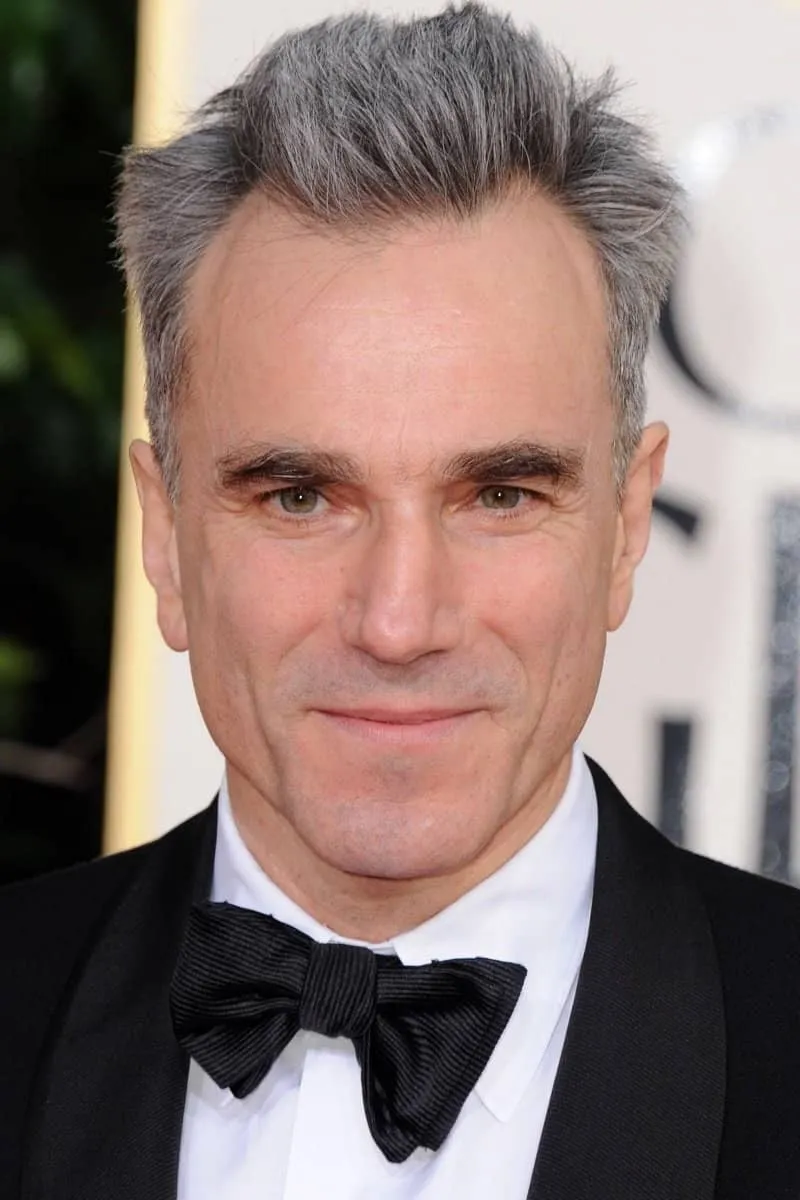
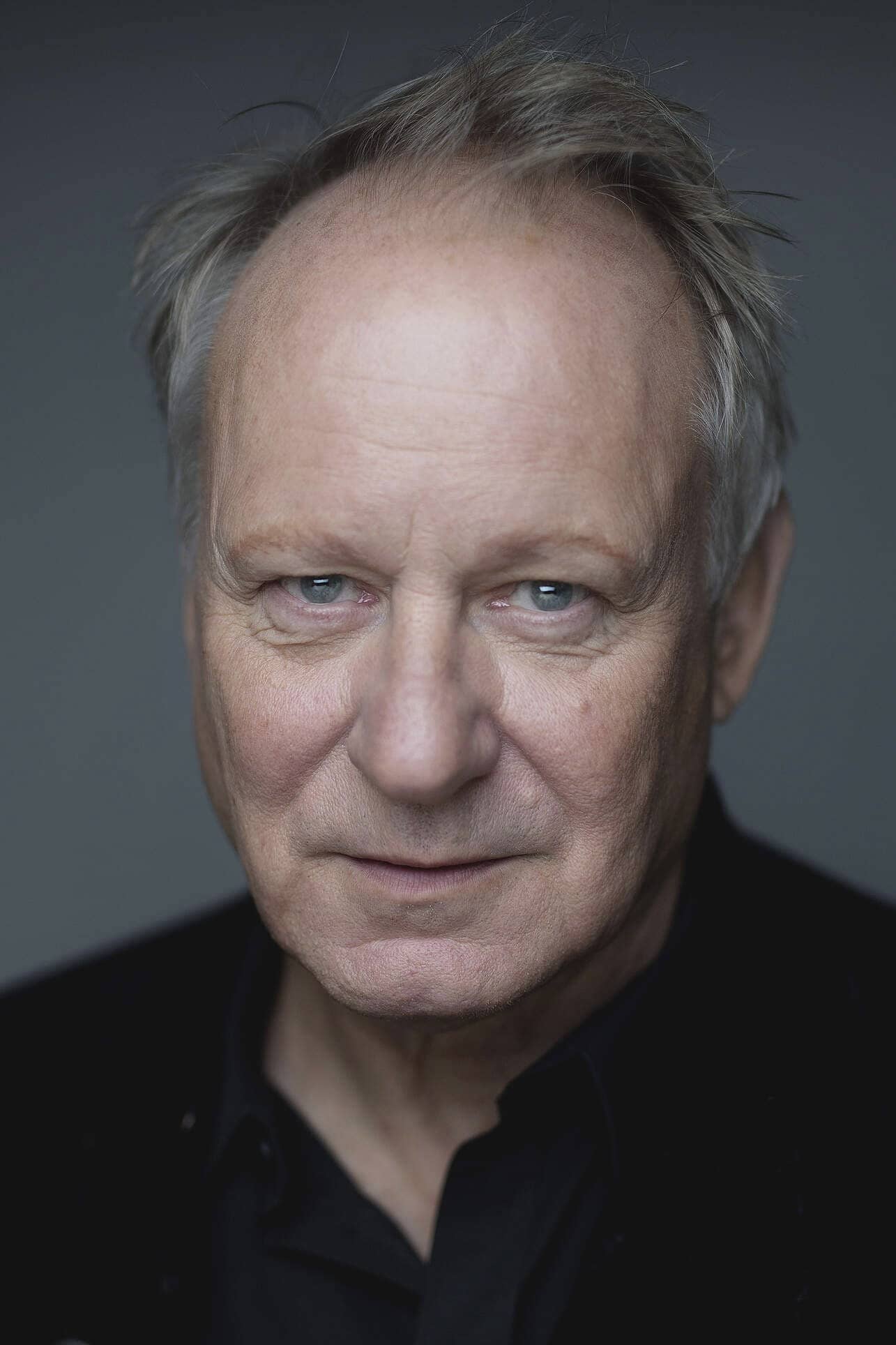
The cast of The Unbearable Lightness of Being includes Daniel Day-Lewis as Tomas, Anne Lonnberg as Swiss Photographer, Stellan Skarsgård as The Engineer, Lena Olin as Sabina, Daniel Olbrychski as Interior Ministry Official, Derek de Lint as Franz, Juliette Binoche as Tereza, Vladimír Valenta as Mayor, Pavel Landovský as Pavel, Charles Millot as Lecturer in Geneva, Donald Moffat as Chief Surgeon, Jean-Claude Dauphin as Swiss editor, and more.
The duration of The Unbearable Lightness of Being is 2h 51 mins.
Yes. You can watch the The Unbearable Lightness of Being trailer on this Fanbiz page on Fanziz.
The Unbearable Lightness of Being was released on 05 Feb 1988.
The Unbearable Lightness of Being is listed under Drama and Romance on Fanbiz.
The Unbearable Lightness of Being has 1 review on Fanziz, with an average rating of 4.0/10. One reviewer wrote: "**The Unbearable lightness of Sex.** When the recently deceased Milan Kundera published “The Unbearable Lightness of Being” he probably knew that the book would be both loved..."
