

FanzizFanziz
App
Politics

2nd Circuit Revives Trump's Hush Money Case, Challenging Manhattan DA

The 2nd U.S. Circuit Court of Appeals has revived President Donald Trump’s bid to move his New York hush money case from state to federal court, citing errors in a prior denial by a lower court judge.
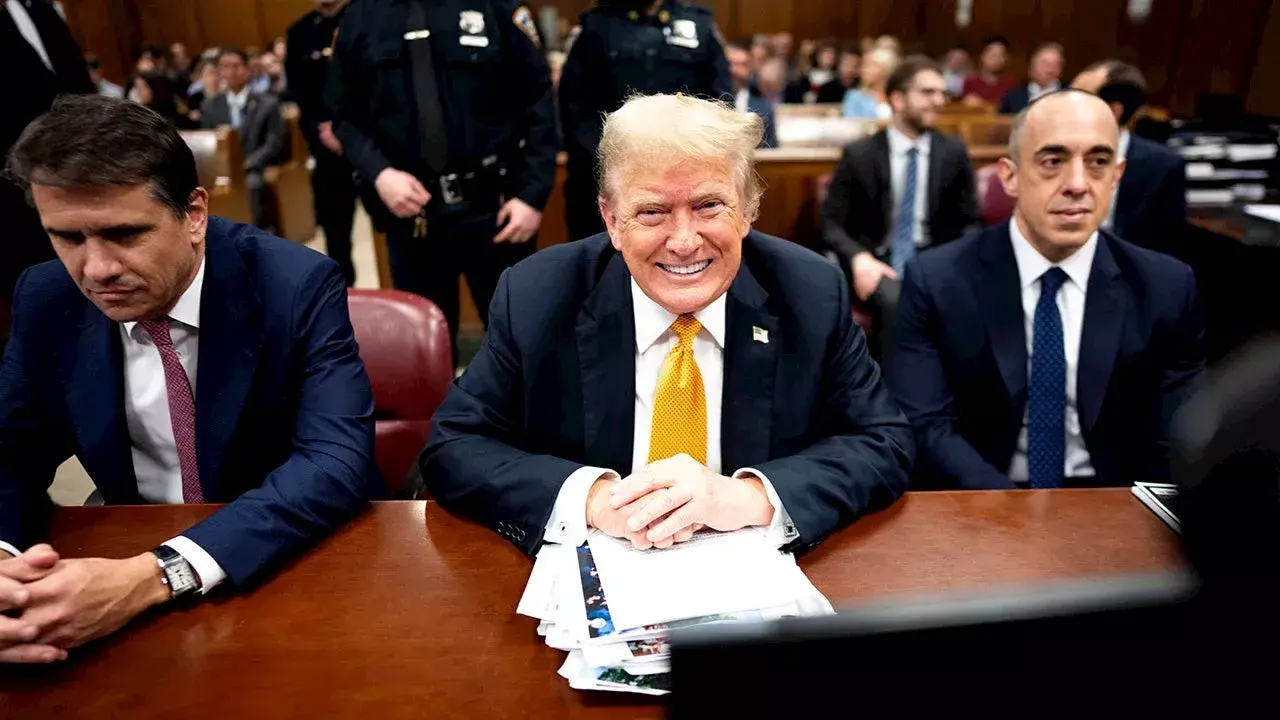

By Rohan DesaiPublished 2 Min Read
2nd Circuit Revives Trump's Hush Money Case, Challenging Manhattan DA
Advertisement

Full story

Appellate Court Overturns Lower Ruling on Venue Transfer

The 2nd U.S. Circuit Court of Appeals has ruled that an August decision by the late U.S. District Judge Alvin Hellerstein, which denied President Donald Trump's second bid to transfer his New York hush money case, was improper. The appellate court's decision breathes new life into Trump's effort to move the proceedings from state court to federal court. The 2nd Circuit cited specific errors in the prior denial of the transfer request. This ruling challenges the position of the Manhattan District Attorney's office, which had opposed the move to a federal venue for the criminal case centered on Trump's reimbursement of his then-attorney Michael Cohen.

Details of the Underlying Criminal Case

The legal battle stems from a criminal case involving payments made shortly before the 2016 presidential election. The case centers on Trump's reimbursement of Michael Cohen, who paid adult film actress Stormy Daniels $130,000 to keep her from publicizing an alleged sexual encounter with Trump that occurred a decade earlier. Trump was convicted in this case. At his sentencing in January 2025, which took place days before his second inauguration, he received an unconditional discharge. The sentence left him with no prison time or fine, although the felony conviction remains on his record.

Legal Arguments and Political Context

Attorney General Todd Blanche has been a central figure in arguing for Trump's legal interests. In comments made on "Hang Out with Sean Hannity," Blanche stated that Trump evaded prison time specifically because he won the 2024 presidential election. Blanche further asserted that Trump could have gone to prison had he not won the election in 2024. These statements highlight the intersection of the ongoing legal proceedings and the political timeline surrounding Trump's return to the White House. The appellate court's decision to revive the transfer bid marks a significant procedural development in the case. It requires lower courts to re-evaluate the venue question in light of the 2nd Circuit's findings regarding the previous denial.