

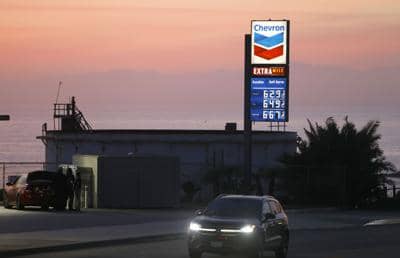

Gas Tax Holiday: A Political Response to Surging Prices
As the United States grapples with surging gasoline prices, government attention has increasingly turned to a fiscal measure characterized as perennially popular: a gas tax holiday. This proposal aims to ease the financial pressure on household budgets by temporarily reducing the cost of gasoline. While often viewed as a favorable political move, the economic implications of such a holiday are frequently described by critics as unsound, or even a "fiscal scam." The current discussion unfolds against a backdrop of complex global energy dynamics, including geopolitical factors such as ongoing negotiations between the U.S. and Iran concerning an agreement to reopen the Strait of Hormuz, which can influence global oil supply and pricing.
The Political Appeal
From a political standpoint, a gas tax holiday offers immediate, tangible relief to consumers at the pump. The direct reduction in price per gallon is easily understood by the public and can be presented as a proactive step by policymakers to address a pressing economic concern. High gasoline prices often lead to public dissatisfaction, and elected officials may see a gas tax holiday as a visible and popular response to demonstrate their commitment to alleviating financial burdens on constituents. The measure can be implemented relatively quickly, providing an immediate, albeit temporary, benefit that resonates directly with voters experiencing increased costs in their daily lives. This perceived responsiveness can enhance political favorability, particularly during periods of economic strain or ahead of elections.
Economic Concerns and Criticisms
Despite its political attractiveness, a gas tax holiday faces substantial criticism from an economic perspective. Economists and fiscal analysts frequently highlight several potential drawbacks:
- Impact on Government Revenue: Both federal and state gasoline taxes are primary funding sources for infrastructure projects, including road maintenance, bridge repairs, and public transportation initiatives. A gas tax holiday would temporarily deplete these funds, potentially delaying critical infrastructure work or requiring alternative funding sources, which could lead to budget shortfalls in other areas.
- Uncertainty of Savings Passed to Consumers: A key economic concern is that the full benefit of a tax reduction may not be entirely passed on to consumers. Retail gasoline prices are influenced by various factors beyond taxes, including crude oil costs, refining margins, distribution expenses, and local market competition. There is a risk that gas stations or distributors could absorb a portion of the tax savings, leading to only a partial reduction in pump prices for consumers. This incomplete pass-through diminishes the intended relief for households.
- Potential for Increased Demand and Prices: Lower gasoline prices, even if temporary, can stimulate demand. If consumers perceive gasoline to be cheaper, they might increase their driving, which could lead to higher overall consumption. In a market where supply is already constrained, an increase in demand without a corresponding increase in supply could exert upward pressure on prices, potentially negating some of the tax holiday's benefits and contributing to inflation in the long run.
- Temporary Nature and Price Volatility: A gas tax holiday is by definition a temporary measure. Once the holiday expires, gasoline prices are expected to revert to their previous levels, or potentially even higher if demand has been artificially stimulated. This creates a temporary reprieve followed by a potential abrupt return to higher prices, which can lead to price volatility and uncertainty for consumers and businesses.
- Inefficiency as a Targeted Relief Measure: Critics argue that a gas tax holiday is not a well-targeted form of relief. It benefits all drivers, regardless of income, and may disproportionately benefit those who drive more or own less fuel-efficient vehicles. More targeted relief measures, such as direct payments or subsidies to low-income households, might be considered more economically efficient in addressing financial hardship.
Context of Surging Gas Prices
The current discussion around a gas tax holiday is directly linked to a period of elevated gasoline prices. These prices are influenced by a confluence of factors, including global crude oil supply and demand dynamics, refining capacity, and geopolitical events. For instance, the situation surrounding the Strait of Hormuz, a critical chokepoint for global oil shipments, significantly impacts international oil markets. Any perceived threat to the flow of oil through this strait, or discussions about agreements that could alter its status, can introduce volatility and upward pressure on crude oil prices, which in turn affects gasoline costs. Other factors, such as global economic recovery, production decisions by major oil-producing nations, and supply chain disruptions, also contribute to the complex pricing environment that governments are attempting to address.
Federal and State Gasoline Taxes
In the United States, gasoline is subject to both federal and state excise taxes. The federal gasoline tax is a fixed per-gallon rate, primarily dedicated to the Highway Trust Fund, which finances federal transportation infrastructure projects. State gasoline taxes vary significantly by state and are also typically earmarked for state-level infrastructure and transportation initiatives. A gas tax holiday could involve the suspension of either federal taxes, state taxes, or both, each with different implications for revenue loss and potential consumer savings. The decision to implement such a holiday, and at which governmental level, involves balancing the immediate desire for consumer relief against the long-term funding needs for essential public services and infrastructure maintenance.