

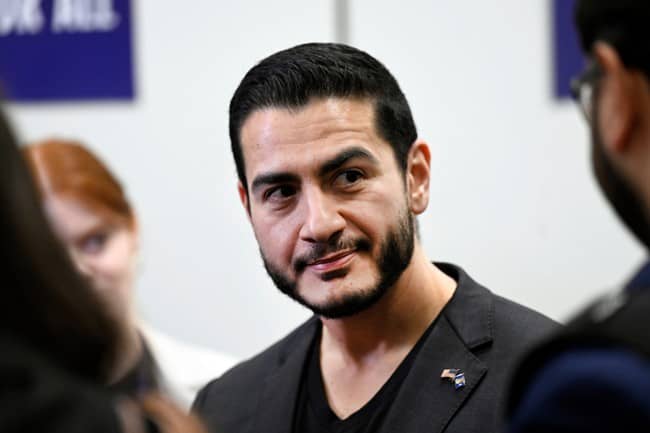

El-Sayed Signals Shift in Democratic Leadership Strategy
Michigan Democrat Abdul El-Sayed publicly announced his decision regarding the potential leadership structure of the Democratic Party ahead of upcoming elections. In a recent statement released on July 06, 2026, at approximately 12:30 PM Eastern Time, El-Sayed indicated he would not support Chuck Schumer for Senate majority leader if Democrats regain control of either chamber in November.
The announcement comes as the party formulates strategies to potentially remove Senator Schumer from his position. According to reports published by Townhall via Amy Curtis on July 6, 2026, El-Sayed's comments suggest a significant internal recalibration within the Democratic caucus regarding leadership priorities for the next legislative session.
El-Sayed is a member of the Senate representing Michigan in his capacity as a Democrat. His refusal to back Schumer marks a departure from traditional party loyalty structures often seen during election cycles involving leadership races. The statement was characterized by sources as a direct expression of personal political calculation rather than a formal caucus directive.
Democrats are currently making extensive plans for the November elections, which include scenarios where they might regain control of both the House and/or the Senate. Part of these strategic preparations reportedly involves evaluating leadership roles within their own party should an election victory occur. El-Sayed's specific stance on Schumer is one component of this broader planning effort.
The timing of El-Sayed's declaration aligns with heightened speculation about potential changes to Democratic hierarchy following a general election where the party seeks to expand its majority or secure control for the first time in several years. Analysts note that such declarations often precede more formalized discussions within party leadership committees regarding succession and retention strategies.
Context of Potential Leadership Changes
The potential removal of Chuck Schumer as Senate majority leader represents a significant shift if Democrats achieve their electoral goals for November 2026. This scenario would involve the Democratic caucus electing new leaders, potentially replacing the current New York Senator who has held leadership positions since at least January 2017.
El-Sayed's statement suggests that party members are actively considering alternatives to Schumer should they win control of the Senate. The Michigan Democrat's position indicates a willingness among some caucus members to evaluate other candidates for majority leader roles rather than automatically supporting the incumbent.
This development occurs against the backdrop of Democrats preparing comprehensive plans for November elections across multiple states. These preparations include ballot access strategies, campaign finance organization, and voter mobilization efforts designed to secure victories in key congressional districts and Senate seats nationwide.
According to sources citing El-Sayed's recent comments, party strategists are weighing various options for leadership positions that would emerge if Democrats regain control of the House or Senate. The potential ousting of Schumer is presented as one possible outcome within these strategic calculations rather than a guaranteed event.
Perspectives on Party Unity and Leadership
El-Sayed's decision to decline supporting Schumer reflects broader considerations about party unity and leadership selection processes within the Democratic caucus. The Michigan Senator has positioned himself as an independent thinker willing to express views that may differ from established party orthodoxy regarding internal elections.
The statement was delivered through a recent public communication channel, though specific details of El-Sayed's reasoning remain limited in available reporting. Sources indicate his position represents personal judgment rather than a coordinated caucus movement at this stage.
Democratic strategists are reportedly analyzing the implications of potential leadership changes as they finalize campaign plans for November 2026. The party faces decisions about how to present itself if electoral outcomes differ from current expectations regarding control of Congress.
No formal vote has occurred yet on removing Schumer or selecting a replacement should Democrats win elections in November. El-Sayed's comments serve as an early indicator of potential internal dynamics that could influence leadership selections within the Democratic caucus following election results.