

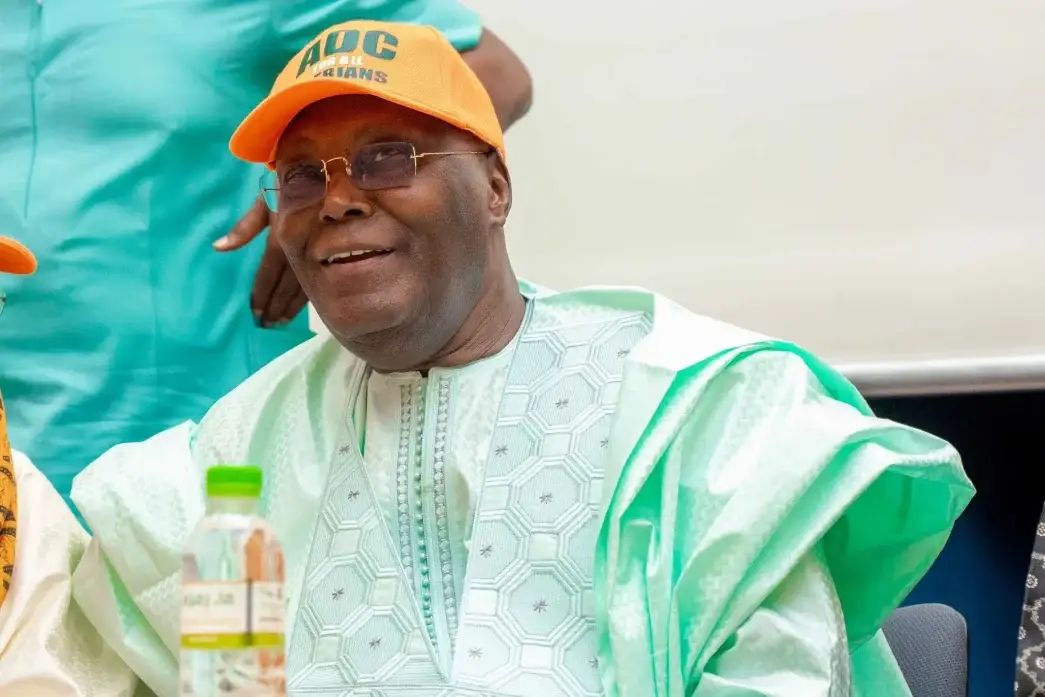

ADC Declares Independence From Opposition Alliances
The African Democratic Congress (ADC) has publicly stated that its presidential candidate, Atiku Abubakar, does not require a coalition to defeat the ruling All Progressives Congress (APC) in the 2027 general elections. This definitive assertion was made by Bolaji Abdullahi, the party’s National Publicity Secretary, during an appearance on Channels Television’s Politics Today program on Friday. Abdullahi’s remarks underscore a significant strategic shift for the ADC as the nation gears up for the next electoral cycle.
Abdullahi emphasized that the ADC remains unequivocally confident in its capacity to contest the upcoming presidential poll independently. He described the party's stance as a direct response to the shifting dynamics within the Nigerian opposition landscape, noting that the collapse of a previously proposed coalition has not diminished the ADC’s prospects. Instead, the party views the evolving political environment as an opportunity to demonstrate its inherent strength and appeal to the electorate.
In a separate statement reported by Politics Nigeria, Abdullahi reiterated the party's position while appearing on Arise TV, leaving no room for ambiguity regarding their electoral strategy. He declared, "We don't need a coalition to win this election. The African Democratic Congress does not need a coalition to win this election." According to the ADC, the growing support for the party among Nigerians has significantly strengthened its confidence that it can secure victory without relying on alliances with other opposition groups. This belief in an expanding grassroots base forms the bedrock of their independent campaign strategy, aiming to directly appeal to voters rather than consolidating votes through political pacts.
Fragmentation of Proposed Opposition Coalition
The ADC's declaration of independence from alliance-seeking comes amid significant and fluid changes in the structure of opposition forces ahead of the 2027 polls. Bolaji Abdullahi noted that a proposed opposition coalition, which was initially intended to ease the task of defeating the incumbent All Progressives Congress, has seen key members depart, thereby fundamentally altering the political landscape and the initial calculus of opposition unity.
He explained that this coalition was originally conceived to facilitate a more straightforward defeat of the ruling party by presenting a united front. However, Abdullahi indicated that the initiative did not develop as expected, leading to its eventual fragmentation. According to the ADC National Publicity Secretary, some leading figures from the proposed coalition have since left to join the Nigeria Democratic Congress (NDC), a development that further complicates the opposition's path to 2027.
Specifically, Abdullahi pointed to the involvement of prominent political figures in this realignment, highlighting the significant impact of their movements. He stated that one of the coalition's leading figures has left for the NDC, with His Excellency Peter Obi and Rabiu Kwankwaso reportedly serving as his running mate. This reported formation within the NDC represents a substantial shift, as both Obi and Kwankwaso are recognized political heavyweights with considerable influence and support bases. The ADC confirmed its own position within the broader context of these shifts, stating, "We are part of the ADC," thereby affirming its distinct identity and independent trajectory amidst the ongoing realignments.
Political Landscape Shifts Ahead of 2027
The departure of key figures from the proposed opposition alliance has been cited by the ADC as a crucial factor that has fundamentally changed the nature of political competition leading up to the 2027 general elections. The initial vision for the coalition was to consolidate opposition votes and resources, presenting a formidable, unified challenge to the APC. However, its fragmentation has led the ADC to assert its individual strength, believing it can now navigate the electoral terrain effectively on its own.
President Bola Tinubu remains the incumbent president associated with the All Progressives Congress, which the ADC aims to unseat in the 2027 election. The current political environment, characterized by a fractured opposition, presents a complex challenge for all parties. While a united front is often seen as advantageous against an incumbent, the ADC's strategy now relies on its independent mobilization capabilities rather than a consolidated opposition front. This approach suggests a belief that a direct appeal to the electorate, unencumbered by coalition compromises, will be more effective in securing victory for Atiku Abubakar.
ADC Stance on Electoral Strategy
Bolaji Abdullahi clarified that while the proposed coalition was initially seen as a mechanism to make defeating the APC easier, it was never considered a prerequisite or a condition for the ADC’s victory. This distinction is central to the party's current electoral philosophy. The ADC maintains that its growing base of support among Nigerians is inherently sufficient to challenge the ruling party's dominance and secure a win in the presidential election.
The ADC's assertion marks a distinct strategic positioning ahead of the 2027 general elections. By declaring independence from coalition negotiations and the broader trend of opposition alliances, the party signals a clear focus on direct electoral competition. This strategy implies a robust internal campaign, emphasizing its own platform, candidate, and perceived popular appeal, rather than relying on the combined strength of disparate political entities. The party's confidence in its independent capacity suggests a belief that the electorate is increasingly receptive to alternatives that do not necessarily emerge from traditional political mergers or power-sharing arrangements, setting the stage for a potentially multi-faceted presidential race against the APC and other contenders.