

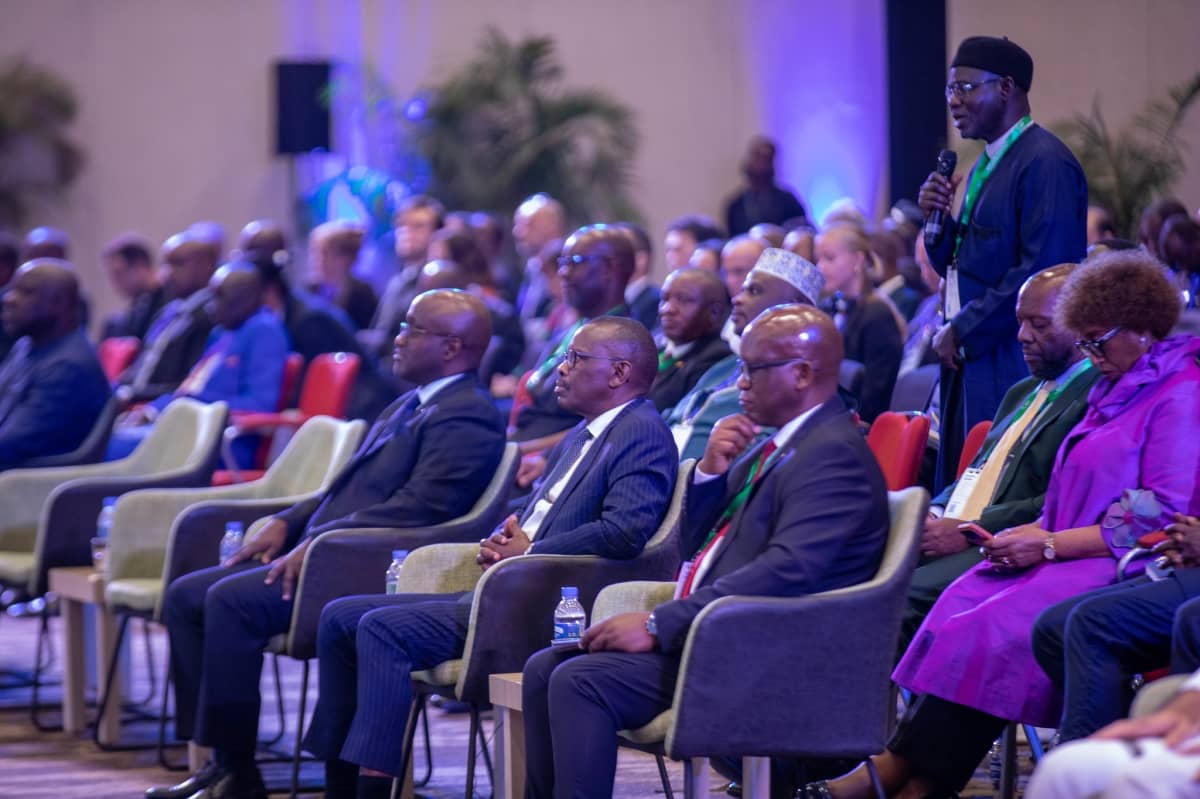

High-Level Security Discourse Shifts to Machine Warfare
The question of whether African nations are prepared for autonomous warfare is currently being debated at high-level security conferences across the continent. This discussion marks a profound departure from historical military assessments, which have long relied on conventional metrics of power. For centuries, the capacity of a nation to project force was measured primarily by the number of soldiers available, the quantity of weapons in inventory, and the ability to produce ammunition at scale. These traditional indicators formed the bedrock of military strategy and international power dynamics, shaping alliances and defense doctrines globally.
According to recent discussions, that equation is changing dramatically. The advent of autonomous combat systems is fundamentally altering the landscape of military capability, introducing new dimensions to national security and defense. Autonomous warfare represents a significant shift in how military power is defined and deployed, moving the focus from sheer human manpower and industrial output to advanced technological automation, sophisticated data processing, and complex algorithms that enable independent decision-making in certain operational contexts.
Ministers Convene in Kigali to Assess Strategic Gaps
The International Security Conference on Africa (ISCA) served as a primary venue for this critical debate, highlighting the continent's proactive engagement with emerging defense technologies. The High-Level Discussion opened in Kigali, Rwanda, on Wednesday, August 12. Officials and security experts gathered to address the multifaceted implications of these technological changes for regional stability, national defense strategies, and the future of conflict on the continent. The choice of Kigali as a host city underscores Rwanda's growing role in facilitating crucial dialogues on African security challenges.
Key Figures at the International Security Conference
The opening session featured several prominent government officials and security leaders, signaling the high priority placed on this topic by African leadership. Attendees included Olivier Nduhungirehe, the Minister of Foreign Affairs, whose presence highlighted the diplomatic and international policy dimensions of autonomous warfare, including potential arms control treaties and ethical considerations. Juvenal Marizamunda, the Defence Minister, focused on the operational readiness and strategic integration challenges for national armed forces. Also present was Amb Lt Gen (Rtd) Frank Mushyo Kamanzi, whose extensive military background offered valuable insights into the practicalities of adapting to new combat paradigms.
The Executive Director of ISCA also participated in the discussions alongside the ministers, emphasizing the conference's role in fostering expert-level dialogue and policy recommendations. The collective presence of these high-ranking officials indicates that the readiness for autonomous warfare is not merely a theoretical exercise but a pressing priority topic for African government leadership. The conference provided a vital platform for these leaders to examine how their respective nations can adapt to the evolving nature of modern conflict, considering both the opportunities and the profound challenges presented by autonomous systems.
Evolving Metrics of Military Power
The discourse at the conference highlights a fundamental change in military doctrine and strategic planning. Traditional measures of power, such as vast troop numbers and extensive ammunition production capabilities, are no longer considered sufficient or singularly indicative of military strength in an era increasingly dominated by autonomous systems. While human capital and conventional armaments remain crucial, their efficacy is now viewed through the lens of technological integration and advanced capabilities.
Autonomous combat systems are fundamentally redefining what constitutes effective military power. This shift implies that future security assessments must account for a new array of critical factors: robust technological infrastructure, advanced data processing capabilities, and sophisticated automated decision-making processes. These elements are becoming as, if not more, vital than solely focusing on personnel counts, traditional logistical production lines, or the sheer volume of conventional weaponry. The ability to leverage artificial intelligence and machine learning for reconnaissance, targeting, and defense is rapidly becoming a determinant of military superiority.
Implications for Regional Security and Adaptation
The discussion in Kigali underscores the urgency of this technological transition for African nations. As autonomous technology becomes more prevalent globally, African nations face the complex challenge of integrating these sophisticated systems into their existing defense frameworks. This integration is not merely a matter of procurement but involves significant investment in specialized training, research and development, and the establishment of secure digital infrastructure capable of supporting such advanced operations.
The debate is not merely theoretical; it is a practical assessment of whether current military structures, often built on conventional models, can effectively support and sustain autonomous warfare capabilities. This involves evaluating national capacities for cybersecurity, data governance, ethical guidelines for autonomous weapon use, and the development of a skilled workforce capable of operating and maintaining these complex systems. The potential for a widening technological gap between nations that embrace and invest in autonomous capabilities and those that lag behind poses significant implications for regional power balances and collective security.
The International Security Conference on Africa continues to serve as a focal point for these strategic evaluations. By bringing together foreign affairs and defense ministers, the conference facilitates direct dialogue on the operational and policy challenges associated with this technological shift. It provides a crucial forum for African leaders to collaboratively strategize on how to navigate the complex landscape of autonomous warfare, ensuring that the continent is prepared for the security challenges and opportunities of the 21st century.