


AKTOR and ONEX Alliance Targets Elefsina Port for Energy Hub Development
AKTOR Group and ONEX Group have announced a strategic alliance to submit a joint bid for the commercial concession of Elefsina Port. The alliance's stated objective is to transform Elefsina Port into a regional transport and Liquefied Natural Gas (LNG) hub, aiming to enhance energy security and reduce reliance on existing supply routes.
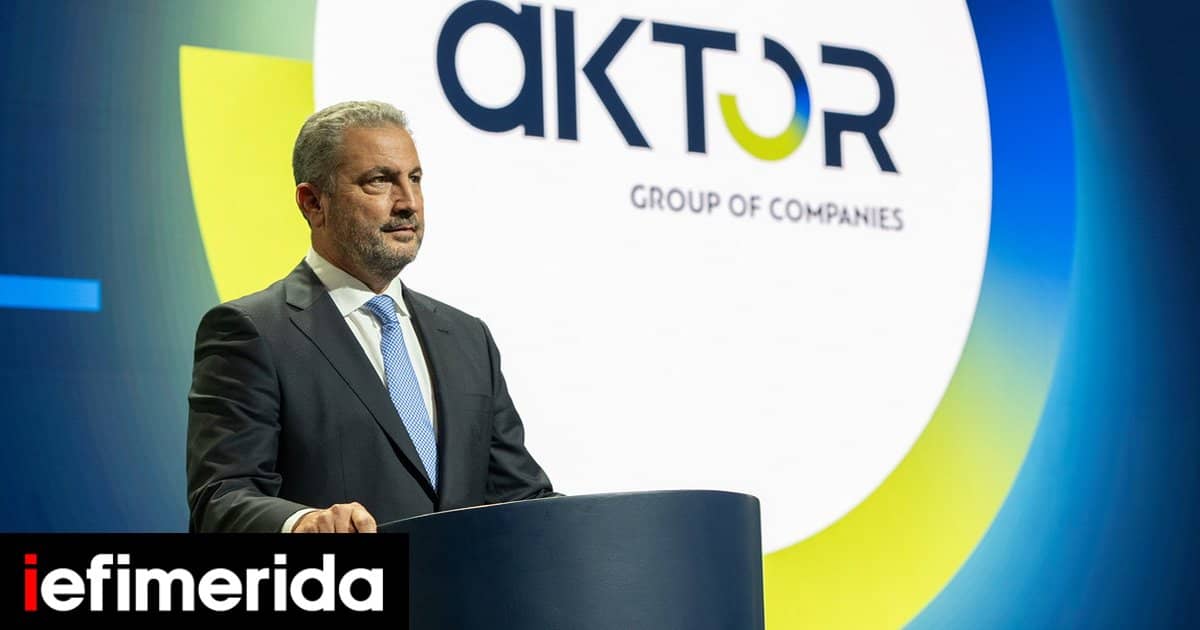
The announcement was made on Monday at the Blue Strategy Summit 2026, where Alexandros Exarchou, chairman and CEO of AKTOR Group and head of Atlantic SEE LNG Trade, appeared alongside Panos Xenokostas, chairman of ONEX Group. The two leaders outlined their vision for the port's future, emphasizing its potential role in the broader geopolitical landscape.
Strategic Vision and Geopolitical Context
Mr. Exarchou highlighted the necessity for Greece to diversify its port infrastructure beyond Piraeus, the country’s primary port. He attributed this need to evolving geopolitical dynamics, specifically citing the ongoing conflict in Ukraine and heightened tensions in the Middle East. These developments, according to Mr. Exarchou, underscore the urgency for new strategic energy and logistics pathways in the region.
The proposed transformation of Elefsina Port is positioned as a critical component in strengthening regional energy resilience. By establishing a new LNG hub, the project aims to provide alternative energy supply routes, thereby contributing to the energy independence of Southeast European nations.
Elefsina's Suitability and Project Scope
Elefsina Port was identified as particularly suitable for this initiative due to its existing road links and available space. These attributes, Mr. Exarchou stated, make it well-suited to serve as a logistics base for Southeast Europe’s Vertical Energy Corridor. This corridor is envisioned as a crucial artery for energy distribution across the Balkans and beyond.
Under the proposed plan, responsibilities within the alliance would be divided to leverage each group's expertise. AKTOR Group would be responsible for the development and management of construction and logistics infrastructure at the port. ONEX Group, conversely, would oversee maritime operations, including port management, vessel handling, and related services.
LNG Hub and Regional Distribution
A central element of the proposal is the establishment of Elefsina as a major LNG distribution point. The project is supported by long-term contracts already in place with Albania and Bosnia-Herzegovina, which aim to facilitate the distribution of U.S. LNG across the Balkan region. This aspect of the plan directly addresses the objective of diversifying energy sources and reducing reliance on traditional suppliers.
Mr. Exarchou indicated that additional memorandums of understanding with other regional buyers are currently under negotiation. These agreements are anticipated to be converted into binding contracts by the summer, further solidifying the project's regional reach and impact on energy supply chains.
Financial and International Backing
The concession model proposed for Elefsina Port is expected to attract significant bank financing. The partners stated that the predictable revenue streams inherent in such a model would make the project an appealing prospect for financial institutions. This financial strategy aims to ensure the long-term viability and sustainability of the port's development.
Further bolstering the bid, the project has secured backing from the U.S. International Development Finance Corporation. This support underscores the international interest in the initiative and its alignment with broader strategic objectives.
Broader Geopolitical Implications
The AKTOR-ONEX bid for Elefsina Port is being positioned as part of a wider international effort to establish alternative Western trade routes. This includes initiatives such as the India-Middle East-Europe Corridor, which seeks to enhance connectivity and trade flows between these key regions. The Elefsina project aims to contribute to this larger network by providing a vital gateway in Southeast Europe.
Additionally, the alliance's proposal is framed as a strategic move to counter the influence of Chinese-linked infrastructure projects in the region. By developing Western-backed infrastructure, the initiative seeks to promote diverse partnerships and supply chains.
The companies did not provide a timeline for when the concession process for Elefsina Port could be completed.